
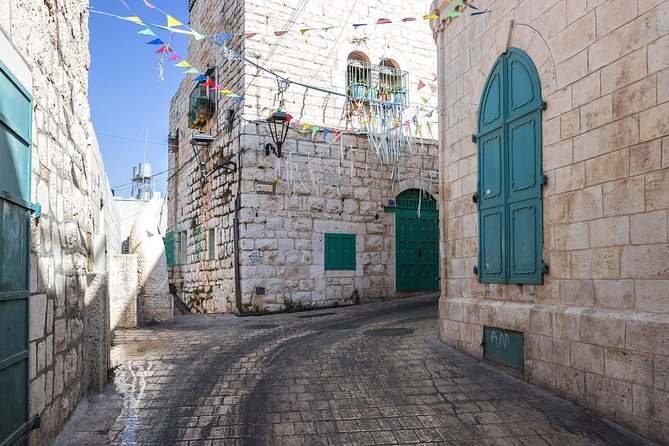
Review · BETHLEHEM & JERICHO DAY TRIPS
Full-Day Trip of Jerusalem and Bethlehem
Holy places, one long day. This eight-hour trip from Tel Aviv gives you a fast first look at Jerusalem and Bethlehem, two destinations that can easily fill several days on their own. I like the sweeping view from the Mount of Olives and the chance to walk through the Old City rather than simply see it from a bus.
I also like that the route covers major Jewish and Christian sites in one outing, including the Western Wall, Via Dolorosa, Church of the Holy Sepulchre, and Church of the Nativity. The main caution is the group size and pace: the tour may include as many as 55 people, and crowded streets can make it hard to hear the guide or stop for long.
In This Review
- Key points at a glance
- What this Jerusalem and Bethlehem day covers
- The Mount of Olives gives you the essential first view
- Mount Zion links scripture, memory, and architecture
- The Cardo shows Jerusalem beneath the modern street
- The Western Wall brings the group into the present
- The Via Dolorosa and Holy Sepulchre require patience
- Bethlehem changes the focus of the day
- Why the guide can make or break the day
- Transport, group size, and the real cost of convenience
- What to wear and what to bring
- Who should book this day trip
- Should you book it?
- FAQ
- How long is the Jerusalem and Bethlehem tour?
- What transportation is included?
- Is admission to the main sites included?
- Do I need a passport?
- What clothing is required?
- Are food and drinks included?
- Can I cancel for a full refund?
Key points at a glance
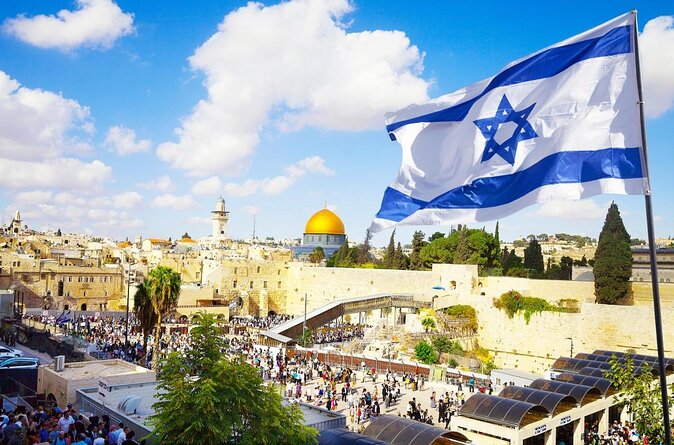
- Mount of Olives viewpoint: Start with a broad view over Jerusalem before entering the tight lanes of the Old City.
- Four major Old City quarters and sites: Walk through the Armenian and Jewish quarters, see the ancient Cardo, then continue to the Western Wall and Christian quarter.
- A rare two-city itinerary: You visit Jerusalem and Bethlehem in the same day, making this a useful introduction for a first visit.
- Church of the Nativity included: The tour reaches Manger Square and the underground grotto associated with Jesus’ birth.
- Guide quality matters: Guides such as Riki, Ron, and Elias have been praised for clear explanations and good pacing, though communication has not been consistent for every group.
- Prepare for a formal day: You need a valid passport, covered knees and shoulders, sensible clothing, and enough fitness for extended walking.
What this Jerusalem and Bethlehem day covers
At $120 per person, this is priced as a full-day sightseeing package rather than a simple ride between cities. Air-conditioned minivan transport, a group guide, and admission to the listed religious sites are included. Food and drinks are not, so you should plan to buy or carry something during the day.
The value comes from the amount of ground covered. In one outing, you see Jerusalem from above, visit Mount Zion, walk through sections of the Old City, and continue to Bethlehem. Doing this independently would require careful planning around transport, border arrangements, opening conditions, and the location of each site.
The tradeoff is depth. Jerusalem alone rewards slow wandering, and Bethlehem deserves more than a quick stop if you want time for markets, local food, or a wider look at the town. This tour is best understood as an orientation day, not a complete study of either city.
The timetable also needs a little flexibility. The published schedule gives about five hours for the Jerusalem portion and two hours at the Church of the Nativity and nearby sights, with the rest used for travel and transfers. Pickup arrangements have caused frustration in some cases, including bus changes and long delays before reaching Jerusalem, so do not choose this tour if you need a tightly controlled schedule.
More Bethlehem and Jericho crossings:
- Jerusalem and Bethlehem Day Tour from Jerusalem
★ 4.5 · 258 reviews - Travel to Bethlehem Half Day Guided Tour from Jerusalem & TelAviv
★ 5.0 · 239 reviews - Ashdod Shore Excursion: Jerusalem and Bethlehem – for cruise ship guests only
★ 4.5 · 149 reviews
The Mount of Olives gives you the essential first view
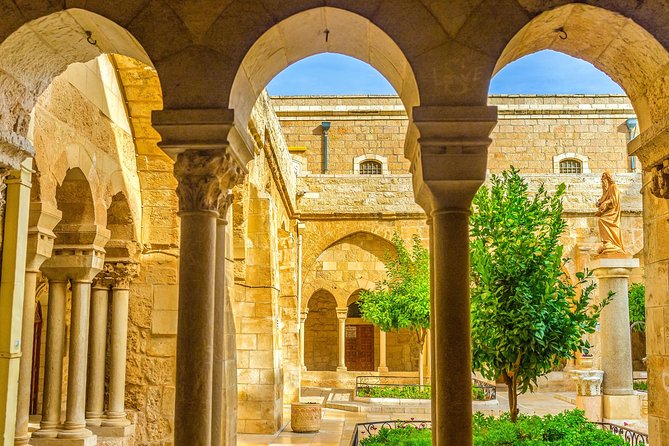
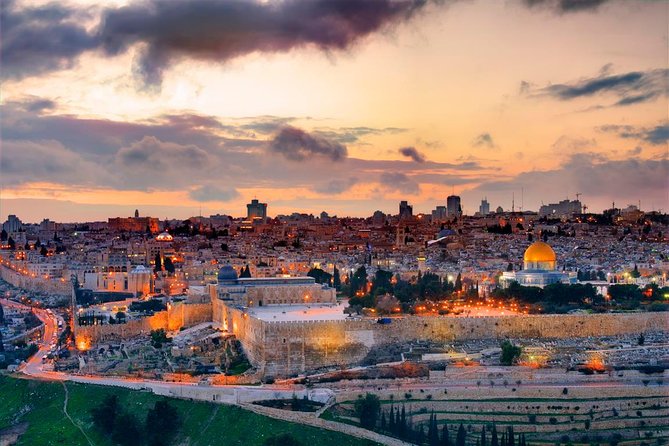
The day begins with a drive to the Mount of Olives for a panoramic look at Jerusalem. This is one of the most useful stops on the route because the Old City can feel confusing once you are inside its narrow lanes. From above, you can begin to understand the relationship between the walls, the Temple Mount area, Mount Zion, and the surrounding city.
You will also get a glimpse of the Garden of Gethsemane. The stop is brief compared with what a dedicated religious tour might offer, but it gives the guide a natural place to explain the setting and religious meaning of the area.
This first viewpoint is especially helpful for a first visit. You can take photographs, listen to an introduction, and then recognize some of the places you saw from above as you walk through the Old City later. Bring comfortable shoes, since the day shifts quickly from sightseeing by vehicle to walking on old streets.
Mount Zion links scripture, memory, and architecture
The next major stop is Mount Zion, where the route includes King David’s Tomb, the Room of the Last Supper, and the Dormition Abbey. These places represent different layers of Jerusalem’s religious and cultural importance, and seeing them together helps explain why the city has such a complicated identity.
King David’s Tomb is a sacred site associated with the biblical king. The Room of the Last Supper is traditionally linked with Jesus and his disciples, while the Dormition Abbey offers a very different architectural and religious setting. Your guide’s explanations are important here because the meaning of each place is not always obvious from the building alone.
The stop does involve moving through several sites in a limited amount of time. If your guide is strong, this section can give the whole day a clear structure. Ron has been praised for being friendly and informative while keeping the group moving, and Riki received especially warm praise for combining personal experience, direct explanations, and a calm manner around heavy crowds.
The Cardo shows Jerusalem beneath the modern street
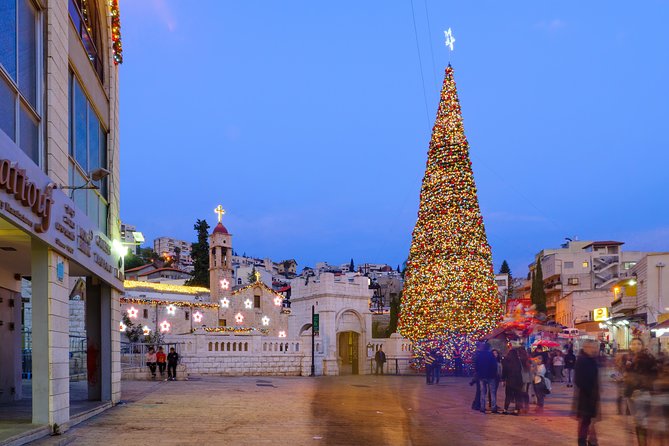
You then enter the Old City through the Zion Gate and walk through the Armenian and Jewish quarters. The route reaches the Cardo, a Roman road that was later restored and excavated. The Cardo was Jerusalem’s main street about 1,500 years ago, and its remains offer a welcome change from the better-known religious monuments.
I like this part because it gives you physical evidence of the city’s changing eras. Instead of hearing only about kings, prophets, and sacred events, you see how Jerusalem functioned as an urban center, with a major street running through it.
The quarters also give the walk some variety. You move through streets shaped by different communities and periods, then continue toward the Western Wall. The lanes may be crowded, and the tour does not appear to leave a large amount of free time for shopping. If browsing vendors matters to you, use any short pause wisely, but do not count on an extended market visit.
A few more Jerusalem trips worth weighing up
- From Jerusalem: Masada & Dead Sea Full Day Tour with Pick Up
★ 4.5 · 815 reviews - Full Day City Tour of Jerusalem
★ 4.1 · 367 reviews - Old and New Jerusalem Full-Day Tour
★ 4.0 · 273 reviews - Jerusalem Full Day Tour INCLUDING ENTRANCE FEES
★ 4.0 · 73 reviews
The Western Wall brings the group into the present
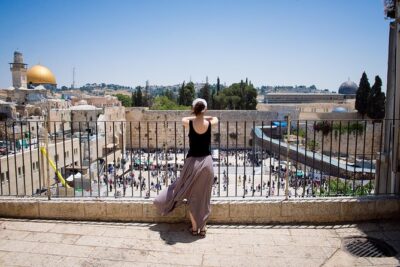
At the Western Wall, also called the Kotel or Wailing Wall, the tour pauses at one of Jerusalem’s most important Jewish religious sites. This is not simply an old stone wall to photograph. It is an active place of prayer, so you should approach quietly and follow the guide’s instructions.
The surroundings can be busy, and the group may not stay long. Still, this stop is valuable because you see the wall in its religious setting rather than as an isolated monument. The guide can help explain its connection to the Temple Mount area and why it remains such a powerful focus of worship.
Dress matters throughout this day, but especially around religious sites. Men and women must cover their knees and shoulders. Shorts and sleeveless tops can lead to refused entry at places of worship and selected museums, so conservative clothing is the safest choice from the start.
The Via Dolorosa and Holy Sepulchre require patience
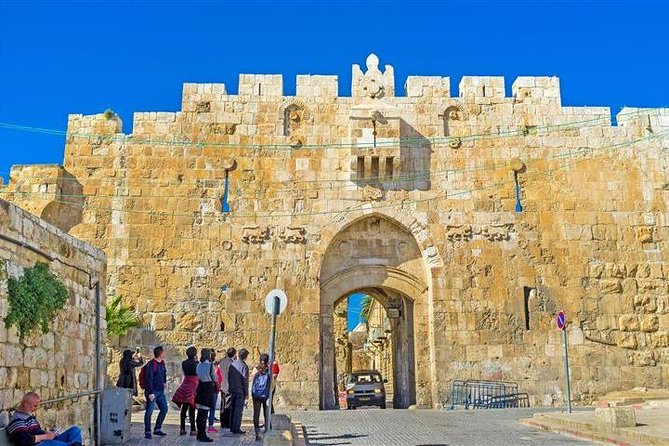
From the Jewish quarter, the walking route continues into the Christian quarter and along the Via Dolorosa. This is the traditional route associated with Jesus’ final journey toward crucifixion. The streets are narrow, active, and often crowded, which can make it difficult to stay close to the guide.
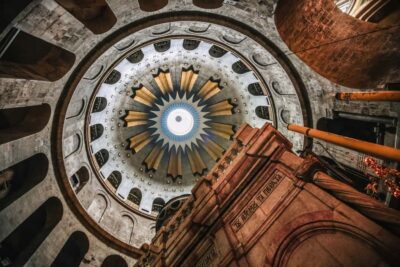
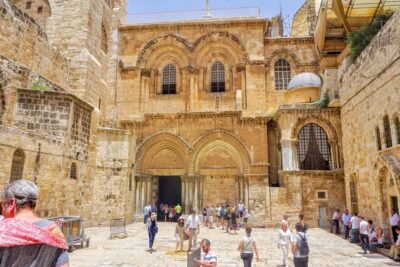
The Church of the Holy Sepulchre is the major Christian stop in Jerusalem. It is associated with Jesus’ crucifixion and burial, and the tour includes a visit inside. The building contains several chapels and sacred points, so a guide’s explanation helps you understand what you are seeing.
You should expect a practical challenge here: sound. One person found that the crowd made it hard to hear the guide’s stories and explanations, while another felt the guide asked the group to supply too many answers instead of giving enough facts. That means you may need to move close to the guide and ask direct questions when the group pauses.
Elias has been praised for being well prepared and well read, while other feedback points to uneven guiding. The experience depends heavily on who leads your group and how well the group stays together. This is one reason the tour works best as a first introduction, followed by your own slower return if a particular site captures your interest.
Bethlehem changes the focus of the day
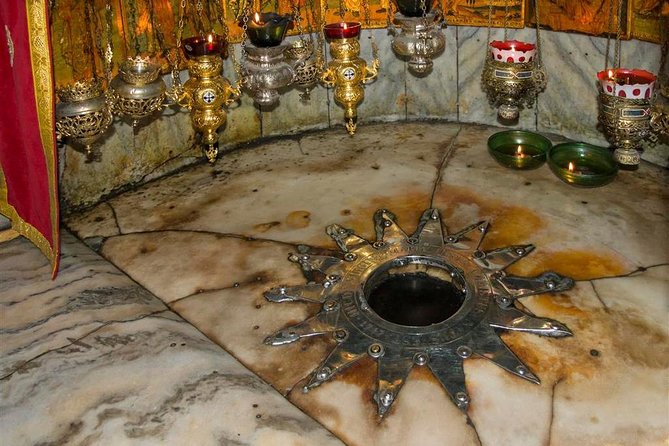
After Jerusalem, the trip continues to Bethlehem, the town associated with Jesus’ birth. The change of city also changes the focus from the Old City’s many layers of Jewish and Christian sites to one central Christian story.
The main destination is Manger Square and the Church of the Nativity. The church contains an underground grotto marking the traditional place of Jesus’ birth, where the manger is remembered. Admission is included, which is useful because this is the central reason for the Bethlehem portion of the day.
You should allow for crowds and possible waiting inside the church. The supplied schedule assigns about two hours to the Church of the Nativity area, including Manger Square and a view of the Shepherds’ Field. That is enough for a focused visit, but not enough for an unhurried exploration of Bethlehem.
The Shepherds’ Field adds context to the birth story and gives the stop some variety beyond the church interior. Still, the visit is built around the main religious sites. If you want a long meal, extensive shopping, or a wider look at Bethlehem, this format may feel short.
Why the guide can make or break the day
A guide has a difficult job here. The tour crosses two cities, handles several religious traditions, moves through crowded lanes, and must keep a large group on schedule. The best guides make complex places easier to understand without turning every stop into a lecture.
Riki received the strongest personal praise for making the day feel like a real experience, maintaining a diplomatic but direct manner, and keeping things moving despite crowds. Ron was praised for friendliness, useful information, and a good balance between pace and time at the sites. Elias was described as prepared and well read.
The less successful experiences point to two clear concerns. Some people found explanations hard to hear in crowded spaces, while others wanted more direct information and better answers to questions. A mixed-language group can add another layer of difficulty. One outing included Italian and English speakers, with translation during the guide’s explanations, and another included Russian speakers.
You can improve your chances by staying near the guide, listening carefully at the start of each stop, and asking questions during quieter moments. If your priority is detailed interpretation, a private tour would likely suit you better than a large group.
Transport, group size, and the real cost of convenience
Air-conditioned minivan transport is a useful feature, particularly for a long day with several walking sections. You do not have to arrange the route between Tel Aviv, Jerusalem, and Bethlehem yourself, and you can rest during some of the longer drives.
The main transport weakness is organization. Changes between buses and the combining or splitting of groups have led to long delays for some departures. One person described losing almost three hours during the process, which is a serious issue on an eight-hour outing.
The maximum group size is 55 people. That is a large group for narrow Old City streets and busy religious buildings. Some departures may be smaller, but you should not book on the assumption that a smaller group is guaranteed. If you were promised a reduced group, confirm the exact arrangement before paying extra for it.
At $120, the tour offers reasonable value if you want transport, a guide, and a quick introduction to both cities in one day. It is less attractive if you value quiet access, flexible stops, or a slow pace. The price buys convenience and coverage, not privacy.
What to wear and what to bring
The clothing rule is firm: knees and shoulders must be covered for both men and women. Wear light, modest clothing that works in warm weather, and bring an extra layer if needed. You should also choose footwear suitable for extended walking.
A valid current passport is required on the day of travel. Children must be accompanied by an adult, and the tour is intended for people with a moderate level of physical fitness.
Food and drinks are not included. Since you will be away for most of the day, carry water and plan for your own meal or snack. The tour operates in all weather, so check the forecast and dress for conditions rather than assuming the day will be mild.
Who should book this day trip
I would choose this tour if you are staying in Tel Aviv and want a broad first look at Jerusalem and Bethlehem without managing the transport yourself. It suits first-time visitors who want the major Christian and Jewish landmarks, enjoy guided context, and accept that the schedule will be brisk.
It is also a practical choice if the Church of the Nativity is a priority. The combination of Jerusalem’s Old City and Bethlehem in one day is the key selling point.
I would think twice if you dislike large groups, need guaranteed quiet at sacred sites, or want time for shopping and meals. The tour may also disappoint independent visitors who prefer to linger, take photographs without a schedule, or ask long questions at each stop.
Should you book it?
Book this tour for breadth and convenience. You will see the Mount of Olives, Mount Zion, the Cardo, Western Wall, Via Dolorosa, Church of the Holy Sepulchre, Church of the Nativity, Manger Square, and Shepherds’ Field in one demanding day.
Skip it in favor of a smaller or private arrangement if personal attention matters more than coverage. The best version of this tour depends on a strong guide, and the large-group format can make explanations and movement harder. For a first impression of the two holy cities, though, the route is thoughtfully chosen and the included transport and admissions make the $120 cost reasonable.
FAQ
How long is the Jerusalem and Bethlehem tour?
The trip lasts approximately eight hours. About five hours are assigned to the Jerusalem portion and about two hours to the Church of the Nativity and nearby Bethlehem sights, with the remaining time used for transport and transfers.
What transportation is included?
Transport by air-conditioned minivan is included. This is a group tour, and the maximum group size is 55 people.
Is admission to the main sites included?
Admission is included for the listed tour sites, including the Jerusalem portion and the Church of the Nativity.
Do I need a passport?
Yes. You must bring a current valid passport on the day of the tour.
What clothing is required?
Knees and shoulders must be covered for both men and women. Shorts and sleeveless tops are not allowed at places of worship and selected museums, and entry may be refused if you do not follow the dress code.
Are food and drinks included?
No. Food and drinks are not included unless specifically stated, so you should make your own arrangements for the day.
Can I cancel for a full refund?
Yes, if you cancel at least 24 hours before the experience start time. Cancellations or changes made less than 24 hours before departure are not accepted for a refund.
More 1-Day Tours in Jerusalem
- Masada and the Dead Sea Day Trip from Jerusalem
★ 4.5 · 757 reviews - Nazareth and the Sea of Galilee Day Trip from Jerusalem
★ 4.5 · 446 reviews - From Jerusalem: Dead Sea Chill Out Half-Day Trip
★ 4.7 · 165 reviews - Bethlehem, Jericho, and Qasr El Yahud Day Trip from Jerusalem
★ 4.0 · 109 reviews
Just added around Jerusalem
- jerusalem classic tour★ 5.0 · 3 reviews
- Jerusalem and the Dead Sea★ 5.0 · 3 reviews
- Private Walking Tour in Jerusalem’s Old City★ 5.0 · 3 reviews
- Jerusalem of 3 Religions in Russian★ 4.4 · 3 reviews
- Jerusalem Running Tour-Experience the unique vibes of Jerusalem in your sneakers★ 5.0 · 3 reviews
- From Jerusalem: Masada Sunrise, Ein Gedi & Dead Sea★ 5.0 · 3 reviews
- Christian Jerusalem in Russian★ 5.0 · 3 reviews
- Hebron & Ramallah Full-Day Guided Tour from Jerusalem★ 5.0 · 3 reviews
Bethlehem & Jericho Day Trips, compared.
Day Tour to Jerusalem and Bethlehem from Tel Aviv
Read our review →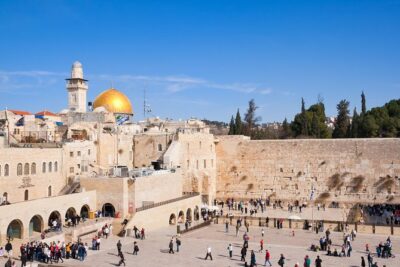
Jerusalem, Dead Sea, and Bethlehem from Tel Aviv
Read our review →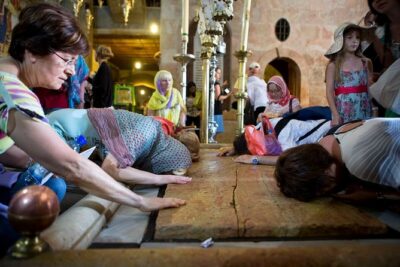
Jerusalem and Bethlehem Day Tour from Jerusalem
Read our review →
Travel to Bethlehem Half Day Guided Tour from Jerusalem & TelAviv
Read our review →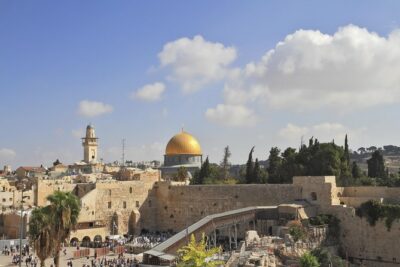
Ashdod Shore Excursion: Jerusalem and Bethlehem – for cruise ship guests only
Read our review →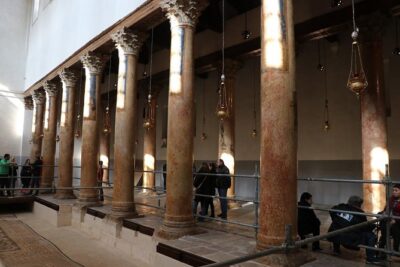
Travel From Jerusalem To Bethlehem and Dead Sea – Daily Group West Bank Tour
Read our review →Browse the lists this tour appears in