
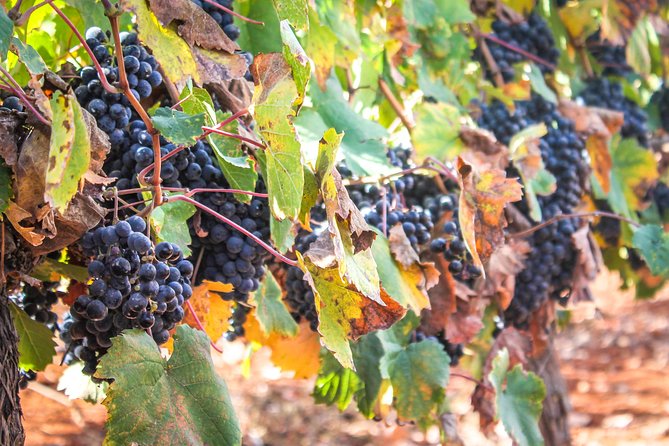
Review · WINE TOURS
kosher Israel wine tour
Wine and Jewish history share the same table. This private day tour links biblical Shiloh with two kosher wineries, giving you a useful mix of archaeology, faith, scenery, and tasting. I especially like the private format for groups of up to seven and the way the day connects ancient wine culture with modern Israeli winemaking. I also like the strong focus on Binyamin, a part of the country many Jerusalem visitors skip.
The main consideration is time. With a stated duration of about seven to ten hours, this is a full day rather than a quick tasting outing. The wine stops are fairly short on paper, while admission to Ancient Shiloh and one tasting costs extra, so you should confirm exactly what is included before booking.
In This Review
- Key points at a glance
- Why this Jerusalem wine day is more than a tasting
- Starting from Jerusalem and heading toward Binyamin
- Ancient Shiloh and the Tabernacle’s long stay
- Psagot Winery and the cave beneath the project
- Gvaot Winery and the second tasting
- The guide can make or break the day
- Price, group size, and what the cost really means
- Who will enjoy this experience most
- Practical booking advice before you go
- Should you book the kosher Israel wine tour?
- FAQ
- Where does the kosher Israel wine tour start?
- Where does the tour end?
- How long does the tour take?
- How many people can join the private tour?
- What places are included in the visit?
- Are admission fees and wine tastings included?
- What is the cancellation policy?
Key points at a glance
- Ancient Shiloh sets the tone: Visit the former center of Jewish life, where the Tabernacle stood for 369 years and Hannah prayed.
- Psagot has an unusual origin story: Its winery grew from a home project and an ancient cave containing a coin with an amphora.
- Gvaot adds a second tasting stop: The itinerary includes 45 minutes for wine tasting at this boutique winery.
- The private vehicle matters: Your group alone takes part, with pickup offered from Jerusalem and return to the meeting point.
- A multilingual guide can add real value: The guide has been praised for fluency in three languages and for explaining winemaking and grape growing.
- Plan for a long day: The listed stops total two hours and 45 minutes, before driving, meals, and any extra time at the sites.
Why this Jerusalem wine day is more than a tasting
Israel has an old relationship with wine. Biblical references connect wine with Judah, peace, prayer, and the land itself. Ancient Egyptian and Roman writers also described Canaan as a place where wine was produced well.
That background gives this outing a better shape than a simple series of cellar visits. You begin with the religious and political story of ancient Israel, then move toward present-day vineyards and boutique production. The connection is clear without requiring you to be a wine expert.
I would recommend this experience most strongly if you want context with your tasting. If you only want to sample several wines in a short afternoon, the seven to ten hour schedule may feel too long. If you enjoy pairing food and drink with archaeology and biblical sites, the pace makes more sense.
The tour is private, which is important here. A group of two can enjoy a quieter day, while a family or group of friends can divide the $762.83 cost among as many as seven people. For seven people, the price works out to about $109 per person before any extra admission or tasting charges. For a smaller group, the cost per person rises quickly, so the value is strongest when the vehicle is well filled.
More wineries worth an afternoon:
- Israel private tours,wine tours,off-road, tailor made,culinary,the best
★ 5.0 · 6 reviews - GoKEDEM Golan Heights ATV Action & Wine-Tasting Tour From Tel Aviv
★ 5.0 · 8 reviews - Private wine tour of Northern Israel
★ 5.0 · 4 reviews
Starting from Jerusalem and heading toward Binyamin
The stated meeting point is ICC / Shazar in Jerusalem, and the activity ends back there. Pickup is offered, but you should confirm the exact pickup arrangement when booking, since the information provided gives the meeting point rather than a detailed hotel pickup schedule.
The route takes you toward the Binyamin area. This is useful if you have already spent time in central Jerusalem and want to see a setting tied to biblical events and modern Israeli agriculture. The day is not built around a dense checklist of attractions. Instead, it gives you time at three main places, with the driving linking them together.
The schedule allows seven to ten hours, a fairly wide range. That likely reflects travel time, the pace of your private group, and how long you spend at the sites. I would avoid booking another fixed activity immediately afterward. A relaxed departure in the morning is the safer plan, especially if you want time for questions at the wineries.
Ancient Shiloh and the Tabernacle’s long stay
Ancient Shiloh is the most important historical stop. The Tabernacle stood here for 369 years, making Shiloh the capital and religious center of the Jewish people during that period. Joshua also divided the tribal inheritance here, giving the site a central place in the story of the Israelite settlement.
The connection to Hannah is especially meaningful. Hannah prayed at Shiloh, and her prayer is part of the model used in Jewish tradition to understand how to pray. The site is therefore not only an archaeological stop. For many people, it is also a place of personal and religious meaning.
You can expect antiquities and a visitor center designed to help explain the Tabernacle period. The goal is to help you picture the Mishkan and the people who came here thousands of years ago. That visual and historical framing can make the later wine discussion feel less isolated from the land’s past.
The scheduled visit is one hour and 30 minutes. That is enough time for a meaningful visit, though not an exhaustive archaeological study. Admission is not included, so add that cost to your budget. Since the tour price is already set by group rather than by person, this separate fee matters most for smaller groups.
I like the fact that Shiloh comes before the wineries. You first encounter wine country through the older religious and agricultural story of the region. Then you can listen to modern winemakers explain how their work fits into Jewish and Israeli life today.
If biblical sites are not your main interest, this stop may be the part you find least rewarding. The tour description gives strong historical and religious detail, but it does not promise a long list of excavated structures or a major museum visit. Think of Shiloh as a focused historical experience, not a full archaeological day.
Psagot Winery and the cave beneath the project
Psagot Winery is near the Michmash crossing, an area connected with the battle between Yonatan ben Shaul and the Philistines. That location gives the first winery stop a strong sense of place, even before the tasting begins.
The winery began with Jacob Berg, who started with a dream and made wine in the parking lot of his home. Looking for an inexpensive place to cool the wine led him to ancient caves in the area. After months of clearing dirt from a small opening, he found a cave that had been used as a winery about 2,000 years ago.
Inside, he found a coin from the Great Revolt against the Romans. The coin showed an amphora, the ancient vessel used for wine. Berg took that as a sign, and the winery developed into one of Israel’s leading boutique producers.
The story is memorable because it links practical winemaking with archaeology. You are not just hearing that wine was made in the area long ago. You are hearing about a physical cave and a coin tied to the Roman period. That gives the tasting a useful sense of continuity.
The scheduled visit at Psagot is 30 minutes, and admission is listed as free. That is a fairly short stop, so do not expect a long cellar tour or an extended seminar unless your guide and the winery allow extra time. The experience may focus more on the winery’s story and a brief introduction than on a detailed production visit.
This is also where the private format can help. You can ask your guide to explain the cave, the amphora, or the local connection without worrying about holding up a large group. The published praise for the guide points to one of the tour’s strongest features: clear explanations of winemaking and grape growing, plus fluency in three languages and the ability to translate technical discussions.
A few more Jerusalem trips worth weighing up
- From Jerusalem: Masada & Dead Sea Full Day Tour with Pick Up
★ 4.5 · 815 reviews - Masada and the Dead Sea Day Trip from Jerusalem
★ 4.5 · 757 reviews - From Jerusalem: Nazareth and Sea of Galilee Tour
★ 4.5 · 588 reviews - Nazareth and the Sea of Galilee Day Trip from Jerusalem
★ 4.5 · 446 reviews
Gvaot Winery and the second tasting
Gvaot Winery is scheduled for 45 minutes of wine tasting. The provided information gives fewer details about its setting and history than it does for Psagot, so I would treat this stop mainly as a chance to compare wines and production styles.
That comparison is one of the practical benefits of visiting two wineries in one day. Instead of judging a single producer in isolation, you can notice differences in flavor, grape choices, presentation, and the way each winery tells its story. You do not need advanced wine vocabulary. Pay attention to what you like, then ask what caused that difference.
The tasting admission is not included, so confirm the price before you go. This is an important point because the headline tour cost may not cover every activity at every stop. The tour description clearly lists Psagot admission as free, but it marks the Gvaot tasting and Ancient Shiloh admission as extra.
Forty-five minutes should provide a focused tasting, though it is not a long food-and-wine program. No meal or food pairing is specified, so you should not assume lunch is part of the package. Ask about meal timing before departure, especially if you are traveling with children or anyone who needs regular food.
The guide can make or break the day
Wine is full of small technical details. Terms about fermentation, grapes, aging, and vineyard work can lose you quickly if they are not explained well. The guide is reported to speak three languages and to serve as a translator during discussions of winemaking techniques and viticulture.
That is a genuine advantage for an international group. You can ask a question in the language that feels most comfortable and still follow the answer. The guide has also been praised for being friendly, entertaining, and well informed, with the wine tastings and beautiful vines receiving particular praise.
I would give the guide plenty of room to shape the day. Since the activity is private, your group can likely spend more time on biblical history, religious meaning, or wine production according to your interests. The available information does not promise a specific guide by name, so do not book expecting a particular person unless the operator confirms it.
A good question to ask at the wineries is how ancient methods relate to current production. The Psagot cave story naturally opens that conversation. You can also ask how kosher wine production affects handling and service, though the exact practices are not detailed in the tour information.
Price, group size, and what the cost really means
The listed price is $762.83 per group of up to seven. That pricing structure favors families and friend groups more than solo visitors or couples. At the maximum group size, the shared cost is reasonable for a private full-day outing with transportation from Jerusalem and a guide.
For two people, however, the same price becomes a major expense. You are paying for privacy, a dedicated vehicle, and a custom group experience rather than for a low-cost shared excursion. I would compare the price with the value of having your own schedule and avoiding a large coach.
The tour lasts approximately seven to ten hours, but the three listed visits account for only two hours and 45 minutes. The rest of the time will be used for driving, transitions, and possibly conversation or unscheduled flexibility. That is normal for a private outing in this area, but the broad time range means you should confirm the expected departure and return times.
Two details deserve special attention:
- Ancient Shiloh admission is not included.
- Gvaot wine tasting admission is not included.
Psagot admission is listed as free. No meal is specified, so budget separately for food unless the operator tells you otherwise. These extra costs are not necessarily a problem, but they should be part of your decision.
Who will enjoy this experience most
I would choose this tour if you want:
- A private day outside Jerusalem
- Biblical history alongside modern Israeli wine
- A kosher wine experience with two winery stops
- A guide who can explain technical wine subjects clearly
- A flexible outing for a group of family or friends
- A visit to Ancient Shiloh with religious meaning
I would think twice if you want a short, wine-only excursion. The Shiloh visit is central to the day, and the religious and historical material is not a side note. You should also reconsider if your group is very small and the full private price feels hard to justify.
Most travelers can participate, and service animals are allowed. The meeting area is near public transportation, though the tour itself includes pickup and private group transport. Because the activity is private, only your group takes part.
Practical booking advice before you go
Confirmation is sent within 48 hours of booking, subject to availability. I would wait for that confirmation before treating the day as fixed.
Ask the operator to clarify four things:
- Your exact pickup location in Jerusalem
- The expected start and return time
- The current cost of Ancient Shiloh admission
- The current cost of the Gvaot tasting
You can cancel for a full refund if you do so at least 24 hours before the local start time. Changes or cancellations made less than 24 hours ahead are not accepted for a refund. That gives you some flexibility, but not on the morning of the tour.
The experience carries a 5/5 rating from four published assessments. The most praised elements are the quality of the tastings, the beauty of the vines, and the guide’s friendly, entertaining approach. Those points are worth emphasizing because they address the core question: this is not only a history tour with wine added at the end. The wine portion is a central reason to book.
Should you book the kosher Israel wine tour?
Book it if you want a full private day that connects Jewish history, prayer, archaeology, vineyards, and kosher wine. The combination of Ancient Shiloh, Psagot’s cave story, and Gvaot’s tasting gives the outing more substance than a standard winery visit.
The best value comes with five to seven people sharing the price. Before paying, confirm the extra admission and tasting fees, meal arrangements, and pickup details. If those costs fit your plan, this is a thoughtful choice for a group that wants conversation, history, and wine in equal measure.
FAQ
Where does the kosher Israel wine tour start?
The stated starting point is ICC / Shazar in Jerusalem, Israel. Pickup is offered, so confirm the exact arrangement when booking.
Where does the tour end?
The activity ends back at the meeting point in Jerusalem.
How long does the tour take?
The approximate duration is seven to ten hours.
How many people can join the private tour?
The price covers one private group of up to seven people. Only your group participates.
What places are included in the visit?
The day includes Ancient Shiloh, Psagot Winery, and Gvaot Winery.
Are admission fees and wine tastings included?
Admission to Ancient Shiloh is not included. Psagot Winery admission is listed as free, while the Gvaot wine tasting is not included. Confirm current charges before departure.
What is the cancellation policy?
You can cancel at least 24 hours before the local start time for a full refund. Cancellations or changes made less than 24 hours before the start are not accepted for a refund.
Just added around Jerusalem
- Private Walking Tour in Jerusalem’s Old City★ 5.0 · 3 reviews
- jerusalem classic tour★ 5.0 · 3 reviews
- Jerusalem and the Dead Sea★ 5.0 · 3 reviews
- Jerusalem of 3 Religions in Russian★ 4.4 · 3 reviews
- Jerusalem Running Tour-Experience the unique vibes of Jerusalem in your sneakers★ 5.0 · 3 reviews
- From Jerusalem: Masada Sunrise, Ein Gedi & Dead Sea★ 5.0 · 3 reviews
- Christian Jerusalem in Russian★ 5.0 · 3 reviews
- Hebron & Ramallah Full-Day Guided Tour from Jerusalem★ 5.0 · 3 reviews
Wine Tours, compared.

GoKEDEM Golan Heights ATV Action & Wine-Tasting Tour From Tel Aviv
Read our review →
Israel private tours,wine tours,off-road, tailor made,culinary,the best
Read our review →
Browse the lists this tour appears in