
Review · DEAD SEA TOURS
Massada and the Dead Sea in Russian
History rises above the desert. This Russian-language excursion combines Masada’s dramatic fortress ruins with a relaxing Dead Sea stop, giving you two very different sides of southern Israel in one 270-minute outing. I especially like the guided visit to Masada, where the remains of Herod’s palace, synagogue, water cisterns, and military buildings make the past feel concrete. I also like the chance to float in the Dead Sea and use its famous mineral mud.
The main point to watch is cost. The tour is listed at $82 per person, but the required funicular ride to Masada costs extra, listed at roughly $22 to $24, or 80 to 91 shekels. There are no assigned bus seats, so keep your belongings with you rather than using them to reserve a place.
In This Review
- Key Points Before You Book
- Why Masada and the Dead Sea Work Well Together
- Riding Toward the Judean Desert
- Reaching Masada by Funicular
- What the Masada Visit Feels Like
- From Fortress to the Lowest Place on Earth
- The Dead Sea Cosmetics Stop
- Price, Extra Fees, and Overall Value
- Bus Seating and Pickup Advice
- Who Will Enjoy This Excursion Most?
- Should You Book Masada and the Dead Sea?
- FAQ
- What language is the tour conducted in?
- How long does the experience last?
- Is transportation included?
- Is the Masada funicular included in the price?
- Is swimming at the Dead Sea included?
- Are meals included?
- Where is pickup available?
Key Points Before You Book
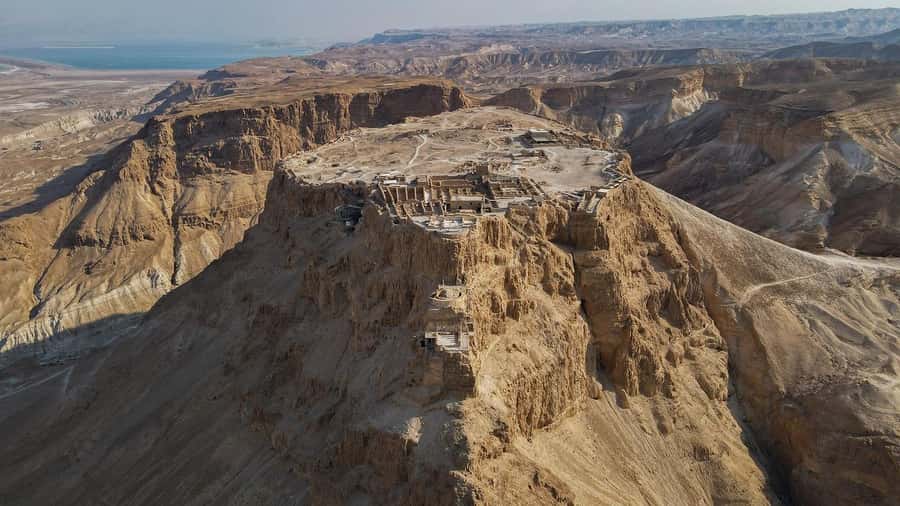
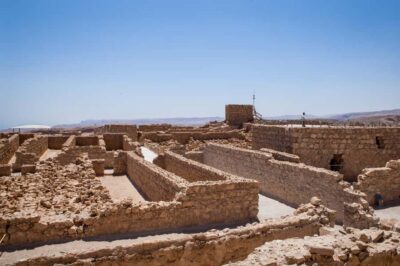
- Masada sits above the Judean Desert: The fortress ruins include a palace, synagogue, armories, rainwater pits, and other ancient structures.
- The funicular costs extra: A ride is required as part of the group visit and is not included in the tour price.
- The Dead Sea stop includes bathing and mud treatments: Bring suitable swimwear and expect the beach portion to be a major part of the day.
- The guide speaks Russian: The tour is designed for Russian-speaking visitors, with cultural and historical explanations along the way.
- Pickup is offered from several Israeli locations: Listed points include Sderot Haatsmaut 64, Keren HaYesod and Haim Moshe Shapira, Hagshama Street 2, and Talpiot Market in Haifa.
- The excursion lasts 270 minutes: That is about four and a half hours, making it a focused half-day outing rather than a full-day expedition.
Why Masada and the Dead Sea Work Well Together
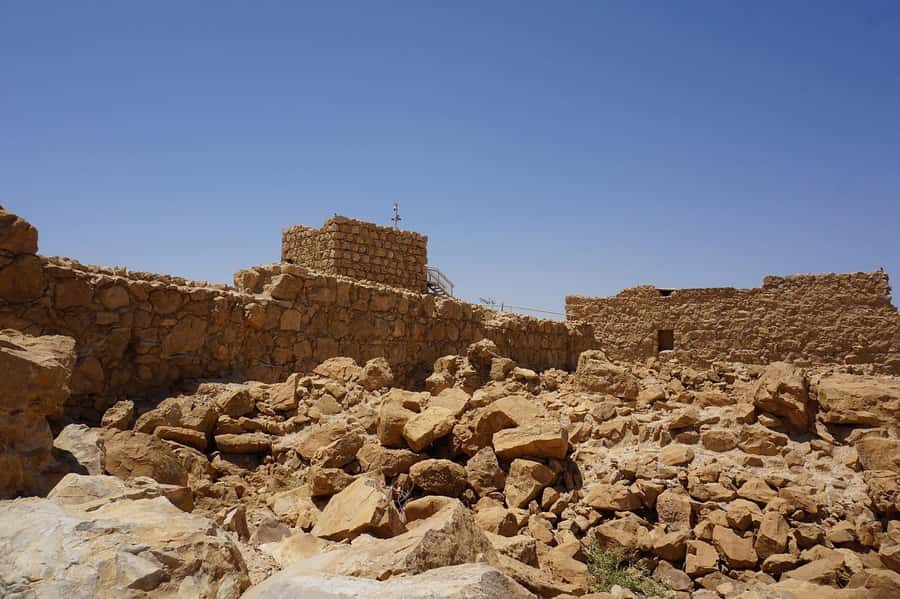
Masada and the Dead Sea are close enough to visit in one outing, yet they offer opposite moods. Masada is dry, elevated, and tied to conflict and survival. The Dead Sea is low, calm, and suited to rest. Putting them together gives the excursion a useful rhythm: first look outward across the desert, then slow down beside the water.
I like this pairing because neither stop feels like filler. Masada provides the main cultural experience, while the Dead Sea gives you time to enjoy one of Israel’s most unusual natural settings. You are not simply moving from one sightseeing stop to another. You are seeing how people lived, fought, stored water, and built settlements in an extremely dry region, then visiting the mineral-rich sea below.
The short duration also has value. If you are staying in Israel and have limited time, four and a half hours is manageable. You can add Masada and the Dead Sea without committing a full day. The tradeoff is that the schedule may feel compact, especially if you like to linger at archaeological sites or spend a long time at the beach.
More ways to get down to the Dead Sea:
- From Tel Aviv: Masada & Dead Sea Full Day Tour with Pick Up
★ 4.5 · 1,496 reviews - Masada and the Dead Sea Day Trip from Tel Aviv
★ 4.5 · 1,014 reviews - Tel Aviv: Jerusalem, Bethlehem & Dead Sea
★ 4.0 · 881 reviews
Riding Toward the Judean Desert
The bus journey takes you through the Judean Desert toward Masada and the southern Dead Sea. The transfer is included, and having transport arranged matters here. These sites are not city-center attractions that you can easily combine on foot or by local bus.
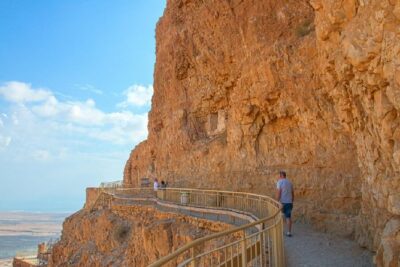
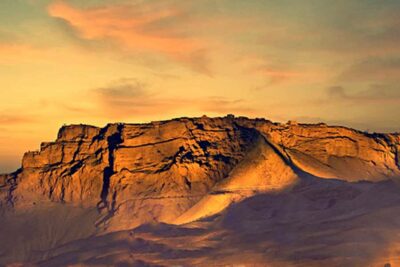
The desert setting prepares you for Masada. The fortress was built on top of a cliff near the Dead Sea and close to Arad. Its position was not chosen for convenience. The height offered protection and wide views across the surrounding dry country, while the builders created systems to collect and store scarce rainwater.
A Russian-speaking guide adds value during this part of the outing. The scenery can look stark if you do not know what you are seeing, but explanations about water, defense, settlement, and regional history help connect the views to the site itself. One highly praised guide, Alexandra, was noted for explaining not only Masada and the Dead Sea but also wider Israeli history and current life. If she leads your departure, expect a guide who brings feeling and energy to the commentary.
Since the exact travel time from each pickup point is not provided, check the departure details carefully before booking. Pickup locations are listed in several places, including Haifa, and a Haifa departure is available only on Saturdays. That schedule detail can make a real difference if you are building a wider Israel itinerary.
Reaching Masada by Funicular
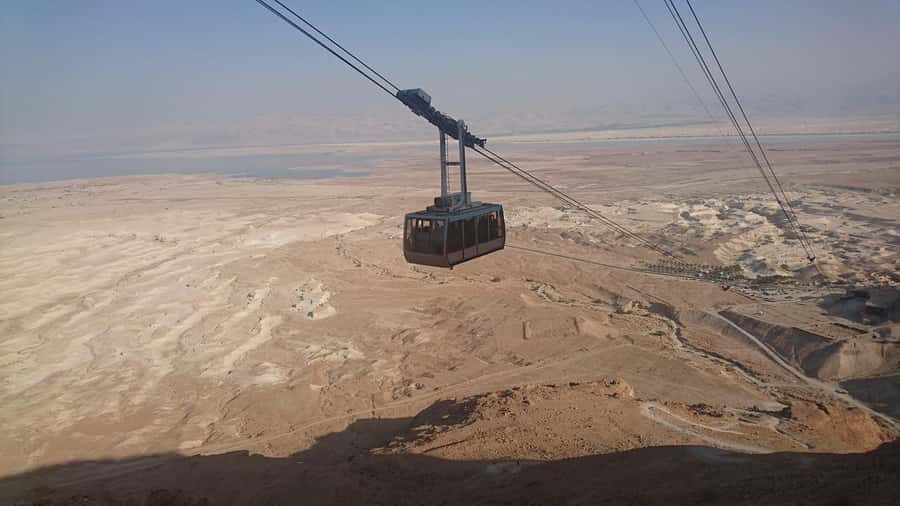
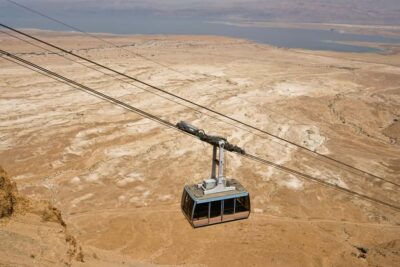
The funicular is a practical part of the Masada visit, but it changes the advertised price. The tour price is $82 per person, while the required ride is listed separately at approximately $22 to $24. In shekels, the stated amount is about 80 to 91. Budget for the additional charge rather than treating it as an optional extra.
The ride helps make the site accessible to more people than a steep uphill approach would. Even so, the excursion is not recommended for people with limited mobility. That warning may relate to the wider site experience, boarding, walking, or uneven ancient remains, so you should consider your own comfort before reserving.
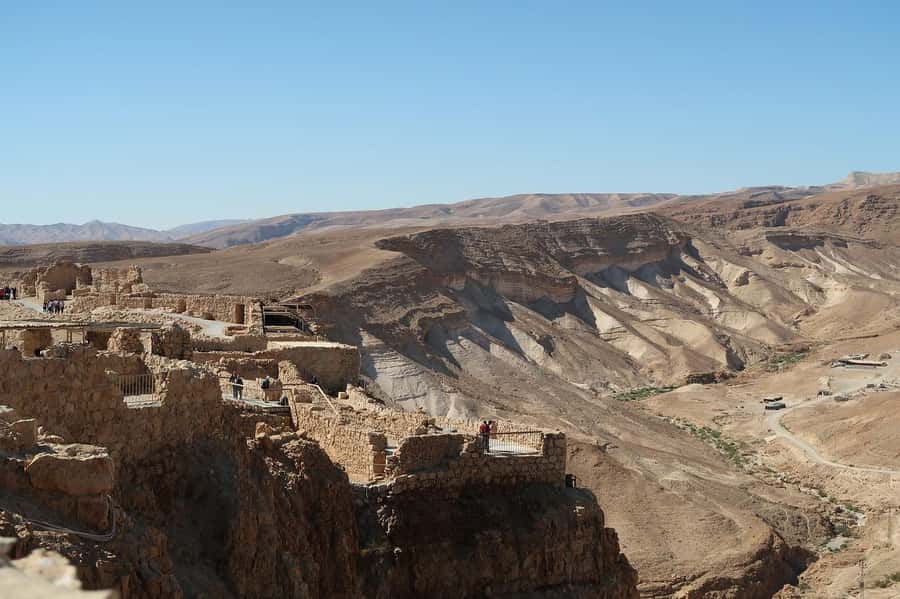
Once at the top, Masada is more than a viewpoint. The plateau contains the remains of a palace, synagogue, armories, buildings for daily use, and pits designed to collect rainwater. These details help you picture how a community functioned in a place where every drop of water mattered.
The ruins are connected with the Zealot defenders who held out against Roman forces. After months of siege, food and water ran short. The defenders were killed in battle or took their own lives rather than surrender and become slaves. That story gives Masada its place as a symbol of Jewish courage and resistance, though the site also raises difficult questions about war, leadership, and the cost of refusing defeat.
A good guide should help you think about those issues without reducing Masada to a simple heroic slogan. The archaeological remains are especially useful here. A synagogue, storage and military structures, and water installations show the practical side of life behind the famous story.
Masada was added to the UNESCO World Heritage list, which reflects its cultural and archaeological importance. The designation itself is not the reason to visit, but it helps explain why the site receives such attention. You are looking at a place with both physical remains and a powerful role in Jewish national memory.
What the Masada Visit Feels Like
Expect a site made for looking and listening. The fortress sits high above the desert, so the setting supplies much of the drama. From the plateau, you can appreciate why this was a defensive position and why controlling water was central to survival.
The tour’s guided format is useful because the ruins are not self-explanatory. A broken wall or stone platform can look ordinary without context. With a Russian-speaking guide, you can follow the story in your own language and ask questions about the buildings, the siege, and the meaning of the site.
Give yourself room to notice smaller details. The rainwater pits may be less famous than the palace, but they reveal how advanced the settlement’s planning had to be. The synagogue and armories also show that Masada was not only a military lookout. It was a functioning place where people worshipped, stored supplies, and lived under pressure.
The drawback is that the visit may feel rushed if you want to study every ruin. The full outing lasts 270 minutes and includes transport plus the Dead Sea, so Masada cannot take the entire day. You will get the main story and key structures, but this is not a specialist archaeological tour.
A completely different sort of day out of Israel:
- From Tel Aviv: Jerusalem and Bethlehem Guided Day Trip
★ 4.3 · 1,316 reviews - From Tel Aviv: Jerusalem Old & New City Bus Tour
★ 4.2 · 824 reviews - From Tel Aviv: Guided Day Trip to Nazareth & Sea of Galilee
★ 4.4 · 824 reviews - From Jerusalem: Masada & Dead Sea Full Day Tour with Pick Up
★ 4.5 · 815 reviews
From Fortress to the Lowest Place on Earth
After Masada, the excursion continues to the Dead Sea for bathing. The Dead Sea is famous for its exceptionally low position below sea level and for water that allows you to float more easily than in ordinary seawater. The experience is simple, unusual, and relaxing after the sun and stone of Masada.
The stop also includes Dead Sea mud treatments. Mineral mud is one of the area’s best-known pleasures, and applying it gives the beach visit more purpose than simply standing at the shore. You can enjoy the contrast: Masada asks you to think about the past, while the Dead Sea invites you to slow down and enjoy your surroundings.
Follow local beach guidance carefully. Saltwater can be uncomfortable if it reaches your eyes or irritated skin, so you will want to act with care rather than treating the water like an ordinary swimming area. The supplied information confirms bathing and mud treatments, but it does not specify beach facilities, changing rooms, towels, or shower arrangements. Check those details before departure if they matter to you.
Meals are not included unless purchased separately. It is sensible to plan around that, especially because the schedule is long enough for hunger but short enough that you may not have much free time for an independent meal. The precise meal options are not specified, so do not assume a full lunch is part of the package.
The Dead Sea Cosmetics Stop
The itinerary includes a shop selling Dead Sea cosmetics. This can be useful if you want to take home mud, salts, creams, or other products linked to the area. It also gives you a chance to see how the Dead Sea has become part of Israel’s beauty and wellness trade.
You do not need to buy anything to enjoy the natural stop. Treat the shop as an optional shopping opportunity, not as a reason to book the excursion. Prices, brands, and the amount of time spent there are not specified, so shoppers should keep their budget in mind.
For many people, the shop will be a pleasant final touch. For others, it may feel less authentic than the fortress and the beach. I would approach it with a clear plan: buy a product if you already want one, but do not let sales pressure change the value of the day.
Price, Extra Fees, and Overall Value
At $82 per person, the tour offers a convenient way to combine transport, a Russian-language guide, Masada, and the Dead Sea. Once you add the required funicular fee of roughly $22 to $24, the practical cost is closer to $104 to $106 per person, before meals or purchases.
That price can make sense if you value simplicity. You do not have to arrange the bus journey between the sites, work out the Masada access, or find a Russian-speaking guide on your own. The cultural explanation is also important. Masada has enough historical detail that a guided visit usually gives you more than a quick photo stop.
The value is weaker if you already have a car, speak another language comfortably, or want a slow independent day. The 270-minute schedule gives you a useful introduction, but not endless time. You are paying for a structured visit, not complete freedom.
The extra funicular charge should be displayed clearly in your own budget. The stated figures vary slightly between about $22 and $24, with shekel amounts of 80 to 91. That difference is small, but it is still worth confirming the current amount before you go.
Bus Seating and Pickup Advice
There are no assigned seats on the bus. This is more than a minor comfort issue. Do not leave a bag, coat, or other item on a seat to claim it for later. That practice conflicts with the stated rules and can create a safety problem for drivers and guides.
Arrive ready to board at your designated pickup point. The listed locations include Sderot Haatsmaut 64, Keren HaYesod and Haim Moshe Shapira, Hagshama Street 2, and Talpiot Market in Haifa. Haifa pickup is available only on Saturdays, so check the day before making plans around it.
The provider includes attendant staff and bus transfers during the tour. That means the basic ground handling is covered, though meals, cosmetics, and the Masada funicular are not. Bring only what you need for the beach and site visit, and keep your personal items close.
Who Will Enjoy This Excursion Most?
I would recommend this outing to anyone who wants a first look at Masada and the Dead Sea without organizing separate transport. It suits visitors who prefer Russian-language guiding, want historical context, and like the idea of pairing an archaeological site with a short beach break.
It is also a good fit for people with a limited schedule. The half-day format leaves room for other plans, though the exact timing of transfers and stops may affect how much free time you have afterward.
You may want a different arrangement if you have limited mobility, need a long and slow archaeological visit, or dislike organized shopping stops. The warning about limited mobility should be taken seriously. Masada is an ancient cliff-top site, and the outing involves more than simply riding a bus and sitting by the sea.
The tour received a top rating from the available bookings, with particular praise for the guide Alexandra and for the quality of the historical explanation. The strongest reason to choose it is not just the famous destination. It is the combination of a Russian-speaking guide, included transport, and two very different experiences in one compact outing.
Should You Book Masada and the Dead Sea?
Book it if you want an efficient Russian-language introduction to Masada and the Dead Sea, and if you are comfortable paying extra for the required funicular. The guided history, desert setting, bathing, and mud treatments give the outing a good balance of learning and rest.
Skip it if you need full independence, have mobility concerns, or want to spend most of the day at one site. Before paying, confirm the current funicular price, the pickup time, and what beach facilities are available. With those details clear, this is a practical way to experience two of southern Israel’s most distinctive places in a single half-day.
FAQ
What language is the tour conducted in?
The live tour guide speaks Russian. The excursion is designed for Russian-speaking visitors.
How long does the experience last?
The tour lasts 270 minutes, or about four and a half hours.
Is transportation included?
Yes. Bus transfers during the tour and attendant staff services are included.
Is the Masada funicular included in the price?
No. The required funicular ride is charged separately at approximately $22 to $24, or about 80 to 91 shekels.
Is swimming at the Dead Sea included?
The itinerary includes bathing at a Dead Sea beach, along with Dead Sea mud treatments.
Are meals included?
No. Meals are not included unless purchased separately.
Where is pickup available?
Pickup is listed at Sderot Haatsmaut 64, Keren HaYesod and Haim Moshe Shapira, Hagshama Street 2, and Talpiot Market in Haifa. Haifa departure is available only on Saturdays.
Just added around Israel
- 4-Day Christian Israel Tour from Tel Aviv★ 5.0 · 3 reviews
- Palm Sunday in Jerusalem: Mass at Bethpage and Via Dolorosa Procession with Transport from Tel Aviv★ 5.0 · 3 reviews
- Jerusalem and the Dead Sea★ 5.0 · 3 reviews
- Private Walking Tour in Jerusalem’s Old City★ 5.0 · 3 reviews
- jerusalem classic tour★ 5.0 · 3 reviews
- Jerusalem of 3 Religions in Russian★ 4.4 · 3 reviews
- Jerusalem Running Tour-Experience the unique vibes of Jerusalem in your sneakers★ 5.0 · 3 reviews
- Christian Jerusalem in Russian★ 5.0 · 3 reviews
Dead Sea Tours, compared.
Masada & Dead Sea Full Day Tour with Pick Up
Read our review →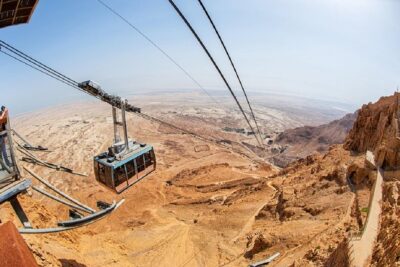
Masada and the Dead Sea Day Trip from Tel Aviv
Read our review →
Masada and the Dead Sea Day Trip from Jerusalem
Read our review →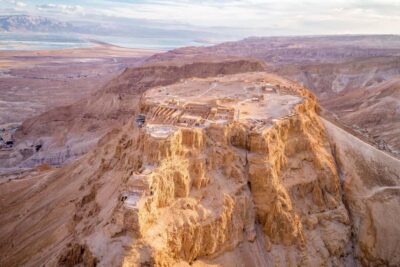
Browse the lists this tour appears in