
Review · CARMEL MARKET TOURS
Tel Aviv: Carmel Market & Neighborhood Guided Walking Tour
Come hungry for stories. This 90-minute walk through Carmel Market and nearby streets links Tel Aviv food, immigration, architecture, and daily life in a compact route led by a local English-speaking guide. At $39 per person, it is a fair price if you want context and help making sense of the market, not simply time to shop.
I especially like the focus on immigrant food traditions, including malawach and sabich, and the chance to explore both Carmel Market and the Nachalat Binyamin district. I also like that your guide can help translate while you buy local products. The main consideration is that food is not included in the basic price, and the tour runs in rain or shine.
A verified January 2026 review gives special praise to Katya, describing her as an exceptional guide who made the visit lively and closely connected to Israeli history. That is useful context: this tour depends greatly on the guide, and Katya appears to bring the historical side to life.
In This Review
- Key points to know before booking
- Starting at Poli House and Allenby Street
- Reading Carmel Market through food
- Choosing the food-tasting upgrade
- Pastel buildings and Yemenite character
- Nachalat Binyamin, crafts, and street art
- What the guide adds to the experience
- How much value do you get for $39?
- Timing, weather, and physical comfort
- What I would do before and after the walk
- Should you book the Carmel Market walking tour?
- FAQ
- How long is the Carmel Market and Neighborhood Walking Tour?
- Where does the tour meet?
- What language is the tour conducted in?
- Is food included in the tour price?
- What does the food-tasting upgrade include?
- How far do you walk?
- What should I bring?
- Can I cancel the tour for a refund?
Key points to know before booking
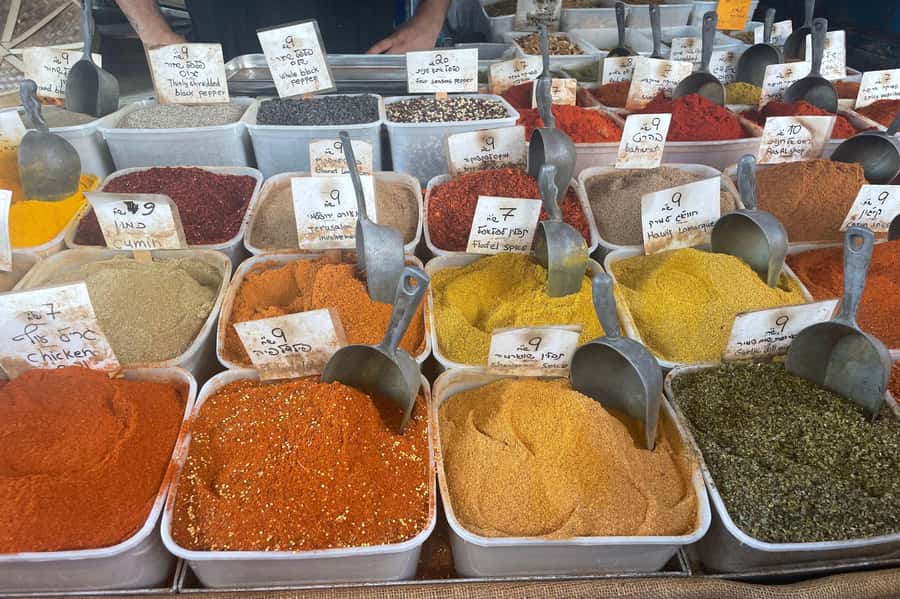
- Carmel Market is the main event: You walk through Tel Aviv’s largest open-air market, with produce, spices, bakeries, prepared foods, and street vendors.
- Immigrant food takes center stage: Your guide explains how Jewish communities shaped local dishes such as malawach and sabich.
- The route covers about 1 kilometer: The distance is short, but market lanes and cobblestone streets call for comfortable shoes.
- Nachalat Binyamin adds an artistic angle: Street art, local crafts, and pastel-colored buildings broaden the walk beyond food.
- Food tastings cost extra: The upgrade provides tastings equivalent to a lunch portion. The standard tour gives you time to buy food and products yourself.
- Small groups help: The maximum is 15 people, enough for a personal feel without requiring a private-tour budget.
Starting at Poli House and Allenby Street
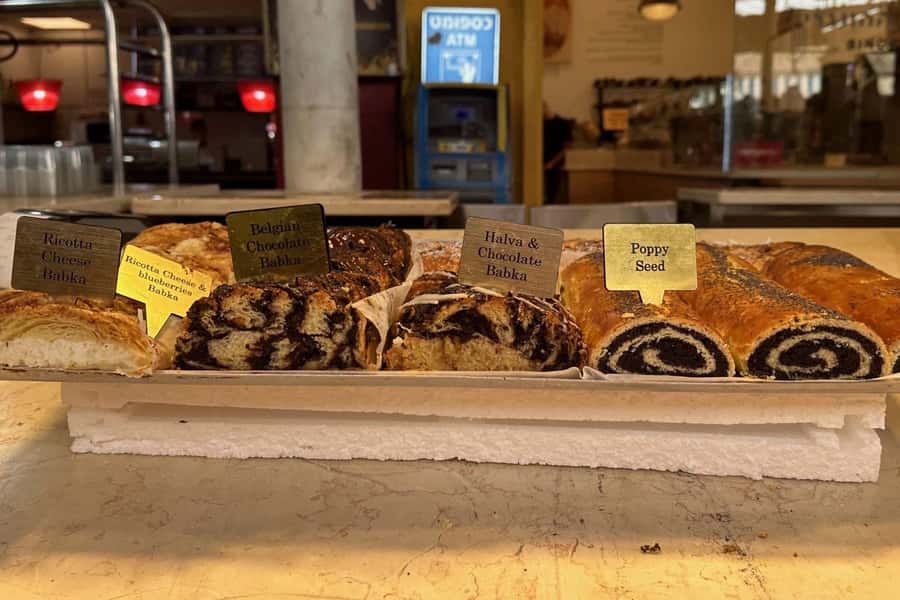
The meeting point is on the corner outside the Poli House hotel, where the Carmel Market area meets Allenby Street. This is a useful spot because you begin right at the edge of the market rather than spending part of your 90 minutes finding the main entrance.
I recommend arriving with water, a hat, sunscreen, and shoes you can comfortably wear on uneven streets. You will cover only about 1 kilometer, but the route uses narrow market passages and cobblestone streets. The short distance makes the tour manageable for many people, though anyone with mobility issues must have an active companion.
The guide speaks English, and the group can include as many as 15 people. That size should keep the walk more personal than a large city tour, while still allowing the $39 price to remain reasonable. The experience is not designed as a private shopping assistant, but your guide can offer translations when you want to purchase something.
More Market Tours in Tel Aviv
- Carmel Market Tasting Tour – LocaLocal
★ 5.0 · 140 reviews - Tel Aviv: Jaffa & Carmel Market Walking Tour
★ 4.7 · 60 reviews - Tel Aviv: Carmel Market & Tel Aviv Tour with Tastings
★ 3.8 · 36 reviews
Reading Carmel Market through food
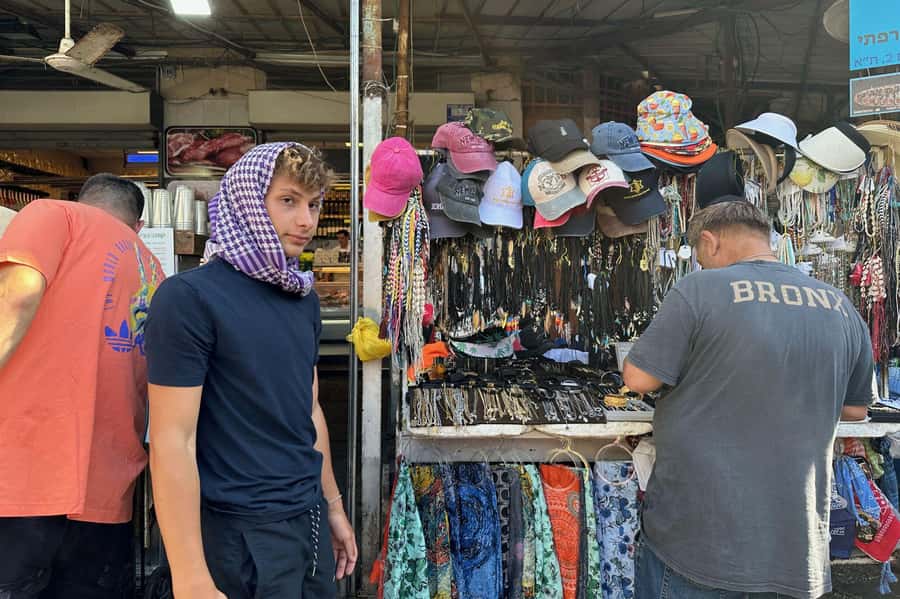
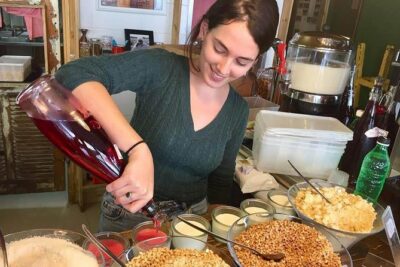
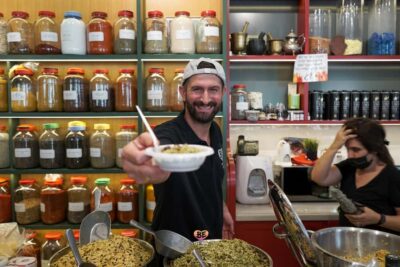
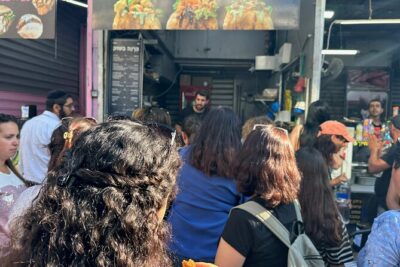
Carmel Market, known locally as Shuk HaCarmel, is the place to pay attention to your senses. You can expect rows of fresh produce, spices, bakeries, prepared dishes, and stalls run by street vendors and shopkeepers. The appeal is not only what you eat. It is learning why the food looks and tastes the way it does.
The market reflects Tel Aviv’s immigrant roots. Jewish immigrants from different places brought cooking methods, ingredients, and family dishes that became part of the city’s everyday food culture. Your guide connects those movements of people with what you see in the stalls, so the market becomes a record of migration told through bread, spices, and quick meals.
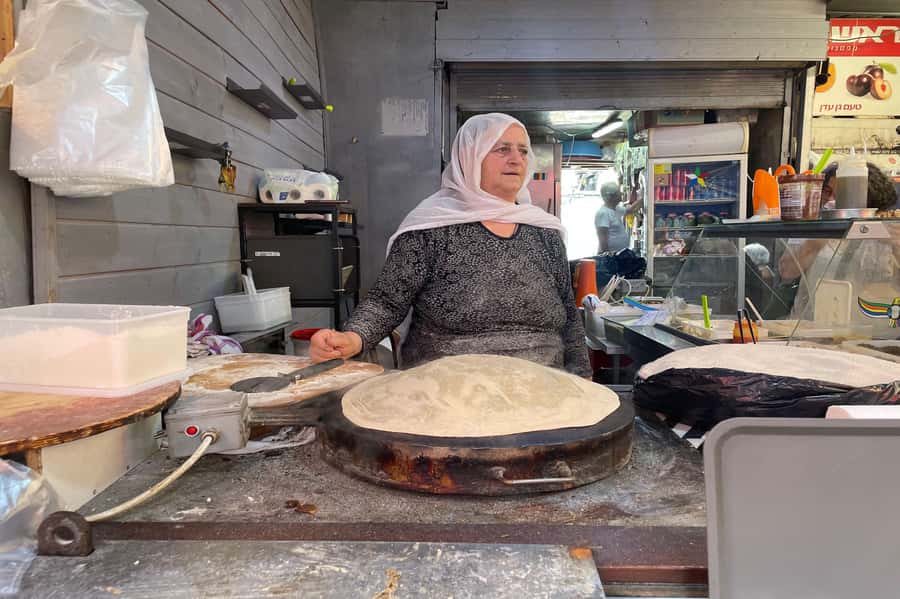
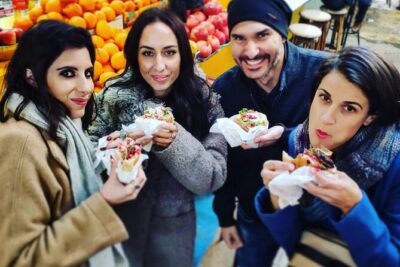
Malawach is one example highlighted on the walk. The flaky Yemenite pastry shows how a dish brought by immigrants can become part of the local food scene. Sabich offers another window into that story. Learning about these foods while standing among the market stalls gives the information a practical setting, rather than leaving it as a list of dates and names.
I like this approach because it helps you understand Tel Aviv from the ground up. Food is something you can see, smell, buy, and taste. It also gives you an easy way to keep exploring after the tour ends.
Choosing the food-tasting upgrade
The basic $39 tour does not include food or drinks. You can purchase products and refreshments as you walk, and the guide can help with translations. This option suits you if you want control over what you eat, need to watch your spending, or prefer to choose your own market treats.
The food-tasting upgrade makes the experience more structured. The tastings are equivalent to a lunch portion, so this is not just a token bite or two. If you are planning a full lunch around the tour, you should account for that when deciding whether the upgrade is worthwhile.
There is no single best choice. I would choose the tasting option if you want the food side of the tour handled for you and would rather sample several items without guessing what to order. I would skip it if you enjoy browsing markets independently or have dietary preferences that make spontaneous tastings less appealing.
Drinks are not included, even with the standard tour information provided here, so carry water. Tel Aviv can be sunny, and the practical advice to bring sunscreen and a hat is worth following.
Pastel buildings and Yemenite character
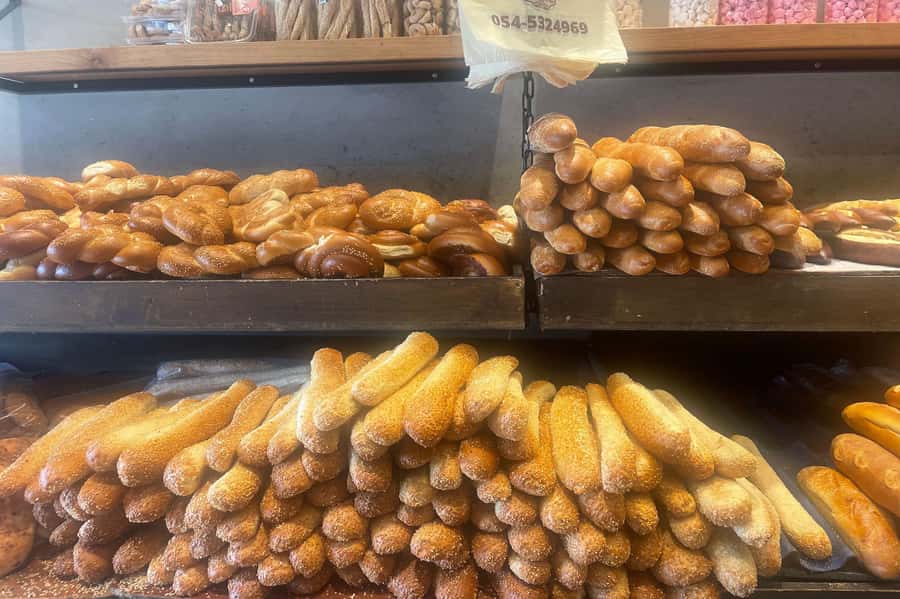
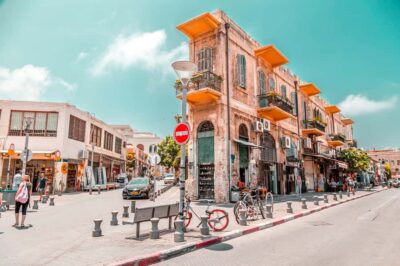
The walk is not only about shopping. You also pass cobblestone streets lined with pastel-colored buildings, with the nearby Yemenite neighborhood adding a distinct local character to the route.
The Yemenite connection matters because it ties the market’s food traditions to a neighborhood setting. Instead of treating malawach as an isolated dish, the tour helps place Yemenite influence within the surrounding streets and food culture. That gives you a clearer sense of how immigrant communities affected daily life in Tel Aviv.
The buildings and narrow streets also provide a change of pace from the market stalls. Carmel can demand your attention with color, smell, and movement, while the quieter architectural details invite you to look upward and around. The guide points out distinctive Bauhaus architecture, an important part of Tel Aviv’s visual identity.
The tour does not present a long architectural visit with interior access. Think of the Bauhaus discussion as part of a walking overview. If architecture is your main reason for visiting Tel Aviv, you may want a longer specialist tour as well. If you want food, streets, and buildings in one short outing, this balance works well.
More Shopping Tours in Tel Aviv
- Tel Aviv Food Tour of the Carmel Market
★ 4.0 · 29 reviews - Carmel Market Tasting Tour
★ 5.0 · 25 reviews - Tel Aviv: 2-Hour Carmel Market Tour in English with Lunch
★ 4.8 · 23 reviews - Tel Aviv: 2-Hour Levinsky Market Tour with Full Lunch
★ 4.7 · 10 reviews
Nachalat Binyamin, crafts, and street art
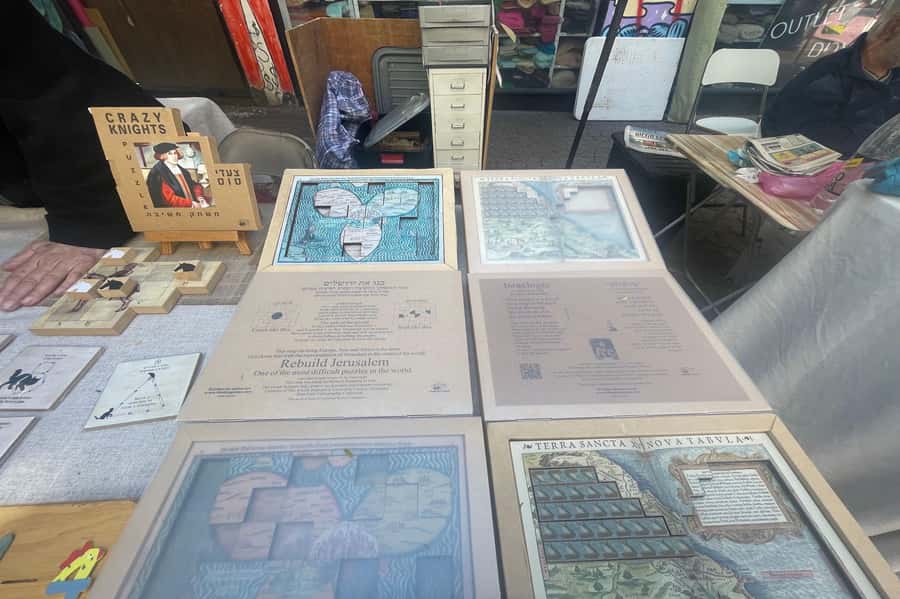
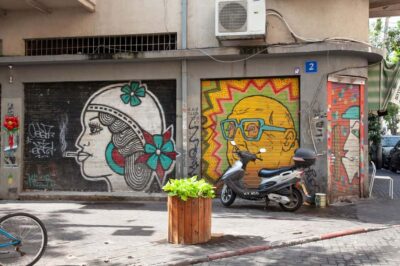
The route continues into or around Nachalat Binyamin, a district known for street art and local crafts. This section gives you a broader view of the area beyond the food market.
I like the contrast. Carmel Market shows the working, buying, and eating side of Tel Aviv. Nachalat Binyamin adds handmade objects, murals, and creative street life. Together, they make the tour feel like a neighborhood walk rather than a single-market visit.
Your guide may point out less obvious details in and around the district, but the supplied information does not promise a fixed list of shops, artworks, or craft stalls. That is a good reason to treat this part as guided orientation rather than a guaranteed shopping itinerary. You will gain a sense of where to return, then have time to explore or buy products with help.
The free shopping time is a useful feature. You are not forced to rush from one stop to the next while the guide talks. You can ask for a translation, check a product, or decide what to purchase. Still, 90 minutes passes quickly, so keep your buying focused if you want to hear the full commentary.
What the guide adds to the experience
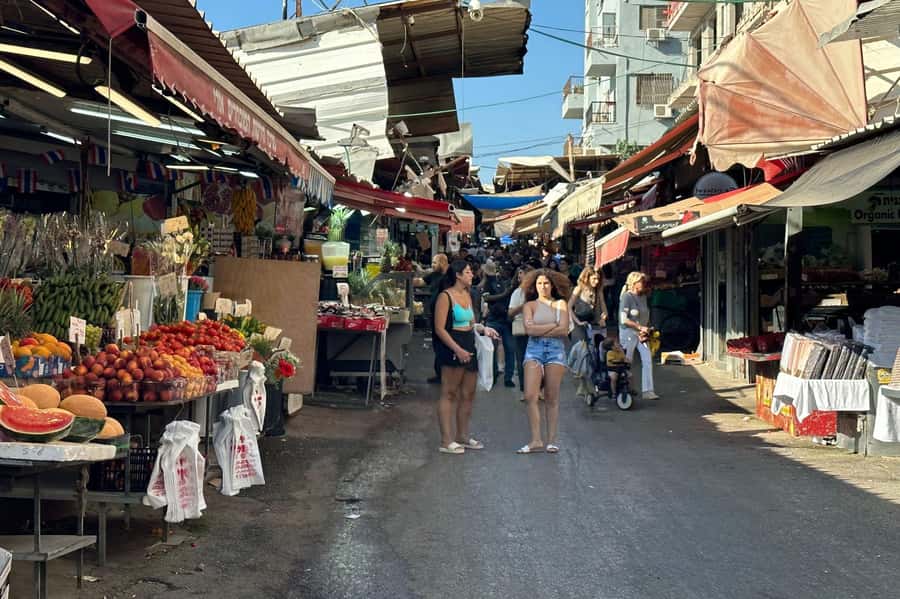
A market is easy to visit on your own, but it is not always easy to understand. You can walk past spices, pastries, and prepared dishes without knowing their place in local culture. The guide’s role is to connect those items with the history of immigration and the daily life of Tel Aviv.
The strongest praise available for this experience goes to Katya. A verified January 2026 review describes her as an exceptional guide who made the visit lively and tied it closely to Israeli history. That is exactly the kind of guide this walk needs: someone who can keep the pace moving while explaining why the market matters.
Because the tour is in English, you can ask questions and receive explanations without relying on signs or guesswork. Translation help also matters at the point of purchase, when you may want to know what a product is or how to communicate with a vendor.
The group can reach 15 people, so do not expect a private conversation with the guide every minute. Even so, the limit is modest for a city walking tour. If you want the best chance to hear everything, stay near the guide and ask questions during the market pauses.
How much value do you get for $39?
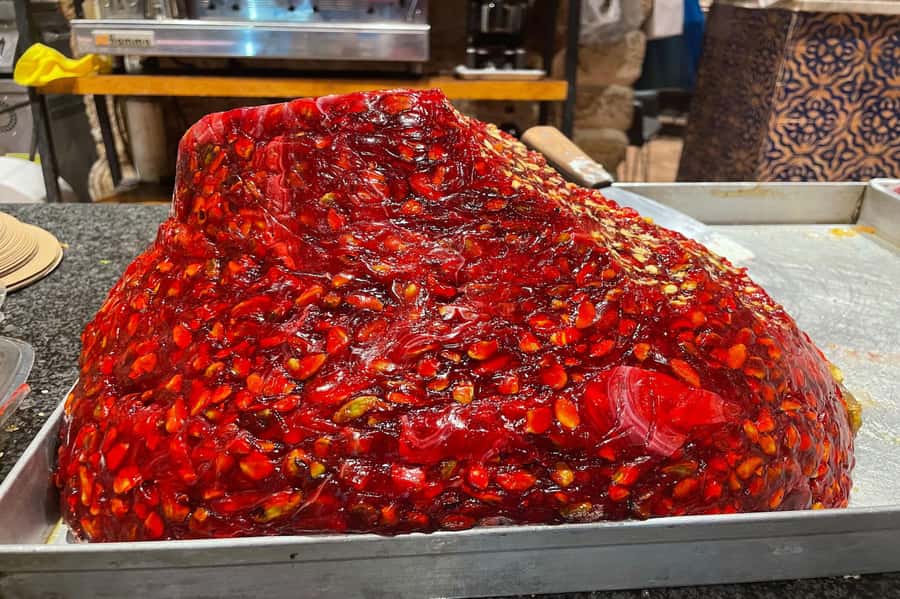
At $39 per person, the tour is priced above a self-guided walk but below a private experience. The value comes from three things: a local guide, cultural explanation, and help navigating purchases.
If you already know Carmel Market well, or if you mainly want to browse without a schedule, you may find the price harder to justify. You can visit the market without paying an admission fee, and the basic tour does not include food.
For a first visit, the price is easier to defend. You receive 90 minutes of guided orientation, a compact introduction to the market and nearby districts, explanations of immigrant food traditions, and time to shop. Pricing is lower per person when two or more people book together, which makes it more attractive for couples, friends, and families.
The food-tasting upgrade changes the calculation. Since the included tastings equal a lunch portion, you are paying not only for commentary but also for a substantial food experience. Compare the upgrade with what you would likely spend buying lunch on your own. If you value choice and flexibility more than a set tasting, stay with the basic option.
Timing, weather, and physical comfort
The tour lasts 90 minutes and runs rain or shine. Check the available starting times when booking, then consider how the walk fits around meals and the hottest part of the day.
Bring water even if you plan to buy a drink. A hat and sunscreen are sensible, and comfortable shoes are essential. The route is short in distance, but market lanes can be crowded and surfaces may be uneven.
The activity is not described as fully accessible for people with mobility issues. Anyone with mobility concerns must be accompanied by an active companion. Infants aged 0 to 1 are free, while children and infants must be accompanied by at least one paying adult.
This is a good outing for solo visitors, couples, families with older children, and anyone who wants a quick cultural introduction. It may be less suitable if you dislike food markets, need a fully predictable indoor route, or want a long, detailed architecture lecture.
What I would do before and after the walk
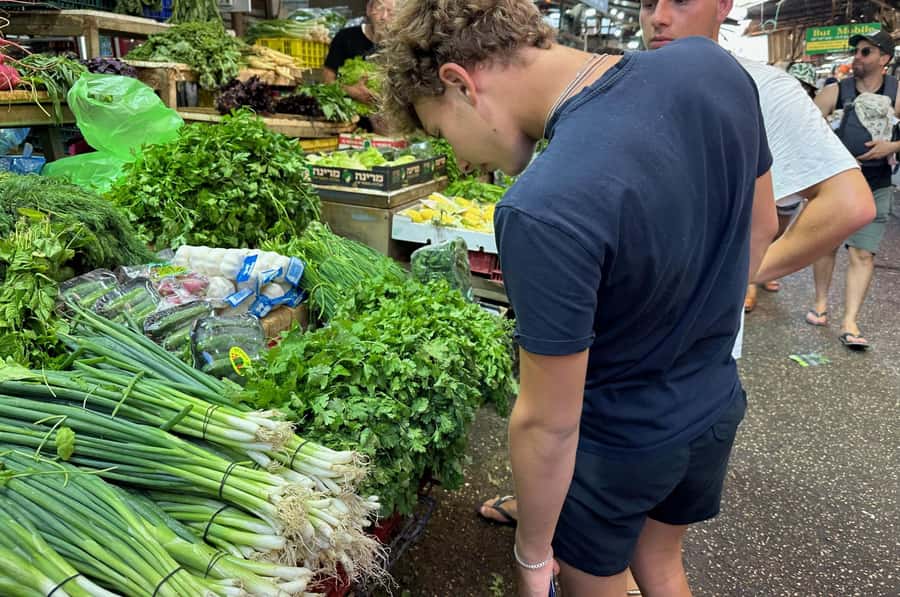
Before the tour, eat lightly if you are taking the food-tasting upgrade. If you are not, arrive ready to buy something, but do not spend all your appetite before the guide explains the dishes.
During the walk, keep some time for questions. Ask about the food you see, the immigrant communities connected with the dishes, and the buildings around the market. The guide can also help translate while you shop, so wait before making purchases if you want advice.
Afterward, you can return to Carmel Market or Nachalat Binyamin with a better sense of what you are seeing. The tour is short enough to fit into a larger day in central Tel Aviv, and the meeting point makes it practical to pair with other city activities. The information provided does not include transportation arrangements, so plan to reach the Poli House meeting point independently.
Should you book the Carmel Market walking tour?
Book it if you want more than a quick stroll through market stalls. The best reasons are the food history, the Yemenite influence, the Bauhaus and neighborhood context, and the guide’s help with translations and purchases.
I would especially recommend it for a first visit to Tel Aviv, for anyone curious about how immigration shaped local food, and for people who enjoy learning while they eat. Katya’s strong January 2026 review gives the guiding a welcome boost, though the overall rating is based on only three reviews, so I would not treat it as a large statistical sample.
Skip it if your priority is an entirely self-directed market visit or if you do not want to pay extra for tastings. For most first-time visitors, however, $39 is a sensible price for a compact introduction to Carmel Market, Nachalat Binyamin, and the surrounding streets. Add the food option if lunch and guided sampling are central to your plans.
FAQ
How long is the Carmel Market and Neighborhood Walking Tour?
The tour lasts 90 minutes.
Where does the tour meet?
Meet on the corner outside the Poli House hotel, at the junction of Carmel Market and Allenby Street.
What language is the tour conducted in?
The live tour guide speaks English.
Is food included in the tour price?
Food is not included in the basic tour. You may purchase food and drinks during the walk, or choose the food-tasting upgrade.
What does the food-tasting upgrade include?
The upgrade includes food tastings equivalent to a lunch portion.
How far do you walk?
The tour covers about 1 kilometer, or 0.6 miles.
What should I bring?
Bring comfortable shoes, a hat, sunscreen, and water.
Can I cancel the tour for a refund?
Yes. You can cancel up to 24 hours in advance for a full refund. You can also reserve now and pay later.
More Carmel Market Tours
- Levinsky Market Tasting Tour
★ 5.0 · 8 reviews - Tel Aviv: Carmel Market Food Tasting Tour “Shuk Hacarmel”
★ 4.0 · 8 reviews - Tel Aviv: Carmel Market Food Tasting Tour “Shuk Hacarmel”
★ 5.0 · 5 reviews
More Walking Tours in Tel Aviv
- Walking Tour of Akko (Half-day)
★ 5.0 · 84 reviews - Tel Aviv: Jaffa Half-Day Walking Tour
★ 4.5 · 70 reviews - Tel Aviv: Florentin Saturday Walking Tour
★ 3.5 · 65 reviews - Best of Tel Aviv and Jaffa Walking Tour – 1 Day
★ 4.5 · 53 reviews
Just added around Tel Aviv
- 4-Day Christian Israel Tour from Tel Aviv★ 5.0 · 3 reviews
- Palm Sunday in Jerusalem: Mass at Bethpage and Via Dolorosa Procession with Transport from Tel Aviv★ 5.0 · 3 reviews
- Tel Aviv to Tel Aviv Airport (TLV) – Departure Private Transfer★ 5.0 · 3 reviews
- Masada and Dead Sea from Tel Aviv★ 4.5 · 3 reviews
- Jerusalem and Dead Sea Tour from Tel Aviv★ 4.5 · 3 reviews
- Private Transportation From / To Ben Gurion Airport to Tel Aviv Hotels★ 5.0 · 3 reviews
- Holyland Tour :Jerusalem & Bethlehem from Jerusalem or Tel Aviv★ 5.0 · 3 reviews
- Jaffa Flea Market Tasting Tour★ 5.0 · 3 reviews
Carmel Market Tours, compared.

Browse the lists this tour appears in