
Review · PRIVATE
Exclusive Private Tour in The Israel Diamond Exchange
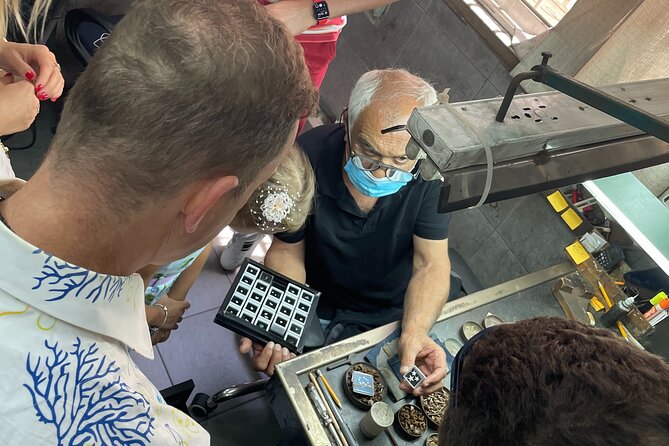
Diamonds look different from the inside. This private visit to Israel’s Diamond Exchange takes you past the shop counter and into a working diamond complex, where you can see cutting, polishing, computer tools, trading, and gemology explained in person. I like the rare access to the trading hall and the chance to watch parts of the industry at work. I also like the practical lesson on the famous four Cs, especially if you may buy jewelry during your time in Israel.
The main consideration is security. You need your passport, cameras are not allowed, and entering the complex can take some patience. The experience is listed at $60 per person, with pickup and drop-off from Tel Aviv and nearby areas, making it a strong value for anyone curious about diamonds, but less appealing if you only want a quick shopping stop.
In This Review
- Five things to know before you go
- Why this Tel Aviv area tour feels different
- Pickup from Tel Aviv and the security entrance
- Inside the Israel Diamond Exchange
- The Tech Area and the business behind each stone
- Hand cutting and polishing in the factory
- The largest trading hall and live transactions
- The gemology lesson and the famous four Cs
- Buying diamonds or jewelry directly
- How the $60 price measures up
- Who should book this private experience
- Practical advice for a smoother visit
- Should you book the Israel Diamond Exchange tour?
- FAQ
- Where is the tour located?
- How much does the tour cost?
- How long is the tour?
- Is pickup included?
- What language is the tour offered in?
- Do I need to bring my passport?
- Can I bring a camera?
- Can I buy a diamond or jewelry during the visit?
Five things to know before you go
- You enter a working diamond complex: This is more than a jewelry showroom, with access to technical, manufacturing, trading, and educational areas.
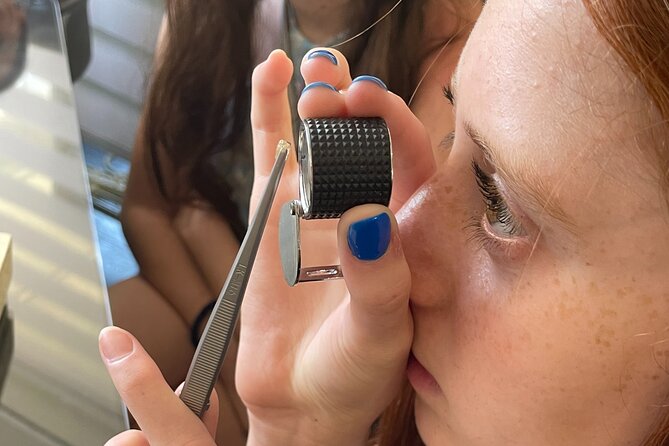
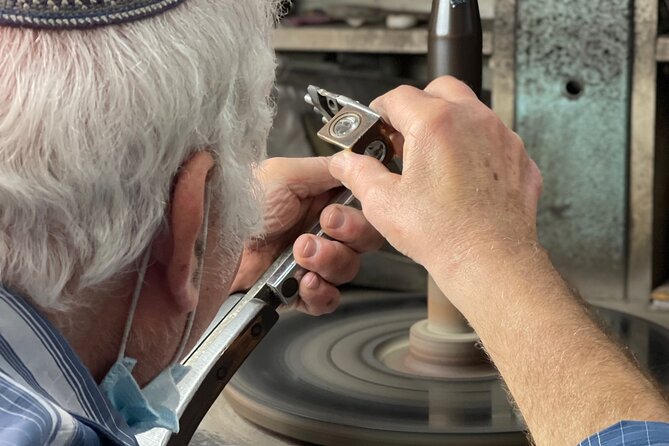
- The cutting is still done by hand: You may see the careful manual work behind the polished stones.
- The trading hall brings the business to life: The tour explains how diamonds are traded while transactions take place.
- You need your passport and cannot bring a camera: Security is part of the experience, so prepare before pickup.
- French-language help may be available: Michael provided information in French for one group, though the advertised tour language is English.
- You can buy directly: The gemology lesson gives you useful questions to ask before purchasing a diamond or jewelry.
Why this Tel Aviv area tour feels different
Many jewelry experiences begin with finished necklaces and rings under bright lights. This one starts much earlier in the process. You are taken into the Israel Diamond Exchange in the Central District, described as the largest diamond complex in the world, and shown how the trade works behind the retail display.
That difference matters. A polished diamond can seem simple when it sits in a case, but the tour lets you see the people, machinery, software, and decisions behind it. You are not just told that diamonds pass through many stages. You get a guided look at several of those stages.
The experience is also private. That can make a major difference in a specialist setting. You can ask questions without waiting for a large group to move along, and the guide can adjust the explanation to your interest. If you know little about diamonds, you can ask for the basics. If you already shop for jewelry, you can focus on quality, pricing, and buying choices.
The activity is advertised as lasting three days, but the supplied information explains this as a validity period for checking available starting times, not a three-day sightseeing program. You should read it as a visit scheduled within that period, rather than three full days inside the exchange.
A few more Tel Aviv trips worth weighing up
- From Tel Aviv: Masada & Dead Sea Full Day Tour with Pick Up
★ 4.5 · 1,496 reviews - From Tel Aviv: Jerusalem and Bethlehem Guided Day Trip
★ 4.3 · 1,316 reviews - Masada and the Dead Sea Day Trip from Tel Aviv
★ 4.5 · 1,014 reviews
Pickup from Tel Aviv and the security entrance
Pickup and drop-off are included from a chosen location in Tel Aviv and surrounding areas. A cab collects you at the scheduled time, and the taxi information is sent directly to you. That takes away some of the guesswork, especially if you are not familiar with the exchange’s exact entrance.
Bring your passport. It is required to enter the complex, so do not leave it at your accommodation. The security rules also prohibit alcohol, drugs, weapons, sharp objects, sprays, and aerosols. Cameras are not allowed, which is an important point for anyone who likes to document every stop.
Security may slow your arrival. One private tour became less pleasant during this stage because getting through the checks took time, although the guides helped move the process along. I would treat this as part of entering a secure commercial complex, not as a flaw in the tour itself, but you should arrive ready for a formal check.
The camera rule deserves special attention. Do not plan on photographing the trading floor, machinery, or stones. The best way to remember the visit is to listen closely and take notes later, once you are outside and permitted to do so.
Inside the Israel Diamond Exchange
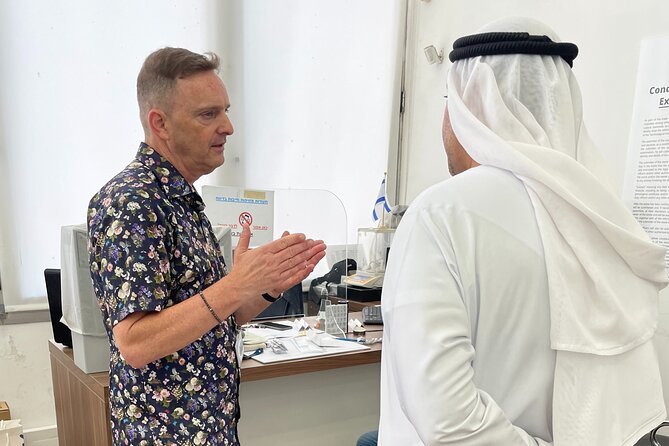
Once you are admitted, the first explanation covers the history of diamonds and introduces the scale of the complex. This opening gives you a basic frame for the rest of the visit: diamonds are not simply found, cut, and placed in a shop window. They move through a chain of technical and commercial decisions.
The guide’s role is important here. The strongest part of the experience is not a dramatic sight or a famous monument. It is the ability of the guide to explain a specialized world in ordinary language. French-speaking visitors had Michael provide information in French during one visit, but English is the listed tour language, so you should request language details when booking if that matters to you.
This is a good stop for curious shoppers because it changes how you look at jewelry afterward. You may begin noticing the difference between a sales pitch and a useful explanation. You also get a clearer idea of why two stones that appear similar in a case can carry different prices.
The Tech Area and the business behind each stone
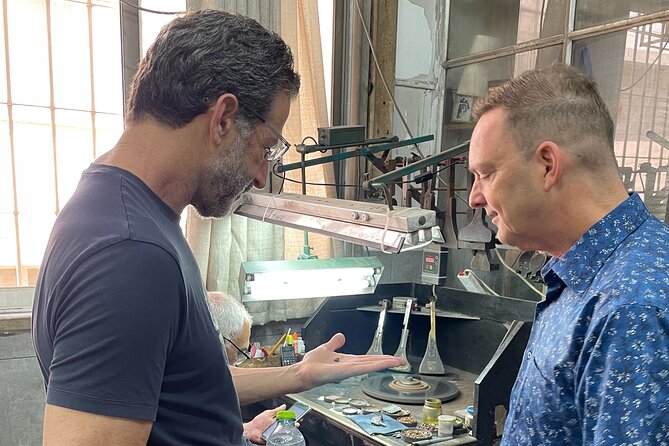
The Tech Area shows how professionals use specialized computers to improve their profits. That may sound less glamorous than a diamond cutting table, but it is one of the more useful parts for anyone interested in the modern trade.
The computers reveal that diamond work is not only about hand skill and visual judgment. Business decisions matter too. Professionals must assess stones, work out how best to use them, and make choices that affect the final return. The exact software or process is not specified, so you should expect a guided glimpse rather than a full technical training session.
I like this stop because it adds balance. The tour does not present diamonds as pure romance. It also shows an industry concerned with efficiency, cost, and profit. If you are buying jewelry, that commercial side helps explain why a diamond’s price reflects more than its size.
A completely different sort of day out of Tel Aviv:
- Tel Aviv: Jerusalem, Bethlehem & Dead Sea
★ 4.0 · 881 reviews - From Tel Aviv: Jerusalem Old & New City Bus Tour
★ 4.2 · 824 reviews - From Tel Aviv: Guided Day Trip to Nazareth & Sea of Galilee
★ 4.4 · 824 reviews - From Tel Aviv: Caesarea, Haifa and Akko Day Trip
★ 4.4 · 744 reviews
Hand cutting and polishing in the factory
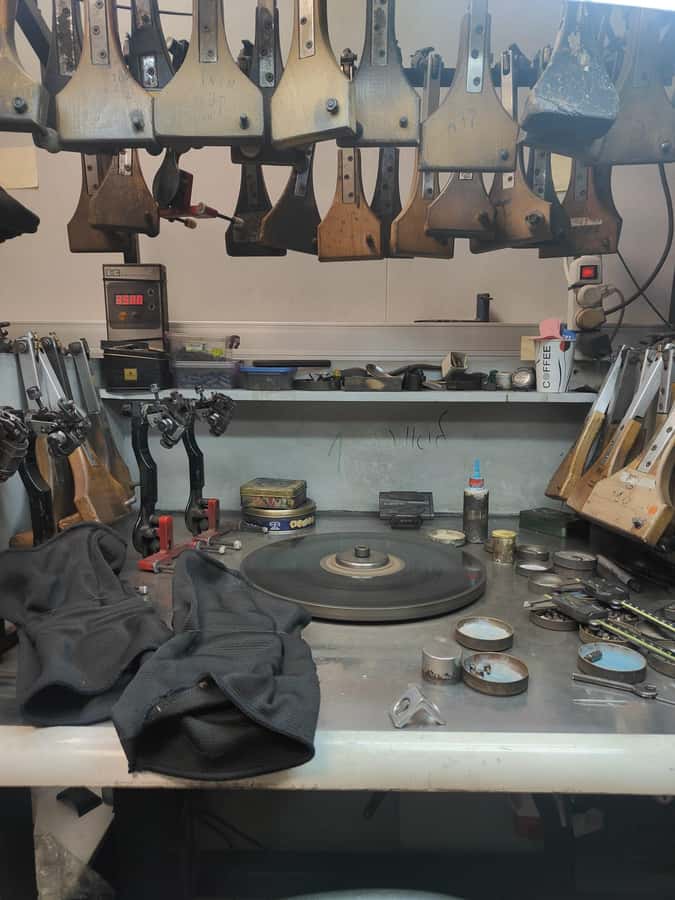
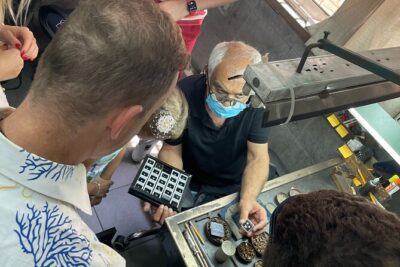
The cutting and polishing factory brings you closer to the physical work. Here you get a glimpse of how rough diamonds become finished stones, including the fact that some of the work is still done by hand.
That detail gives the factory real value. Computers can help professionals assess and maximize a stone, but a human hand remains part of the process. Cutting requires care because a wrong decision can affect the stone’s appearance and value. The visit does not promise that you will see every stage or handle diamonds yourself, so keep your expectations measured. You are observing the work, not taking a workshop.
For me, this is likely to be the most memorable section for visitors who enjoy craft. The trading hall explains the market, while the factory shows the patience and physical skill behind the product. Together, the two stops make the diamond industry feel less mysterious.
The factory is also a useful reminder that a finished diamond is the result of choices. Shape, polish, proportions, and clarity do not appear by accident. Seeing the process can make a jewelry purchase feel more informed and less like a decision based only on sparkle.
The largest trading hall and live transactions
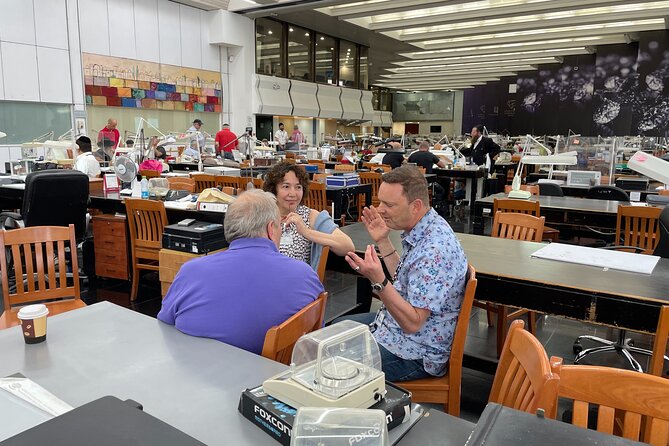
The trading hall is the tour’s most unusual stop. You learn how diamonds are traded while seeing transactions take place in real time. That gives the visit a sense of immediacy that a museum display cannot provide.
The exact trading system is described as unique, and the guide explains how people in the hall conduct business. You should not expect a public show or a theatrical auction. This is a working commercial environment, and the interest comes from observing a specialized process that most shoppers never see.
Because cameras are prohibited, you will need to pay attention to the guide and the activity around you. That restriction can be frustrating, but it also keeps the visit focused on observation rather than taking pictures. Ask questions when appropriate, especially if you want to understand how the trading process connects with the price of jewelry in a shop.
This stop is best for people who enjoy business, negotiation, and behind-the-scenes access. If you prefer only design and fashion, the factory or gemology lesson may hold more appeal.
The gemology lesson and the famous four Cs
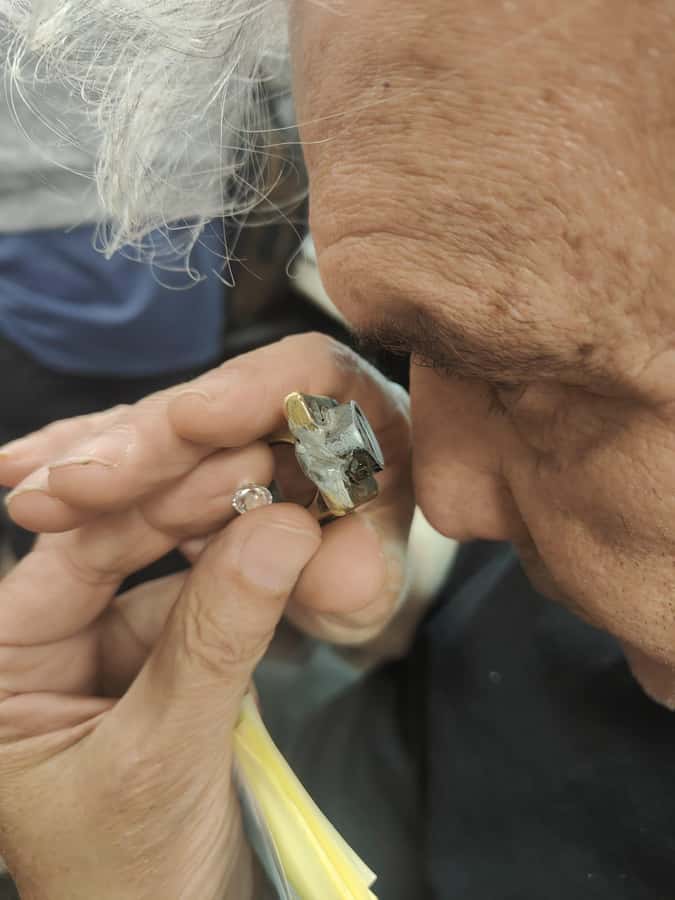
The gemological lesson is the practical heart of the tour. Professionals explain what to look for when purchasing diamonds, including the four Cs: cut, color, clarity, and carat weight.
You may have heard these terms before, but hearing them explained in the place where diamonds are traded gives them more weight. The lesson can help you compare stones with better questions instead of relying on size or a sales assistant’s enthusiasm. It also gives you a framework for understanding why a smaller stone can cost more than a larger one.
The four Cs are only the starting point. The description promises additional advice, though it does not list every subject covered. Use the private format to ask about the points that matter to you. If you are thinking about a ring, ask about the balance between appearance and value. If you are browsing without plans to buy, ask how professionals inspect a stone.
This is also where you should slow down. A diamond purchase can turn an interesting tour into a costly decision. The lesson is useful, but you should still take your time and never feel obliged to buy.
Buying diamonds or jewelry directly
You have the opportunity to purchase diamonds or jewelry first hand. That is a significant part of the experience, but it changes the visit from simple sightseeing to a possible shopping appointment.
The tour’s education helps you approach the purchase with more confidence. You can look at the stone, ask about the four Cs, and use the terms from the lesson to guide the conversation. Still, education does not mean every purchase is automatically a bargain. Compare what you are offered with your budget and priorities, and buy only if the item suits you.
I would book this experience even if you are only curious, but I would decide before arrival whether you are interested in shopping. That keeps the day clear in your mind. You can enjoy the complex without feeling that you must leave with a diamond.
For couples considering an engagement ring, the tour may be especially useful. One person can learn about the technical side while the other considers the design. For casual shoppers, the chance to buy directly is best treated as an option, not the main reason to come.
How the $60 price measures up
At $60 per person, the tour offers more than transportation to a jewelry store. Pickup and drop-off, refreshments, access to several areas, a live English-speaking guide, and the gemology lesson are included.
The value depends on your interests. If you are fascinated by diamonds or are considering a purchase, the price is reasonable because you are paying for access and explanation, not just a viewing platform. The private group format also adds value, since specialist questions are easier to ask when you are not part of a large crowd.
If diamonds do not interest you, the price may feel less attractive. This is not a general Tel Aviv sightseeing tour, and the main subject remains the diamond trade from beginning to end. You will not be visiting a range of unrelated city attractions.
Refreshments are included, but they are a small extra rather than a reason to book. The real value lies in the working areas, the guide’s explanations, and the chance to understand a purchase before spending serious money.
Who should book this private experience
I would recommend it to:
- Couples considering a diamond or jewelry purchase
- Visitors interested in manufacturing and traditional craft
- Business-minded people curious about trade and negotiation
- Repeat visitors to Tel Aviv looking for something unusual
- Anyone who prefers private tours and direct questions
- French-speaking visitors who can confirm whether Michael or another French-speaking guide is available
I would be more cautious if you dislike security checks, cannot carry your camera, or want a relaxed sightseeing stop with lots of photographs. The entrance rules are firm, and the subject is specialized.
The tour is wheelchair accessible, which makes it suitable for visitors who need step-free access, although you should still share any specific requirements when arranging pickup.
Practical advice for a smoother visit
Keep your passport ready and check your belongings before the cab arrives. Remove prohibited items such as sprays, aerosols, sharp objects, weapons, alcohol, and drugs, and do not bring a camera.
Give yourself a calm frame of mind for security. The process can be annoying, but the guides help visitors through it. Once inside, listen carefully because you will not be able to rely on photographs later.
Bring questions about the four Cs, buying directly, cutting, polishing, and trading. A private tour works best when you use the guide’s time for the things you genuinely want to understand.
The advertised language is English. If you need French, ask in advance about guide availability. Michael provided French explanations for one visit, but that should not be treated as a guaranteed daily service.
The experience allows free cancellation up to 24 hours before the scheduled visit, and you can reserve without paying immediately. Those policies give you some flexibility if your Tel Aviv plans are still shifting.
Should you book the Israel Diamond Exchange tour?
Book it if you want access to a side of Israel that most sightseeing programs skip. The combination of a working exchange, hand cutting and polishing, live trading activity, and a practical gemology lesson is unusual. At $60 per person, the package offers good value for a private, specialist visit, especially if you are considering a jewelry purchase.
Skip it if you want photographs, open-air sightseeing, or a broad introduction to Tel Aviv. The passport requirement and security rules are real inconveniences, and the diamond focus will not suit everyone.
For the right person, this is a memorable way to understand what sits behind the sparkle. Go with questions, keep your camera at home, and treat the buying opportunity as optional. That approach lets you enjoy the access without turning an interesting visit into a pressured shopping trip.
FAQ
Where is the tour located?
The experience takes place at the Israel Diamond Exchange in Israel’s Central District, with pickup and drop-off available from selected locations in Tel Aviv and surrounding areas.
How much does the tour cost?
The listed price is $60 per person.
How long is the tour?
The activity is listed as valid for three days. You should check the available starting times when booking, since the information does not describe a three-day tour lasting continuously over three days.
Is pickup included?
Yes. A cab picks you up at the scheduled time, and the taxi information is sent directly to you.
What language is the tour offered in?
The advertised live tour language is English. French information was provided by Michael during one visit, so ask about French-language availability when arranging the tour.
Do I need to bring my passport?
Yes. A passport is required to enter the Israel Diamond Exchange complex.
Can I bring a camera?
No. Cameras are listed among the items not allowed inside the complex.
Can I buy a diamond or jewelry during the visit?
Yes. You have the opportunity to purchase diamonds or jewelry directly, after learning about the four Cs and other buying considerations.
Just added around Tel Aviv
- 4-Day Christian Israel Tour from Tel Aviv★ 5.0 · 3 reviews
- Palm Sunday in Jerusalem: Mass at Bethpage and Via Dolorosa Procession with Transport from Tel Aviv★ 5.0 · 3 reviews
- Tel Aviv to Tel Aviv Airport (TLV) – Departure Private Transfer★ 5.0 · 3 reviews
- Masada and Dead Sea from Tel Aviv★ 4.5 · 3 reviews
- Jerusalem and Dead Sea Tour from Tel Aviv★ 4.5 · 3 reviews
- Private Transportation From / To Ben Gurion Airport to Tel Aviv Hotels★ 5.0 · 3 reviews
- Tel Aviv: Carmel Market & Neighborhood Guided Walking Tour★ 4.7 · 3 reviews
- Holyland Tour :Jerusalem & Bethlehem from Jerusalem or Tel Aviv★ 5.0 · 3 reviews
Private, compared.

JERUSALEM private tour with ELAD VAZANA – Life in Israel & Palestine Then & Now
Read our review →
Palestine Revealed: 2-Day Private Tour from Jerusalem
Read our review →
Exclusive Private Tour in The Israel Diamond Exchange
Read our review →
Bethlehem Half Day Private Tour – Pick up from Jerusalem/Tel Aviv/Ashdod
Read our review →
Private Tour: Best of Jerusalem and the Dead Sea from Tel Aviv
Read our review →
Browse the lists this tour appears in