
Review · MASADA & EIN GEDI TOURS
From Tel Aviv: Masada, Ein Gedi and Dead Sea Day Tour
Desert history meets salty water. This full-day trip from Tel Aviv gives you three very different experiences in one long outing: the clifftop ruins of Masada, the springs and waterfalls of Ein Gedi, and a swim at a private Dead Sea beach. I especially like the wide range of scenery and the fact that an expert guide adds historical context instead of leaving you to wander among the ruins without explanation.
I also like the practical door-to-door setup, with pickup and drop-off from Tel Aviv or Jerusalem in an air-conditioned vehicle. Guides such as Tana, Yaniv, and Yawl have been praised for their clear, friendly explanations. The main drawback is the pace: this is a big day, and some stops can feel rushed, while Masada may take more time than some people expect.
In This Review
- Key points at a glance
- Why this day trip works from Tel Aviv
- Masada: a palace above the Dead Sea
- Ein Gedi: water, palms, and short hikes
- The Dead Sea stop: floating time at a private beach
- What the $99 price really covers
- The guide can shape the whole day
- How demanding is the day?
- Who should book this tour?
- FAQ
- Where does the tour depart from?
- What is included in the tour price?
- Are the entrance fees included?
- Is food included?
- What language is the tour in?
- What should I bring?
- Will I visit Ein Gedi on every departure?
- How much time will I have at the Dead Sea?
- Can I cancel the booking?
- Should you book it?
Key points at a glance
- Three sharply different stops: Masada gives you desert archaeology, Ein Gedi brings waterfalls and springs, and the Dead Sea supplies time in the water.
- Masada costs extra: The entrance fee, including the cable car, is 77 ILS and is not included in the tour price.
- Ein Gedi requires walking: David Waterfall, Arugot Stream, the spring, and the Chalcolithic Temple are reached around hiking trails.
- The Dead Sea stop uses a private beach: Entry costs 35 ILS, with facilities for swimming, floating, mud, and souvenirs.
- The total day can be tiring: Early pickup, heat, walking, long driving sections, and several scheduled stops make this better for active visitors.
- The route can change: A road closure led one group to Ein Fashkha instead of Ein Gedi, so the exact program is not completely fixed.
Why this day trip works from Tel Aviv
The Dead Sea area is far enough from Tel Aviv that visiting independently takes planning, transport, and careful timing. This tour handles the transfers and connects three major sights in one day, which is its central value.
You are not simply visiting one attraction and returning. You move from a fortified mountain plateau to a freshwater reserve and then to the lowest saltwater setting in the region. That contrast is what makes the day memorable, even if the schedule leaves little room for lingering.
The transport is by air-conditioned vehicle, a welcome feature in the Judean Desert. One practical warning: a guide received praise for being caring and well prepared, but the same account found the bus air conditioning too cold. Bring a light layer for the ride, even if the day outside is hot.
Pickup is available from Tel Aviv or Jerusalem. Since the tour returns you to your starting point, it is useful for visitors staying in either city who want to see the desert without arranging a rental car or separate transfers.
More Masada and Ein Gedi runs:
- From Tel Aviv: Masada & Dead Sea Full Day Tour with Pick Up
★ 4.5 · 1,496 reviews - Masada and the Dead Sea Day Trip from Tel Aviv
★ 4.5 · 1,014 reviews - From Tel Aviv: Masada, Ein Gedi & Dead Sea Tour
★ 4.2 · 705 reviews
Masada: a palace above the Dead Sea
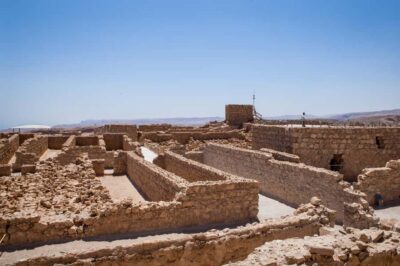
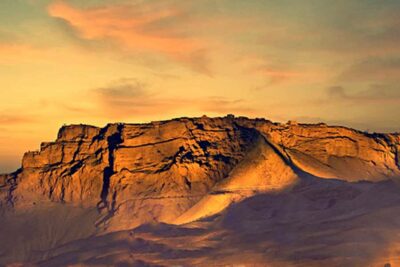
Masada is the first major sight and the historic centerpiece of the day. The site sits on an isolated plateau above the Dead Sea, surrounded by the stark Judean Desert. From the top, you look across dry ridges, open desert, and the salt lake below.
The ruins tell the story of a once-magnificent palace complex built high above the surrounding country. Your guide explains how the site functioned and why its position mattered. This is where a good guide makes a real difference. The stones and walls are impressive, but the story gives them purpose.
The tour description refers to hiking Masada, while the entrance cost includes the cable car. The provided information does not confirm how much of the ascent is done on foot or how each group uses the cable car, so you should expect some walking around the plateau at minimum. Comfortable shoes are essential.
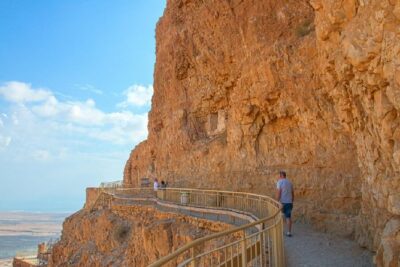
Masada is exposed, and July can be intensely hot. One visitor described the heat as severe but still felt the stop was worth it. Carry water, protect yourself from the sun, and avoid treating this as a light sightseeing stroll. The plateau is broad, and you may spend several hours there.
The timing is one point to consider carefully. Some groups found the Masada visit a little too long, especially when it included a lunch break of more than an hour. Another visitor wanted more time at Masada rather than moving on. That sounds contradictory, but it reflects the real issue: the tour gives Masada a large share of the day, yet the schedule may not let you choose exactly how to use that time.
If you enjoy ancient sites, dramatic views, and guided storytelling, Masada will likely be the strongest part of the outing. If you prefer a relaxed pace, the fixed schedule may feel tight.
Ein Gedi: water, palms, and short hikes
After Masada, the trip continues toward Ein Gedi Nature Reserve, a surprising green pocket in the desert. Springs rise from the mountainside and support vegetation that looks very different from the dry country around it.
The reserve includes David Stream and Arugot Stream. David Waterfall runs year-round and is reached by a hiking trail. Arugot Stream also flows throughout the year and offers a longer route for walkers. The exact amount of hiking time is important here, because you cannot see every part of the reserve properly if the stop is brief.
The En Gedi Spring is another key point. It feeds the surrounding plant life and gives you a close look at how water changes the character of this dry region. Nearby, you can see the remains of an ancient flour mill, a small detail that adds a human layer to the natural setting.
You may also visit Dodim Cave, a small cave at the head of David Waterfall, and the Chalcolithic Temple. These are not just extra names on a route. Together, they show that Ein Gedi combines water, wildlife habitat, older settlement, and walking trails in one compact area.
Bring shoes that can handle uneven paths. The tour specifically recommends comfortable footwear, and that advice matters more here than at Masada. You should also bring swimwear and a towel, though the information supplied does not promise that every water feature will be available for swimming.
There is one route issue to keep in mind. When the road to Ein Gedi was closed, one group was taken to Ein Fashkha instead. That alternative included time to swim and look around a resort, but only about half an hour was available. If Ein Gedi is the main reason you are booking, understand that road conditions can change the plan.
The Dead Sea stop: floating time at a private beach
The final major stop is free time at a private Dead Sea beach. Entry costs 35 ILS and is separate from the tour price. You should also expect to pay for food, drinks, and any souvenirs yourself.
The water is the main attraction. The high salt content lets you float, and the beach may also offer Dead Sea mud for a traditional spa-like experience. This is a pleasant way to finish a morning of ruins and hiking, since you can change pace and spend time in the water.
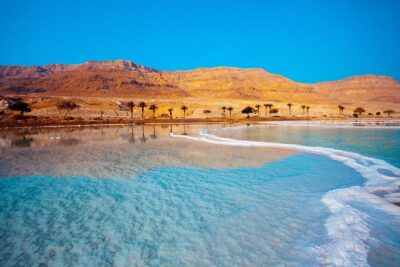
The beach used by one group was Kalia Beach, described as having good facilities. Still, you should not book this tour expecting the exact salt formations shown in every promotional photograph. One visitor specifically found the beach area different from the lower Dead Sea scenes with extensive salt islands and felt the images could create the wrong expectation.
That is an important distinction. The tour provides access to a private beach in the upper part of the salt lake area, not necessarily the famous photographic setting you may have seen online. You can float and use the mud, but the appearance of the shoreline may be more ordinary, and the water can be crowded.
Time at the beach can also feel short. One group had about an hour and a half, but ticket lines reduced the usable time. Another found the stop crowded but still enjoyed it. Arrive ready to change quickly, and keep your towel and swimwear easy to reach.
The tour asks you to bring a towel and swimwear. The supplied details do not state that towels are provided, so bring your own unless your booking confirmation says otherwise.
More ways to get down to the Dead Sea:
- Tel Aviv: Jerusalem, Bethlehem & Dead Sea
★ 4.0 · 881 reviews - Jerusalem and the Dead Sea from Tel Aviv
★ 4.5 · 444 reviews - From Tel Aviv: Jerusalem Old City & Dead Sea Guided Day Tour
★ 4.4 · 389 reviews - From Tel Aviv: Masada Sunrise, Ein Gedi, and Dead Sea Tour
★ 4.3 · 387 reviews
What the $99 price really covers
At $99 per person, this is not an all-in ticket. The tour price includes pickup and drop-off, an air-conditioned vehicle, and an expert English-speaking guide. It does not include the entrance fees or food and drinks.
The listed extra admission costs are:
- Masada, including cable car: 77 ILS
- Ein Gedi: 28 ILS
- Dead Sea private beach: 35 ILS
That adds 140 ILS per person before lunch, drinks, or souvenirs. The real cost is therefore noticeably higher than the headline price, but the value depends on how you compare it.
For a visitor without a car, the tour bundles long-distance transport, three major stops, and historical interpretation into one day. That can be good value, especially if you would otherwise need to arrange separate buses, taxis, or transfers. The guide is a particularly useful part of the cost at Masada, where the story behind the ruins is central to the visit.
If you already have a car and want to spend a full morning at Masada, a long hike at Ein Gedi, and an unhurried afternoon at the Dead Sea, independent travel may give you more control. This tour is built around convenience and coverage, not a slow pace.
Bring cash. One person specifically advised having it available, which is sensible for admission fees and small purchases. The tour allows you to reserve now and pay later, and cancellation is available up to 24 hours before departure for a full refund. These policies make it easier to keep plans flexible.
The guide can shape the whole day
The guide is one of the most praised parts of the experience. Tana was credited with detailed historical explanations, while Yaniv was described as a strong guide who helped make the day enjoyable. Yawl also received praise for giving a clear account of the places visited.
That matters because the day covers subjects that need context: the palace at Masada, the ancient remains at Ein Gedi, and the unusual natural conditions of the Dead Sea. A good guide can connect those pieces and make the stops feel like one coherent journey rather than three unrelated photo stops.
The strongest praise focused on guides who were friendly, well prepared, passionate, and able to explain different historical viewpoints. That last point is useful at Masada, where the story is more meaningful when you hear more than a list of dates and ruins.
The guide also manages the group and the clock. Punctuality helped one group get enough time at each stop, while other accounts found the schedule rushed. Your experience will depend partly on the day’s traffic, road conditions, group timing, and how long you want to stay at each place.
How demanding is the day?
This is a long and active outing. Masada involves walking and exposure to the sun, Ein Gedi uses hiking trails, and the Dead Sea requires changing and moving between the beach and facilities. You should be comfortable with a full day outdoors and with staying on a group schedule.
The tour is not described as suitable only for young people, but one person felt it was best for younger visitors or older people who are fit. I would take that as useful advice rather than a formal rule. If you have limited walking ability, ask the provider for current details before booking, since the supplied information does not explain accessibility or the precise walking distances.
Heat is another factor. Masada in July can be very hot, while the vehicle may feel cool. Comfortable shoes, swimwear, and a towel are listed as essentials. I would also make sure water and sun protection are easy to access, though the tour details do not specify what is supplied.
Who should book this tour?
I would choose this tour if you are based in Tel Aviv or Jerusalem and want to see the Dead Sea region without handling transport yourself. It suits first-time visitors who want a strong overview, enjoy guided history, and accept that three major stops require a firm schedule.
It is also a good match for people who want variety. You get a dramatic archaeological site, a nature reserve with running water, and a chance to float in the Dead Sea, all in one day.
I would hesitate if your main goal is a long Ein Gedi hike, a quiet beach afternoon, or several unhurried hours at Masada. The route may change, the beach may be crowded, and lines or lunch breaks can reduce your time at the places you most want to enjoy.
FAQ
Where does the tour depart from?
Pickup and drop-off are available from Tel Aviv or Jerusalem.
What is included in the tour price?
The price includes pickup and drop-off, an air-conditioned vehicle, and an expert English-speaking tour guide.
Are the entrance fees included?
No. Masada costs 77 ILS, including the cable car, Ein Gedi costs 28 ILS, and the private Dead Sea beach costs 35 ILS.
Is food included?
No. Food and drinks are not included in the tour price.
What language is the tour in?
The tour is conducted in English.
What should I bring?
Bring comfortable shoes, swimwear, and a towel.
Will I visit Ein Gedi on every departure?
The planned route includes Ein Gedi Nature Reserve, but road closures can cause a change. One group visited Ein Fashkha instead when the road to Ein Gedi was closed.
How much time will I have at the Dead Sea?
The exact timing can vary. One group had about an hour and a half, although time was also spent waiting to buy entry tickets.
Can I cancel the booking?
Yes. You can cancel up to 24 hours in advance for a full refund, and you can reserve the tour and pay later.
Should you book it?
Book this tour if you want a convenient, guide-led introduction to Masada, Ein Gedi, and the Dead Sea, and you are willing to accept a long day with extra entrance fees. The strong guide reports, varied stops, and included transport make the $99 starting price reasonable for visitors without their own vehicle.
Skip it if you want complete control over your timing or if one particular stop matters more than the others. For most active first-time visitors, though, this is an efficient and memorable way to trade Tel Aviv’s city streets for desert cliffs, freshwater springs, and a floating finish.
Just added around Tel Aviv
- 4-Day Christian Israel Tour from Tel Aviv★ 5.0 · 3 reviews
- Palm Sunday in Jerusalem: Mass at Bethpage and Via Dolorosa Procession with Transport from Tel Aviv★ 5.0 · 3 reviews
- Tel Aviv to Tel Aviv Airport (TLV) – Departure Private Transfer★ 5.0 · 3 reviews
- Masada and Dead Sea from Tel Aviv★ 4.5 · 3 reviews
- Private Transportation From / To Ben Gurion Airport to Tel Aviv Hotels★ 5.0 · 3 reviews
- Jerusalem and Dead Sea Tour from Tel Aviv★ 4.5 · 3 reviews
- Tel Aviv: Carmel Market & Neighborhood Guided Walking Tour★ 4.7 · 3 reviews
- Holyland Tour :Jerusalem & Bethlehem from Jerusalem or Tel Aviv★ 5.0 · 3 reviews
Masada & Ein Gedi Tours, compared.
Masada & Dead Sea Full Day Tour with Pick Up
Read our review →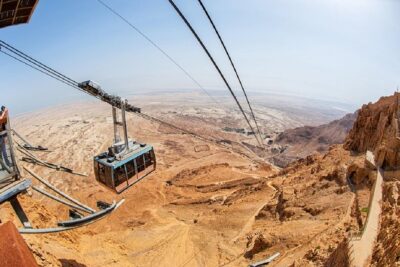
Masada and the Dead Sea Day Trip from Tel Aviv
Read our review →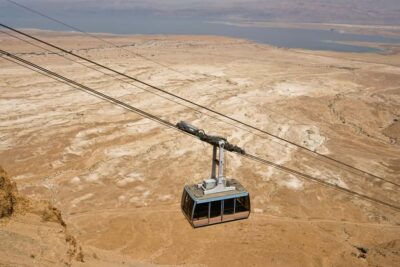
Masada and the Dead Sea Day Trip from Jerusalem
Read our review →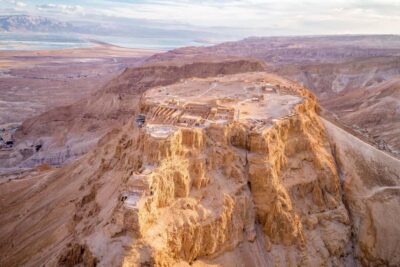
Masada, Ein Gedi, and The Dead Sea from Tel Aviv
Read our review →Browse the lists this tour appears in