
Review · JERUSALEM TOURS
Jerusalem: Best of Jerusalem Day Tour
Jerusalem rewards a well-planned day. This tour links the Old City’s major sights with modern streets, quiet Nahlaot, and Mahane Yehuda Market, giving you a useful first look at both sides of the city. I like the clear route from Jaffa Gate to the Western Wall and Church of the Holy Sepulchre, and I like that the day ends with time for food and shopping at the shuk. The main drawback is the pace: this is a walking-heavy sightseeing day, not a slow pilgrimage.
You should also know that the experience is listed as a 10-hour tour, but one booking account described an ending at about 2pm. Confirm the exact schedule before you pay, especially if you want long visits inside the holy sites. Modest clothing is required, and the Old City includes stairs, slopes, and uneven walking.
In This Review
- Key points at a glance
- From the David Citadel Hotel to Jaffa Gate
- Three hours inside Jerusalem’s Old City
- The Western Wall
- The Via Dolorosa
- The Church of the Holy Sepulchre
- Jaffa Street, the Municipality Complex, and Nahlaot
- Two hours at Mahane Yehuda Market
- How much walking should you expect?
- Is $69 good value?
- What kind of Jerusalem day does this create?
- Should you book this Jerusalem tour?
- FAQ
- Where does the tour meet?
- How long does the tour last?
- Which Old City sites are included?
- Is Mahane Yehuda Market always included?
- What should I wear?
- Is the tour suitable for people with limited mobility?
Key points at a glance
- Three very different Jerusalems: The route moves from the ancient Old City to modern Jaffa Street, then into the market lanes of Mahane Yehuda.
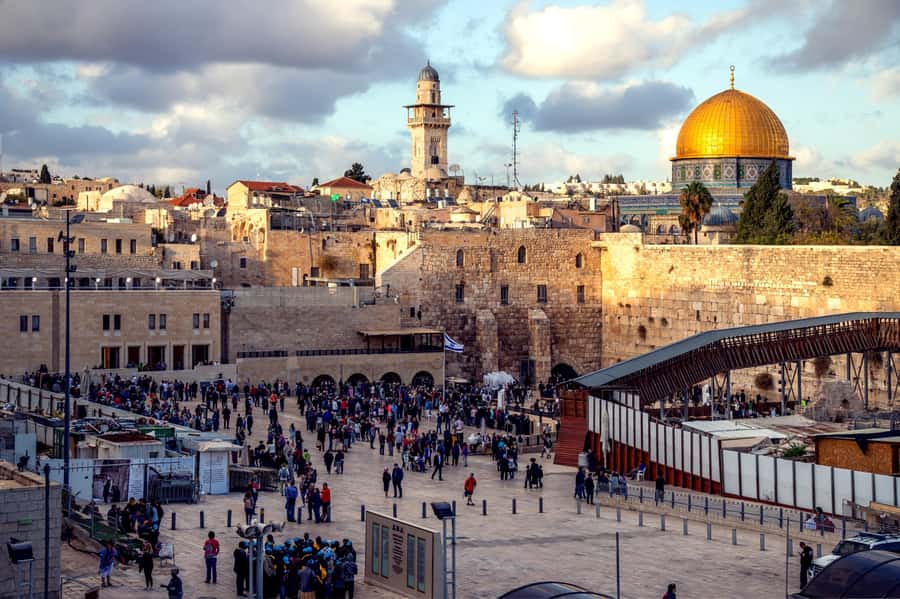
- Major Christian and Jewish sites: You visit the Western Wall, Via Dolorosa, and Church of the Holy Sepulchre in one outing.
- Nearly 10 kilometers on foot: Expect stairs, hills, and plenty of standing, especially in the Old City.
- A guide adds useful context: The guide explains the gates, quarters, history, and religious meaning of the city.
- Market time is part of the appeal: Mahane Yehuda gives you a chance to browse, eat, bargain, and see daily Jerusalem life.
- Saturday route changes: When the market closes for Shabbat or a holiday, the tour follows an alternative route through several central landmarks.
From the David Citadel Hotel to Jaffa Gate
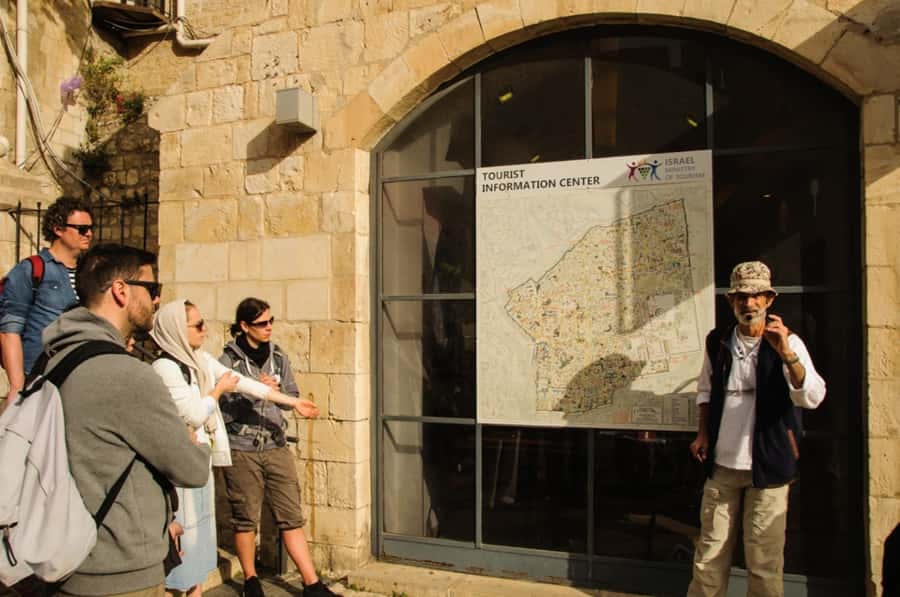
The meeting point is in front of the David Citadel Hotel. Look for the guide holding an orange Tourist Israel sign. That detail matters in a busy part of town, where several tour groups may gather near the same hotels and streets.
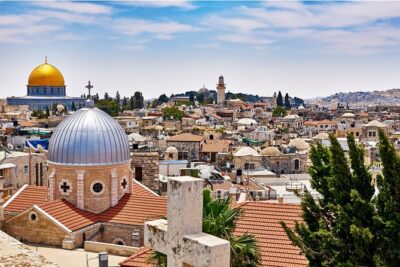
The day begins with the Old City, entered through Jaffa Gate. This is a sensible starting point because the gate places you close to the western side of the walled city and gives you an immediate sense of Jerusalem’s old and new sections sitting side by side.
Your guide should help you get oriented before the route narrows into the quarters. This is where the guide’s value becomes clear. Jerusalem’s gates, walls, streets, and religious sites can feel confusing on your first visit, and a good explanation can turn a maze into a story.
One especially praised detail was a guide taking time to explain the different Old City gates, answer questions, take photographs with guests’ own cameras, and even help place written notes in the Western Wall. Those small acts are useful on a full-day tour. They show attention to the personal side of the visit, not just a rush from one landmark to the next.
Guides named Gavri and Tour Guy are associated with particularly warm feedback for their care and explanations. You cannot assume which guide you will receive, but it is worth asking questions and speaking up if a point matters to you.
A few more Jerusalem trips worth weighing up
- From Jerusalem: Masada & Dead Sea Full Day Tour with Pick Up
★ 4.5 · 815 reviews - Masada and the Dead Sea Day Trip from Jerusalem
★ 4.5 · 757 reviews - From Jerusalem: Nazareth and Sea of Galilee Tour
★ 4.5 · 588 reviews
Three hours inside Jerusalem’s Old City
The Old City section lasts about three hours. That sounds generous until you consider how much ground the route covers and how many important places sit close together but demand time.
The first part takes you through the historic quarters and major lanes. The exact order can vary, but the central sights include the Western Wall, Via Dolorosa, and Church of the Holy Sepulchre.
The Western Wall
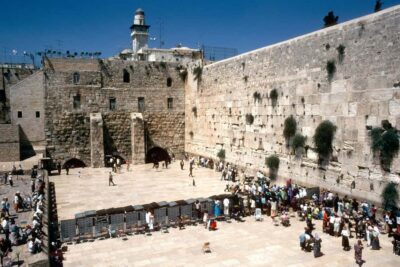
The Western Wall is one of the most important Jewish prayer sites in the world. Your guide can explain its place within the larger Temple Mount area and help you understand why the open plaza feels both public and deeply personal.
You may have time to approach the wall and place a written note in a crevice. Dress modestly, cover your shoulders and knees, and follow the local expectations at the prayer area. Keep in mind that this is an active religious place, not simply a photo stop. Your guide can help you behave respectfully.
The Via Dolorosa
The Via Dolorosa follows the traditional route associated with Jesus’ final journey through Jerusalem. It runs through narrow streets filled with shops, doorways, religious symbols, and everyday activity.
This is one of the places where the tour’s pace may feel brisk. The route is meaningful for Christian pilgrims, but it is also a working part of the Old City. You may find yourself moving through crowds, climbing steps, and pausing briefly rather than spending quiet time at every station.
A completely different sort of day out of Jerusalem:
- Nazareth and the Sea of Galilee Day Trip from Jerusalem
★ 4.5 · 446 reviews - From Jerusalem: Masada&Dead Sea Tour INCLUDING ENTRANCE FEES
★ 4.3 · 392 reviews - Jerusalem: Guided Walking Tour of the Old City
★ 4.7 · 386 reviews - Full Day City Tour of Jerusalem
★ 4.1 · 367 reviews
The Church of the Holy Sepulchre
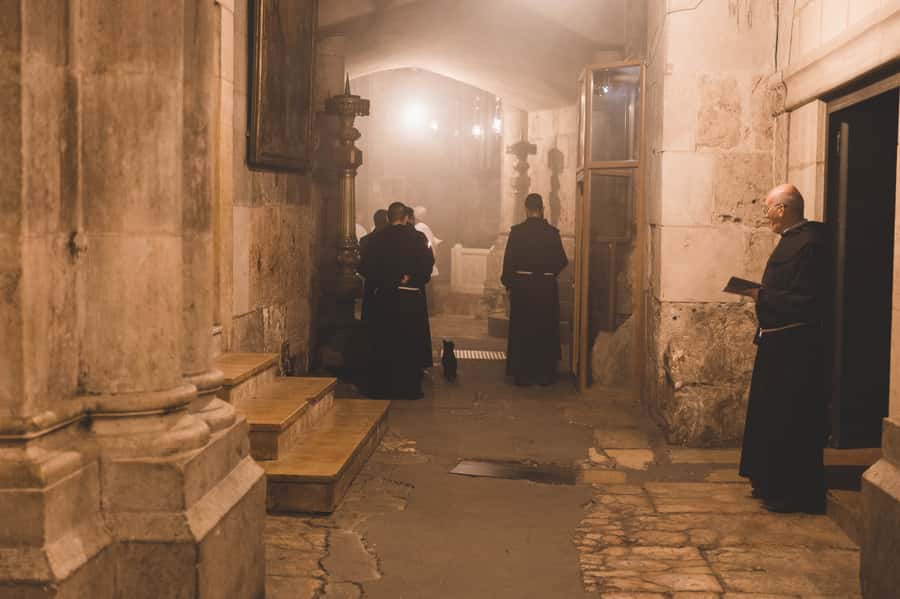
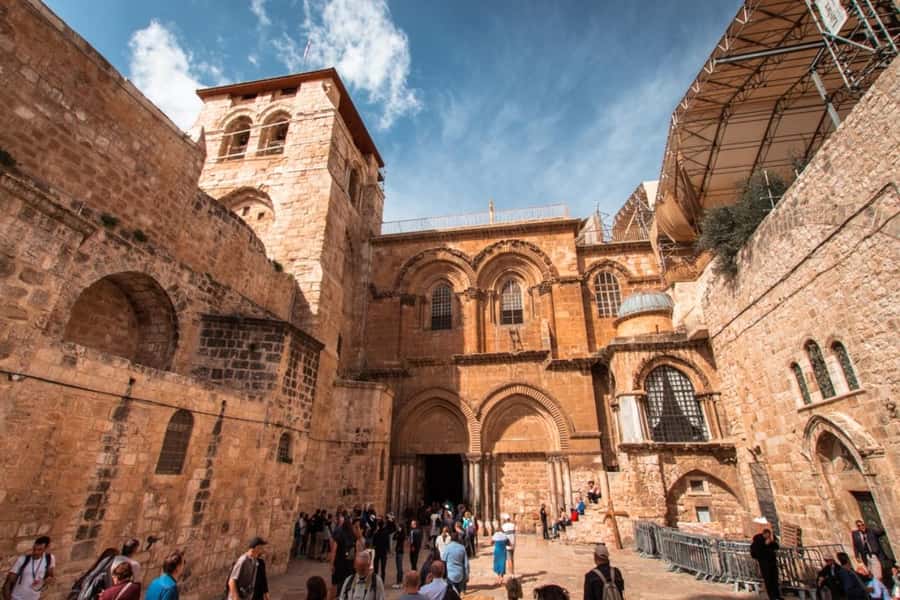
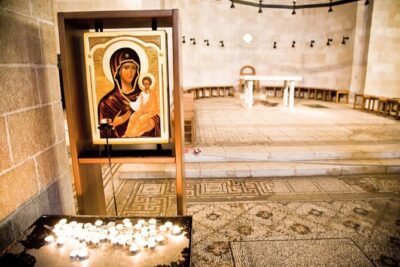
The Church of the Holy Sepulchre is the key Christian site on the route. It contains places associated with the crucifixion and resurrection, and it is shared by several Christian traditions.
The important practical point is that a sightseeing visit and a pilgrimage visit are not the same thing. The tour can take you to the church and explain its significance, but it may not allow enough time to wait in a long line or enter every area. One account described the group viewing the church without waiting for the resurrection cave, because the schedule did not include long queues.
If prayer or entering specific chapels is central to your visit, this tour may feel too fast. If you mainly want orientation and an explanation of the site, it provides a useful introduction. You can then return on your own with more time, if your schedule allows.
Jaffa Street, the Municipality Complex, and Nahlaot
After the Old City, the route shifts to modern Jerusalem. The walk from Tzahal Square toward the Municipality Complex helps you see how the city functions beyond its ancient walls.
Jaffa Street gives the day a different rhythm. You leave the tight lanes and religious focus of the Old City and move through a major urban artery. This part is valuable because Jerusalem is not only a collection of sacred sites. It is also a living city where people commute, shop, meet friends, and go about ordinary routines.
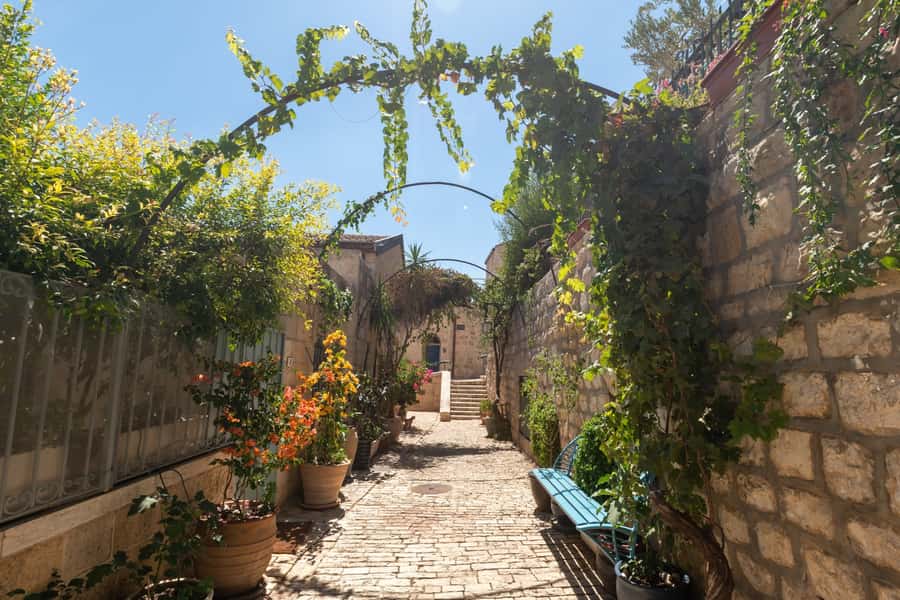
The tour then continues toward Nahlaot. This area offers a more residential view of Jerusalem and a break from the intensity of the Old City. You will still be walking, but the setting changes again, with smaller streets and a neighborhood feel before the final stop at Mahane Yehuda.
A guide can make this modern section more useful by pointing out how the city grew beyond the walls and how older neighborhoods fit into present-day Jerusalem. Do not expect a long stop at every street corner. The strength of this portion is the broad picture, not a detailed architectural study.
Two hours at Mahane Yehuda Market
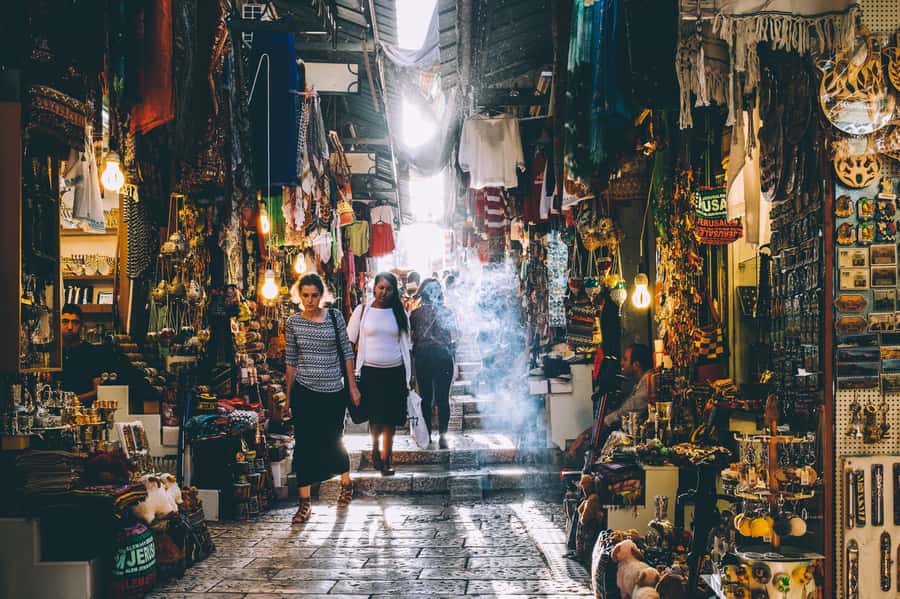
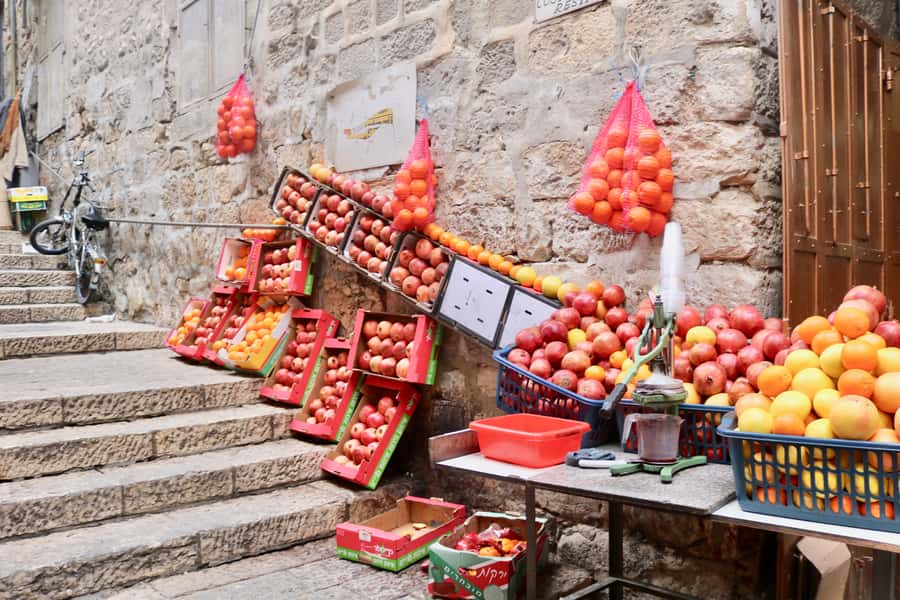
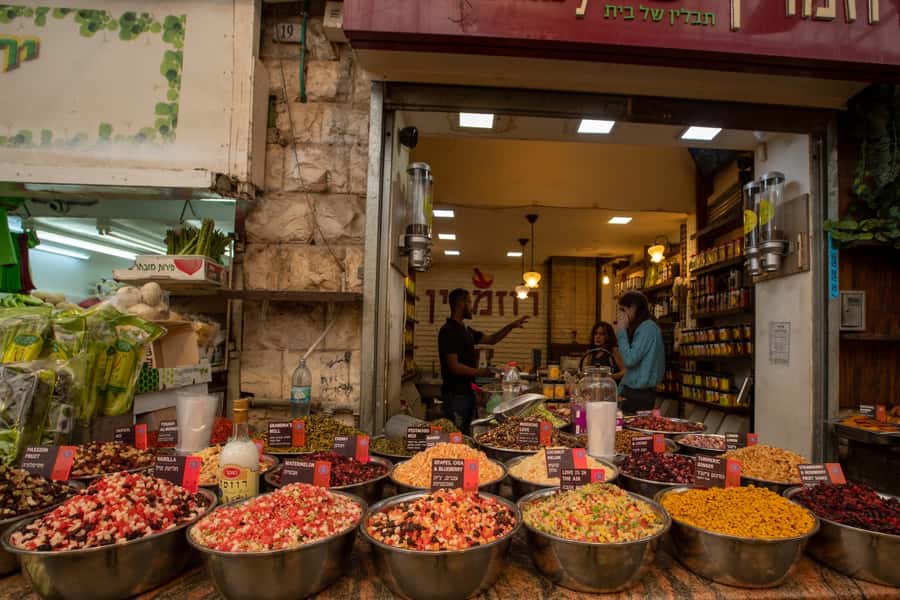
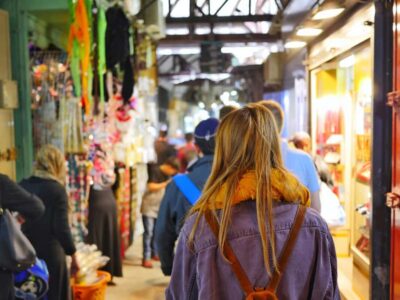
Mahane Yehuda Market is the natural finale. The market is known locally as the shuk, and it brings together produce stalls, prepared food, sweets, spices, and small shops. The tour allows about two hours here, which is enough time to browse without treating the market as a quick pass-through.
I like this stop because it gives you room to choose your own experience. You can look for lunch, pick up snacks, browse gifts, or simply watch the buying and selling around you. The market is also the best place on this route to experience Jerusalem through its everyday food culture rather than only through monuments.
Meals and drinks are not included, so budget separately for anything you eat. That is not necessarily a weakness. It lets you choose how much to spend and what appeals to you, though a first-time visitor may appreciate asking the guide for suggestions.
The feedback describes enough time for shopping, bargaining, and food experiences. That is a useful contrast with the Old City, where the schedule is tighter. If you enjoy markets, this final stop may be one of the most satisfying parts of the day.
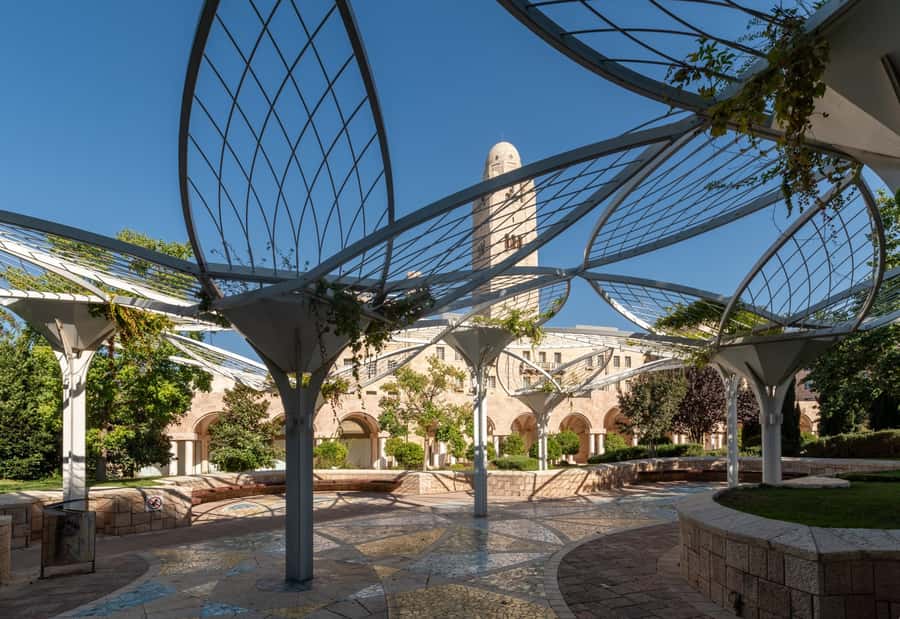
On Saturdays, Mahane Yehuda is closed. The alternative route includes the Sultan Pool, Mishkenot Sha’ananim, the Old Windmill, the YMCA, and the Russian Compound. This is not simply a shorter version of the market visit. It gives you a different look at Jerusalem, with historic neighborhoods and central landmarks replacing the food stalls.
The route can also change when the market closes for a holiday. Check the operating day before booking if Mahane Yehuda is your main reason for choosing this tour.
How much walking should you expect?
You should plan for a demanding day on foot. The Old City includes several sets of stairs, slopes, and uneven passages, and the complete route has been described as close to 10 kilometers.
This tour is not suitable for wheelchair users. It is also a poor match if you have limited mobility or want frequent seated breaks. Wear comfortable shoes, carry water, and avoid treating the day as an opportunity to dress up.
The clothing rule is important at the holy sites. Wear clothing that covers your shoulders and knees. That applies to all members of your group, and following it from the start is easier than trying to adjust clothing at the entrance to a religious site.
The physical effort affects the experience in another way: by the time you reach the market, you may be ready for a slower meal rather than more sightseeing. The plan works best when you accept that the day is active and save a quieter evening afterward.
Is $69 good value?
At $69 per person, the tour offers a lot of coverage for one day. You receive a guided route through the Old City, several major religious sites, a walk through modern Jerusalem, Nahlaot, and time at Mahane Yehuda. For a first visit, that range can save you the work of planning connections and deciding how to fit the main areas together.
The price does not include meals, drinks, or personal travel insurance. You should also think about the value of time. A guide helps you understand the city and keeps the route moving, but the schedule limits long visits inside the churches and prayer sites.
I would consider the price fair for an orientation day, especially if you have only one day in Jerusalem. It is less compelling for a returning visitor who already knows the Old City or for a pilgrim who wants unhurried time at each sacred place.
The guaranteed departure is helpful when your schedule is tight. The reserve-now, pay-later option also gives you flexibility, and cancellation is free up to 24 hours before departure. Those policies reduce the risk of committing early, though the physical demands and possible schedule variation still deserve attention.
What kind of Jerusalem day does this create?
This is a big-picture tour. You see the city’s major religious landmarks, then watch it change as you walk through modern streets and neighborhoods. That range is the main strength.
The guide matters greatly. A thoughtful guide can explain why the city matters to Judaism, Christianity, and other faith traditions, while also helping you understand daily life beyond the holy sites. Questions are welcome, and specific praise has gone to guides who explain details, handle small requests, and help with photographs.
The limitation is time. You may spend only a short period at an important church, and the Old City section can feel rushed if you want to pray, contemplate, or join a line. The market portion is more relaxed, but the day as a whole is still packed.
The tour is conducted in English. The route returns to the David Citadel Hotel, which makes the meeting and end points simple to manage if you are staying nearby or using that hotel as your city reference point.
Should you book this Jerusalem tour?
Book it if you want a strong first look at Jerusalem in one day, enjoy walking, and prefer a guide to explain the city as you go. It is especially useful if you want the Old City, modern Jerusalem, Nahlaot, and Mahane Yehuda included in one organized route.
Skip it if your main goal is extended prayer, long visits inside churches, or a gentle pace. In that case, use this kind of broad tour only as an introduction and plan separate time for the Western Wall and Church of the Holy Sepulchre.
Before booking, confirm the actual start and finish times, check whether Mahane Yehuda will be open, and wear modest clothing with strong walking shoes. If those conditions suit you, $69 buys a packed and practical introduction to Jerusalem’s ancient and contemporary sides.
FAQ
Where does the tour meet?
Meet in front of the David Citadel Hotel. The guide will hold an orange sign marked Tourist Israel.
How long does the tour last?
The experience is listed as lasting 10 hours. One booking account described the tour ending at about 2pm, so confirm the exact schedule and starting time before booking.
Which Old City sites are included?
The route includes the Western Wall, Via Dolorosa, and Church of the Holy Sepulchre, along with the Old City’s historic quarters and gates.
Is Mahane Yehuda Market always included?
Mahane Yehuda is included when it is open. On Saturdays, Shabbat closures, or holidays, the route changes to nearby stops including the Sultan Pool, Mishkenot Sha’ananim, the Old Windmill, the YMCA, and the Russian Compound.
What should I wear?
Modest dress is required at the Old City’s holy sites. Wear clothing that covers your knees and shoulders.
Is the tour suitable for people with limited mobility?
The tour includes extensive walking, hills, stairs, and uneven streets. It is not suitable for wheelchair users, and people who prefer a less active experience should choose another option.
Just added around Jerusalem
- jerusalem classic tour★ 5.0 · 3 reviews
- Jerusalem and the Dead Sea★ 5.0 · 3 reviews
- Private Walking Tour in Jerusalem’s Old City★ 5.0 · 3 reviews
- Jerusalem Running Tour-Experience the unique vibes of Jerusalem in your sneakers★ 5.0 · 3 reviews
- Jerusalem of 3 Religions in Russian★ 4.4 · 3 reviews
- Christian Jerusalem in Russian★ 5.0 · 3 reviews
- From Jerusalem: Masada Sunrise, Ein Gedi & Dead Sea★ 5.0 · 3 reviews
- Hebron & Ramallah Full-Day Guided Tour from Jerusalem★ 5.0 · 3 reviews
Jerusalem Tours, compared.

Masada and the Dead Sea Day Trip from Jerusalem
Read our review →
Nazareth and the Sea of Galilee Day Trip from Jerusalem
Read our review →
Browse the lists this tour appears in