
Review · JERUSALEM TOURS
Jerusalem: Meet the Orthodox Jews Tour
Look beyond Jerusalem’s familiar sights. This 150-minute walking tour offers a rare look at an ultra-Orthodox neighborhood, guided by someone who once belonged to the community. I like the honest access to everyday places such as bakeries, bookstores, clothing shops, synagogues, and yeshivas. I also like the open discussion of marriage, women’s roles, Sabbath rules, media, food, and modern Israeli society. The main drawback is that some locations cannot be entered, and street noise can make the guide harder to hear.
The experience costs $53 per person, which is a fair price for a small-group cultural tour led by an insider rather than a standard sightseeing guide. You should dress carefully, arrive ready for serious questions, and remember that this is a walking conversation, not a performance with a long list of formal attractions.
In This Review
- Key points to know before booking
- Why this Jerusalem walk feels different
- Meeting at Ha-Nevi’im Street 67
- Entering a neighborhood rarely visited by tourists
- The guide’s personal story is the tour’s strongest feature
- The subjects you will discuss along the way
- What you can see, and what you cannot enter
- Clothing and conduct in an ultra-Orthodox area
- Is $53 a good value for two and a half hours?
- Who should book this experience?
- Final verdict: book it for insight, not sightseeing
- FAQ
- Where does the tour meet?
- How long does the tour last?
- What language is the tour in?
- Is food included?
- What should I wear?
- Can I enter every place visited during the walk?
- What topics are discussed?
- What should I bring?
- Can I cancel the booking?
Key points to know before booking
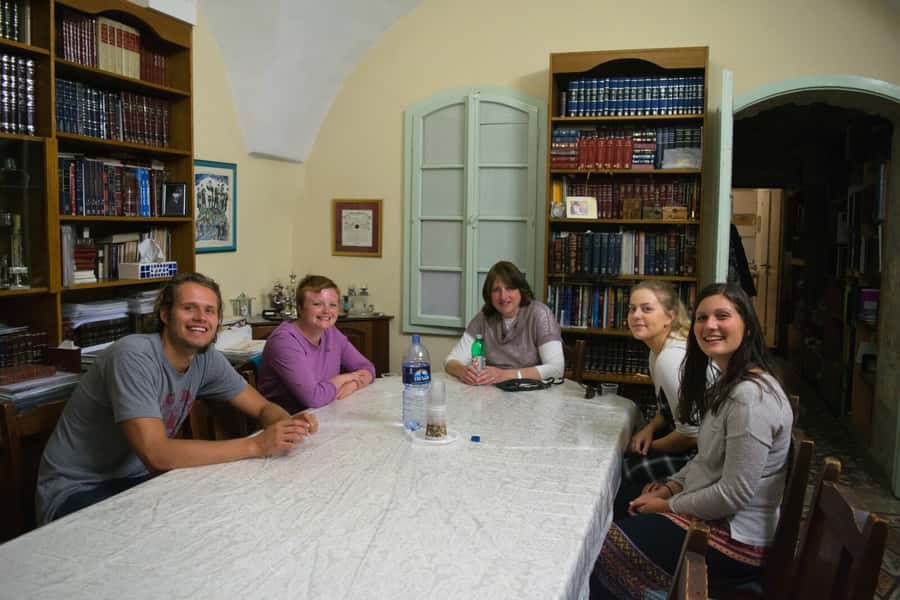
- A former community member leads the walk: Your guide explains ultra-Orthodox life from personal experience, including why he eventually left the community.
- The neighborhood is not arranged for tourism: You see ordinary streets, shops, religious sites, and daily routines rather than a staged cultural display.
- Some places remain off limits: You may view a synagogue, yeshiva, shop, or other site from outside because entry is forbidden by local custom.
- The discussion is the heart of the tour: Expect questions and conversation about marriage, women, charity, kosher food, phones, holidays, and Israel today.
- Modest clothing is required: Bring a scarf or shawl if needed, and avoid shorts, sleeveless shirts, and bare shoulders.
- Allow for a noisy walk: One participant wished for headsets, so stay close to the guide and pay attention when the streets get loud.
Why this Jerusalem walk feels different
Jerusalem offers no shortage of tours about ancient stones, biblical sites, and major religious landmarks. This experience takes a different route. It asks you to look at a living community whose customs shape ordinary decisions, from the clothes people wear to the food they buy and the way they observe the Sabbath.
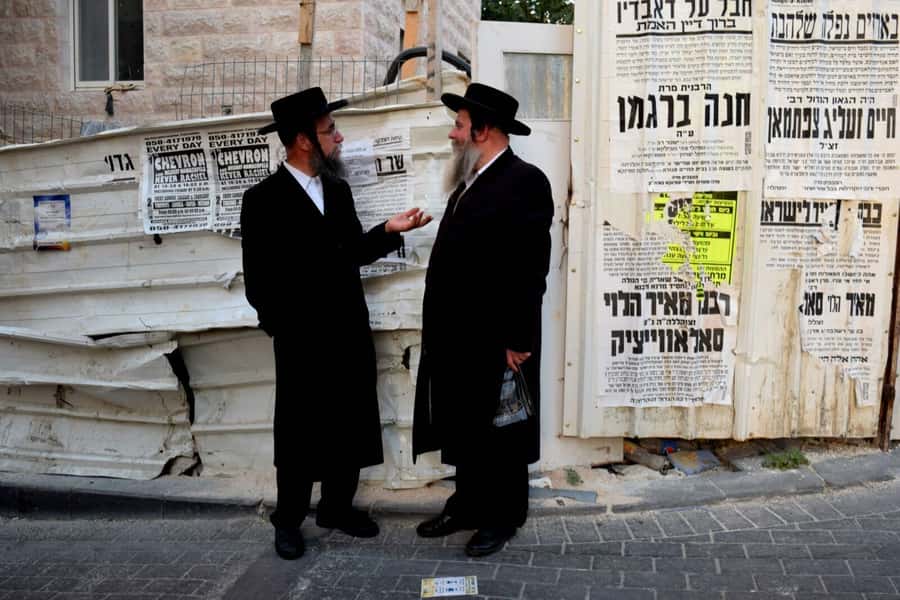
I value that focus because ultra-Orthodox Jews are often seen from the outside, especially in Jerusalem’s busy central areas. Their black clothing, distinctive hats, modest dress, and separate community institutions can be easy to notice but hard to understand. A guided walk gives you a chance to ask what those signs mean and how daily life works behind them.
The tour is led in English by a former member of the local ultra-Orthodox community. That background matters. A guide who grew up within the system can explain details that an outsider might miss, while leaving the community can provide a more questioning view. The tone, based on the information available, is intended to be open and sympathetic rather than promotional or hostile.
That balance is important. You are not simply being shown an unusual neighborhood. You are being asked to consider a community with its own values, limits, internal debates, and place in modern Israel.
A few more Jerusalem trips worth weighing up
- From Jerusalem: Masada & Dead Sea Full Day Tour with Pick Up
★ 4.5 · 815 reviews - Masada and the Dead Sea Day Trip from Jerusalem
★ 4.5 · 757 reviews - From Jerusalem: Nazareth and Sea of Galilee Tour
★ 4.5 · 588 reviews
Meeting at Ha-Nevi’im Street 67
The meeting point is the bus stop outside Abraham Jerusalem at Ha-Nevi’im Street 67. The hostel itself is currently closed, so do not rely on entering the building or finding the tour inside. Look for the bus stop outside instead.
This is a useful detail to settle before the day of the tour. A participant who arrived late was able to join after receiving a live location from the guide, but I would not count on that as a normal plan. Give yourself enough time to identify the stop and be ready when the walk begins.
The tour lasts 150 minutes, or two and a half hours. That is long enough for a proper discussion and a substantial walk, but short enough to fit into a full Jerusalem sightseeing day. You will not need private transport during the experience because the activity is a guided walk.
Bring water, a hat, and a camera. The tour does not include food or drinks, so plan refreshments before or after the walk. Jerusalem’s weather can make two and a half hours outdoors feel much longer, especially if you are not dressed for sun or walking.
Entering a neighborhood rarely visited by tourists
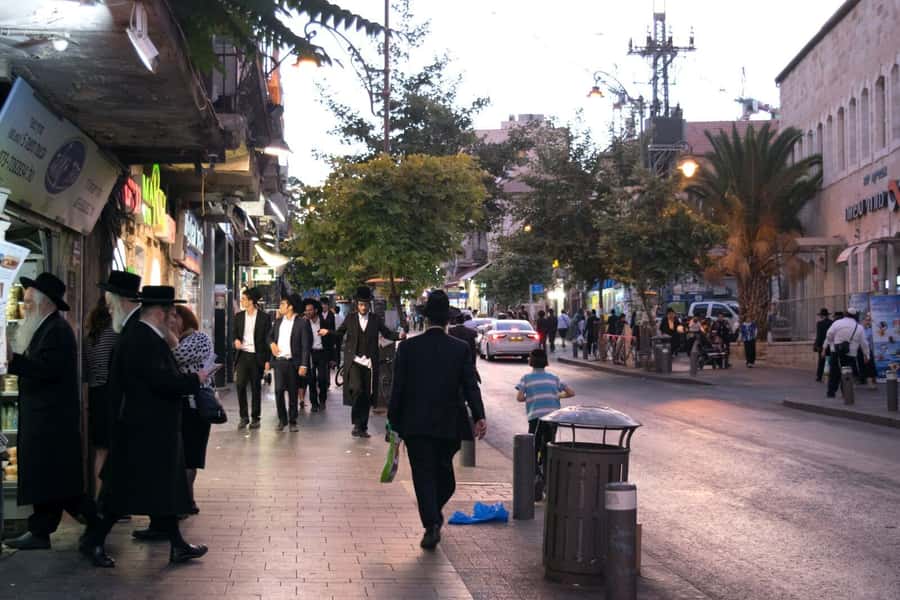
The first major benefit is the setting. You walk through a traditional ultra-Orthodox neighborhood that is not generally presented as a tourist attraction. That gives the experience a more ordinary feel than a museum visit or a formal presentation.
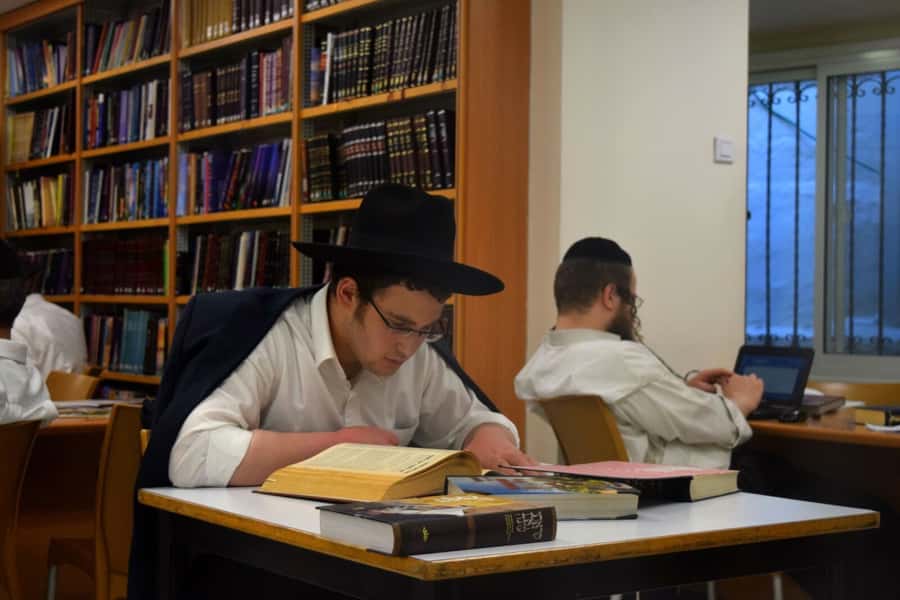
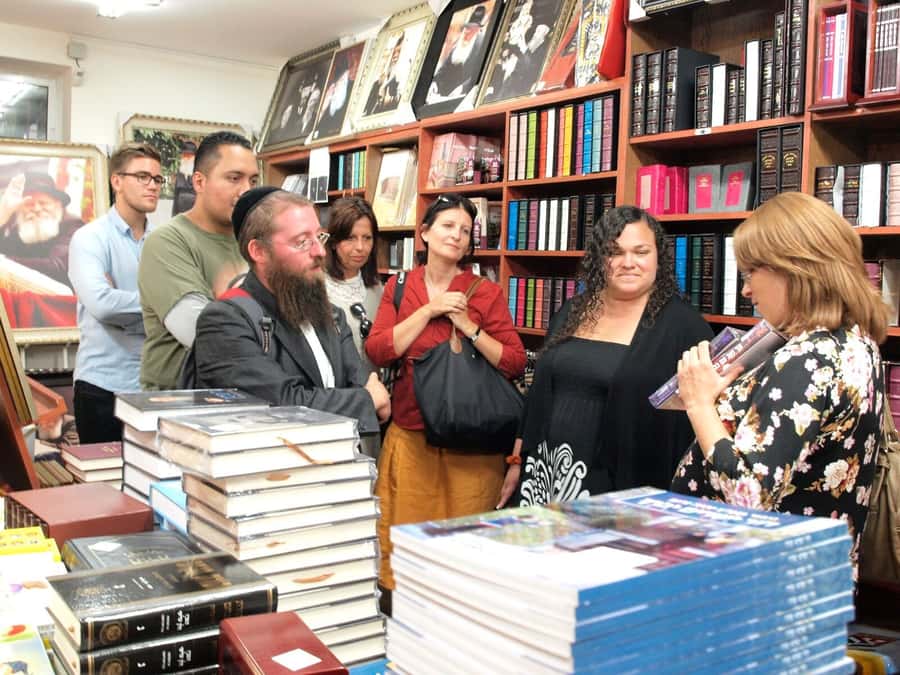
You may pass a typical bakery, clothing shop, bookstore, music store, restaurant, synagogue, and yeshiva. These places help you see how the community serves itself. A bookstore or music shop, for example, can open a discussion about education, entertainment, religious standards, and what forms of culture are encouraged or restricted.
The point is not to collect storefronts. Each stop gives the guide a reason to explain how the neighborhood functions. A bakery can lead to questions about kosher food. A clothing shop can help explain modesty rules. A synagogue or yeshiva can prompt discussion about prayer, study, leadership, and the role of religious institutions.
Do not expect every door to open for the group. Some locations cannot be entered because local community rules forbid it. In those cases, you receive an explanation from the street. That limitation may disappoint anyone expecting an inside visit, but it is also part of the tour’s ethical value. The experience does not treat a private community as an exhibit.
You should approach the walk with the same respect you would use in any religious neighborhood. Listen to the guide’s instructions, dress modestly, and avoid treating residents as scenery.
The guide’s personal story is the tour’s strongest feature
The most praised part of this experience is the guide’s ability to explain the community from the inside. Several comments describe the guide as warm, humorous, open, and able to handle difficult questions. One guide named in the feedback is Moti, who was described as willing to answer personal questions in detail.
The personal element becomes especially important near the end, when the guide shares his own experience of leaving the ultra-Orthodox community. That story gives the tour a human center. You are not only learning rules and customs. You are hearing about what it can mean to grow up within a tightly structured religious world and then make a different choice.
This can be moving. It can also make the tour more complicated than a simple introduction to Jewish traditions. You may hear criticism, affection, conflict, and personal pain in the same conversation. The guide’s perspective is valuable, but it is still one person’s perspective. I would treat it as an informed personal account, not as a complete description of every ultra-Orthodox group in Jerusalem.
That distinction helps you get more from the experience. Listen for what is specific to the guide’s background and what he presents as a wider community practice. Ask for clarification when a statement sounds broad. The tour encourages questions, and the strongest experience will come from thoughtful curiosity rather than quick judgment.
A completely different sort of day out of Jerusalem:
- Nazareth and the Sea of Galilee Day Trip from Jerusalem
★ 4.5 · 446 reviews - From Jerusalem: Masada&Dead Sea Tour INCLUDING ENTRANCE FEES
★ 4.3 · 392 reviews - Jerusalem: Guided Walking Tour of the Old City
★ 4.7 · 386 reviews - Full Day City Tour of Jerusalem
★ 4.1 · 367 reviews
The subjects you will discuss along the way
This is not a walk where the guide talks nonstop while you trail behind. Discussion is encouraged, and the subjects cover both private life and public debate.
Marriage is one likely topic. The guide can explain how family life is viewed within the community and how religious expectations shape personal choices. The role of women is another major subject. You can ask about responsibilities, family structure, clothing, and the way men and women participate in community life.
Media and phones offer a useful window into modern pressures. Ultra-Orthodox communities do not all handle technology in exactly the same way, and the guide can discuss restrictions, concerns, and changing habits. These questions show that the community is not frozen in time. It is negotiating modern life while trying to preserve religious boundaries.
Charity and communal support are also included. This helps you understand how a close religious society may care for its members and organize assistance. Kosher food provides a more familiar entry point, but the discussion can move beyond restaurant labels to the everyday rules that shape shopping, cooking, and eating.
Sabbath and holidays are central subjects. You will learn how religious time affects shops, streets, family routines, work, and public life. These customs are especially relevant in Jerusalem, where different communities live close together but may follow very different schedules.
The tour also addresses the current place of the ultra-Orthodox sector in Israeli society. That brings the conversation into politics and public life without turning the walk into a formal lecture. Be prepared for a range of views and for questions that do not have simple answers.
What you can see, and what you cannot enter
The tour’s value comes from combining street-level observation with explanation. You may see the outside of a synagogue or yeshiva, then learn why it matters. You may pass a shop and hear how its products fit community standards. You may notice religious symbols that would otherwise seem like background details.
At the same time, the boundaries are clear. Some places cannot be entered. You should not expect a private synagogue service, a classroom visit, or unrestricted access to community businesses. The guide can point out and explain these places, but the walk does not override local rules.
This is a point where expectations matter. If you want hands-on activities, tastings, or a tour of private interiors, choose another experience. If you want context for what you see on the streets, the outside view may be enough.
I also recommend staying close to the guide. One participant found that noise made it difficult to hear and suggested headsets. No headsets are included, and the walk takes place in active streets. If you have hearing difficulties, position yourself near the guide and ask for a repeat when necessary.
Clothing and conduct in an ultra-Orthodox area
Modest clothing is required. Do not wear shorts, sleeveless shirts, or anything that leaves the shoulders bare. Women should bring a scarf or shawl, and the guidance calls for modest dress for both men and women.
This is not merely a dress-code note for the booking page. Clothing affects how comfortably you move through the neighborhood and how respectfully you are received. Pack a cover-up even if your outfit seems appropriate for the rest of Jerusalem.
Bring a hat and water, especially in warm weather. A camera is allowed according to the practical information provided, but you should still use common sense. Ask the guide before photographing people, private homes, shops, or religious activity. If the guide says a particular place or situation should not be photographed, follow that instruction.
The best attitude is simple: observe first, ask politely, and avoid turning unfamiliar customs into jokes. The guide is there to help you understand the community, not to create a spectacle.
Is $53 a good value for two and a half hours?
At $53 per person, this tour costs more than a basic city walking tour, but the comparison is not quite fair. You are paying for access to a community that is not set up for casual tourism, plus a guide who can explain the customs through personal experience.
The value is strongest if you are genuinely interested in religion, Israeli society, family life, or the tension between tradition and modernity. The open question period adds real worth because you can shape the conversation around what you notice and what you do not understand.
The value is weaker if you mainly want famous landmarks or photographic stops. This is not a Jerusalem highlights tour, and food and drinks are not included. You also may not enter many of the places that are pointed out.
Free cancellation up to 24 hours before the tour and the option to reserve now and pay later make the booking less rigid. Starting times vary, so check availability when choosing a date. The language is English.
Who should book this experience?
I would recommend it to you if you want to understand a part of Jerusalem that is easy to observe but difficult to interpret. It suits visitors who enjoy asking questions, listening to personal stories, and considering social issues without expecting a neat answer at every turn.
It is also a strong choice for anyone who has already seen Jerusalem’s major religious sites and wants a different kind of cultural experience. The tour shifts attention from ancient history to present-day people and institutions.
Families with older teenagers may find the subjects useful, especially if everyone can handle discussions about religion, marriage, gender roles, and community conflict. The experience may be less suitable for young children who need constant movement or entertainment.
You should also think carefully about your own expectations. This is not a neutral audio guide and not a carefully controlled museum display. The former member’s story gives the tour its emotional force, but it also means the experience is shaped by one guide’s life and interpretation.
Final verdict: book it for insight, not sightseeing
I would book this tour if your goal is to understand how ultra-Orthodox life works in Jerusalem and to hear directly from someone who grew up within that world. The strongest features are the insider guide, the honest question period, and the chance to see ordinary community institutions without pretending they are tourist attractions.
I would skip it if you want indoor visits, food tastings, or a quick route through famous landmarks. You need modest clothing, comfortable walking clothes, water, and patience with places that can only be viewed from outside.
For the right audience, $53 buys more than a neighborhood walk. It gives you a framework for seeing Jerusalem with fewer assumptions and more compassion. Just stay close to the guide, keep an open mind, and let the difficult questions be part of the experience.
FAQ
Where does the tour meet?
Meet at the bus stop outside Abraham Jerusalem at Ha-Nevi’im Street 67 in Jerusalem. The hostel is currently closed, so the meeting point is outside.
How long does the tour last?
The walking tour lasts 150 minutes, or two and a half hours.
What language is the tour in?
The tour is conducted in English with a live guide.
Is food included?
No. Food and drinks are not included.
What should I wear?
Modest clothing is required. Do not wear shorts, sleeveless shirts, or clothing that leaves the shoulders bare. Women should bring a scarf or shawl.
Can I enter every place visited during the walk?
No. Some bookstores, shops, synagogues, yeshivas, and other places may only be viewed from outside because entry is forbidden by local community rules.
What topics are discussed?
The tour can cover marriage, women’s roles, media, charity, kosher food, phones, the Sabbath, holidays, and the ultra-Orthodox community’s place in modern Israeli society.
What should I bring?
Bring a hat, water, and a camera. The tour takes place on foot.
Can I cancel the booking?
You can cancel up to 24 hours in advance for a full refund. You can also reserve now and pay later.
Just added around Jerusalem
- Private Walking Tour in Jerusalem’s Old City★ 5.0 · 3 reviews
- jerusalem classic tour★ 5.0 · 3 reviews
- Jerusalem and the Dead Sea★ 5.0 · 3 reviews
- Jerusalem Running Tour-Experience the unique vibes of Jerusalem in your sneakers★ 5.0 · 3 reviews
- Jerusalem of 3 Religions in Russian★ 4.4 · 3 reviews
- From Jerusalem: Masada Sunrise, Ein Gedi & Dead Sea★ 5.0 · 3 reviews
- Christian Jerusalem in Russian★ 5.0 · 3 reviews
- Hebron & Ramallah Full-Day Guided Tour from Jerusalem★ 5.0 · 3 reviews
Jerusalem Tours, compared.

Masada and the Dead Sea Day Trip from Jerusalem
Read our review →
Nazareth and the Sea of Galilee Day Trip from Jerusalem
Read our review →

Browse the lists this tour appears in