
Review · JAFFA OLD PORT TOURS
Private Tour in Jaffa, Tel Aviv
Jaffa tells Tel Aviv’s oldest stories. This private, six-hour outing links Jaffa Old City with Neve Tzedek, Rothschild Boulevard, the White City, and Sarona, giving you a useful sweep of the city’s past and present. I like the one-guide format, which lets you adjust the pace, and I like the hotel pickup by taxi, a practical start when you are still finding your bearings. The main consideration is the price: $525 for up to three people is easier to justify with a full group than for one or two.
You get plenty of history, but the guide’s approach matters. One glowing assessment praised a fluent English-speaking guide who explained the city clearly and warmly. Another raised a concern about a guide spending 25 minutes on UN resolutions and politics near Independence Hall. I would set expectations early: ask for a balanced history lesson and keep the focus on places you came to see.
In This Review
- Key points at a glance
- Why this six-hour route works
- Starting in Jaffa, where the city’s story begins
- Neve Tzedek and Tel Aviv’s first neighborhood outside Jaffa
- Rothschild Boulevard and the birth of modern Tel Aviv
- The White City and Tel Aviv’s modernist identity
- Sarona, from German farming colony to food stop
- The guide makes or breaks the experience
- Price, transport, and timing
- Who should book this private Tel Aviv tour?
- My verdict: a useful private introduction with one clear caveat
- FAQ
- How long is the private tour?
- How many people can join the tour?
- Is hotel pickup included?
- Is transportation between the tour stops included?
- What places does the tour visit?
- Does the tour include food or drinks?
- Can the tour start in the morning or afternoon?
- Are admission tickets included?
- What is the cancellation policy?
Key points at a glance
- Jaffa begins the tour with two hours of port-city history, from Egyptian and Roman rule to Crusader, French, British, Muslim, and Jewish chapters.
- The private format lets you shape the day, with morning or afternoon starts and a guide devoted only to your group.
- Neve Tzedek shows Tel Aviv’s urban comeback, changing from a poor 19th-century neighborhood into a polished district of cafes, shops, and restaurants.
- Rothschild Boulevard and the White City explain Tel Aviv’s birth, including Ahuzat Bayit, modern utilities, and the world’s largest concentration of International Style buildings.
- Sarona finishes with food and shopping, in restored buildings first established by German Templars.
- The $525 price works best for three people, since it covers the group rather than charging each person separately.
Why this six-hour route works
I like this tour because it gives you a clear story rather than a collection of disconnected stops. Jaffa supplies the ancient port, Neve Tzedek shows the first Jewish neighborhood outside Jaffa, Rothschild Boulevard introduces the early city, and Sarona brings you into a restored commercial district.
That sequence helps you understand Tel Aviv as a city built in layers. You are not only looking at old stone, new apartments, and attractive shops. You are seeing how a port city, immigrant communities, planned neighborhoods, modernist architecture, and restored historic buildings fit together.
The private setup is important. Your guide can adjust the balance between history, architecture, shopping, and food. If your group is keen on Bauhaus design, you can ask for more detail in the White City. If you want less political discussion, say so at the beginning. The tour is designed for only your group, not a large party moving at someone else’s pace.
The day lasts about six hours. That is long enough to cover all five areas without making any one district the whole story, but it also means you should be ready for a substantial amount of walking. The supplied times total the full six hours: two hours in Jaffa, 90 minutes in Neve Tzedek, an hour on Rothschild Boulevard, 45 minutes in the White City, and 45 minutes in Sarona.
More of old Jaffa on foot:
- Tel Aviv Jaffa Guided Bike Tour
★ 4.5 · 178 reviews - Tel Aviv: Jaffa Half-Day Walking Tour
★ 4.5 · 70 reviews - Tel Aviv: Jaffa & Carmel Market Walking Tour
★ 4.7 · 60 reviews
Starting in Jaffa, where the city’s story begins
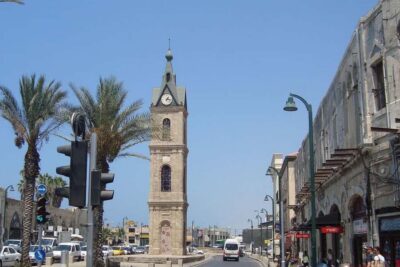
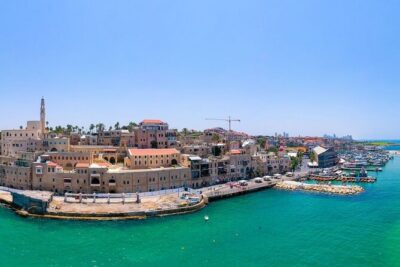
The tour starts in Jaffa Old City, one of the world’s oldest working ports. This is the strongest opening because Jaffa gives every later stop a point of comparison. Its stone streets and harbor history reach back through Egyptian, Roman, Muslim, Crusader, French, British, and Jewish periods.
The guide is expected to explain how control of Jaffa changed over time, including Napoleon’s connection to the city. You also hear about Peter, who according to Christian tradition set out from Jaffa to spread Christianity westward. Jewish history enters the story as well, with movement north from Jaffa in the late 18th century helping start new Jewish neighborhoods.
Allow two hours here. That is enough time for a serious walk and for questions, rather than a rushed pass through a few scenic lanes. Admission is included because there is no separate ticket charge for this stop.
I would pay attention to how the guide handles competing histories. Jaffa has been claimed, governed, and reshaped by many peoples, so a good explanation should give you more than one viewpoint. The private format makes it easier to ask for clarification when a date, name, or political point needs more context.
Jaffa is also where comfortable shoes matter most. The tour information does not give a detailed walking route or terrain notes, so you should be prepared for an old-city walk rather than a vehicle-based sightseeing loop. Pickup gets you to Jaffa, but the tour itself is primarily experienced on foot.
Neve Tzedek and Tel Aviv’s first neighborhood outside Jaffa
After Jaffa, the route moves into Neve Tzedek for about 90 minutes. This was the first Jewish neighborhood built outside Jaffa, and it offers a sharp change in mood and architecture.
The neighborhood’s story is one of decline and renewal. Once a poor 19th-century district that faced possible erasure, Neve Tzedek later became one of Tel Aviv’s most fashionable areas. Today, you can expect boutiques, cafes, restaurants, and elegant fashion and jewelry shops.
The interesting point is not simply that the area looks attractive. The guide can show you how urban change works in real life. A neighborhood can move from neglect to restoration, but that change can also bring high prices and exclusivity. The claim that more than a dozen billionaires now call the area home makes the contrast especially striking.
I like this stop for travelers who want more than ancient ruins. Neve Tzedek connects architectural preservation with modern city life. You can see how a historic district stays useful rather than becoming only a museum piece.
The drawback is that this section may appeal less if you are focused only on archaeology or major monuments. Much of the pleasure comes from streets, buildings, shops, and atmosphere. Ask your guide to explain the neighborhood’s social change, not just point out attractive facades.
Rothschild Boulevard and the birth of modern Tel Aviv
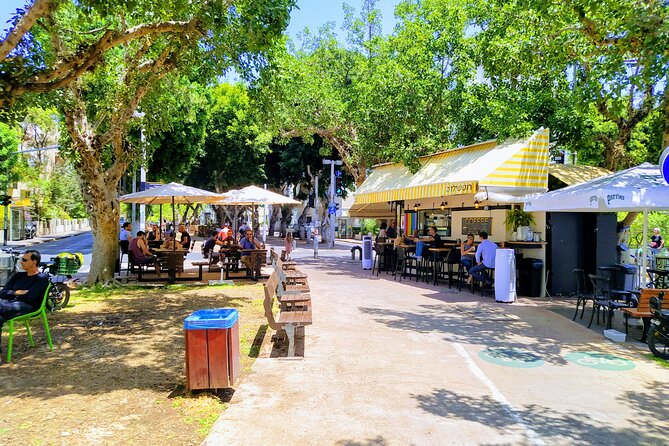
The next hour focuses on Rothschild Boulevard and the neighborhood first called Ahuzat Bayit. In 1909, after several smaller neighborhoods had been built, affluent Jewish residents, many of them from Eastern Europe, wanted better services and a more orderly place to live.
Their goals sound basic now: electricity, running water, and a sewage system. At the time, these services marked a major step toward a planned modern city. The neighborhood was renamed Tel Aviv the following year.
This part of the tour is useful because it explains the city’s name and its early ambitions. You are not just walking along a pleasant boulevard. You are hearing why residents chose to build a new urban center outside the older port and what they expected a modern neighborhood to provide.
The boulevard also helps you see the city as a project shaped by immigration. The route discusses British, German, and Jewish residents, along with other immigrant groups. Ask your guide to connect those communities to the buildings and streets around you. That is where a general city tour becomes more personal and specific.
There is no admission fee for this stop. The hour should give you enough time to take in the boulevard and its buildings without turning the visit into a formal architecture class. If you want more time for photos or cafes, remember that this is a private outing, so the schedule may be easier to adjust than on a fixed group tour.
A few more Tel Aviv trips worth weighing up
- From Tel Aviv: Masada & Dead Sea Full Day Tour with Pick Up
★ 4.5 · 1,496 reviews - From Tel Aviv: Jerusalem and Bethlehem Guided Day Trip
★ 4.3 · 1,316 reviews - Masada and the Dead Sea Day Trip from Tel Aviv
★ 4.5 · 1,014 reviews - Tel Aviv: Jerusalem, Bethlehem & Dead Sea
★ 4.0 · 881 reviews
The White City and Tel Aviv’s modernist identity
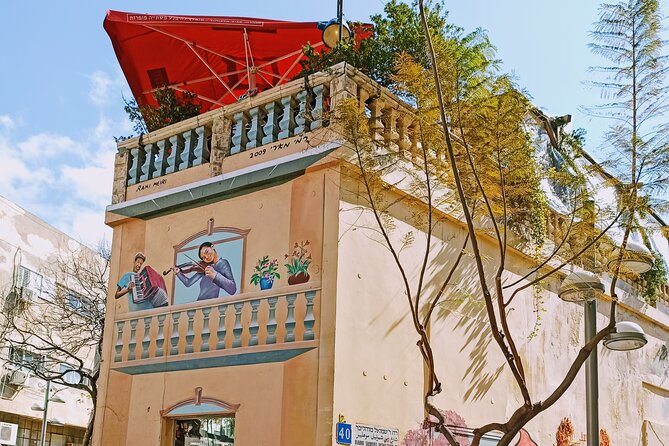
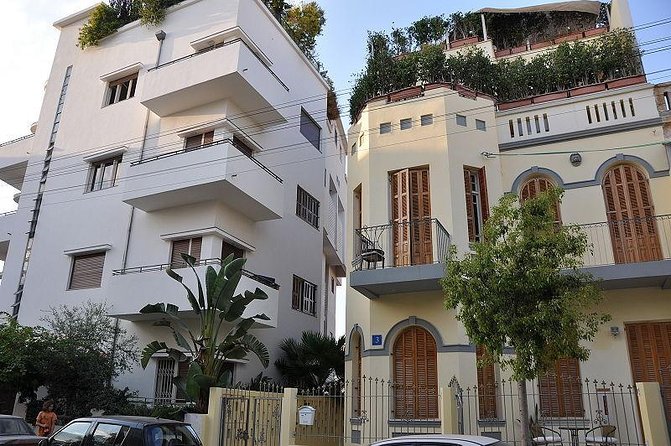
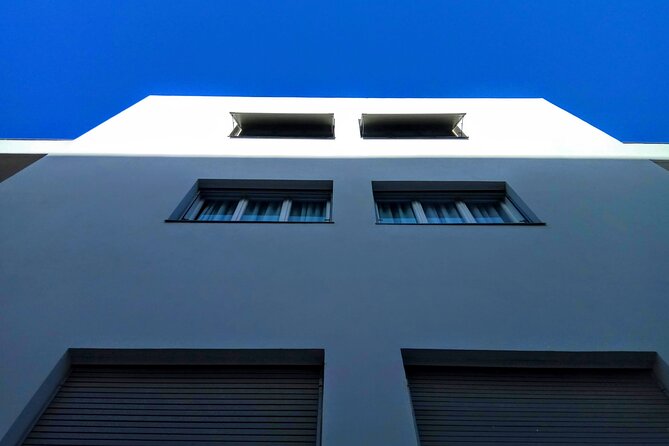
The White City section lasts about 45 minutes and centers on the largest concentration of International Style buildings in the world. UNESCO has awarded the area World Heritage status, making it one of the city’s essential architecture stops.
The International Style is known for clean forms and practical design rather than heavy decoration. You can expect the guide to explain why so many such buildings appeared in Tel Aviv and how they fit the city’s early development.
This stop is short, but it adds a different kind of history. Jaffa is about old port empires. Neve Tzedek is about neighborhood change. Rothschild Boulevard is about city building. The White City shows how Tel Aviv developed a recognizable visual identity through modern architecture.
You may find 45 minutes enough for an introduction, especially after a full morning of walking. If modern architecture is a major interest, tell the guide before the tour starts. The private format gives you a better chance of getting more explanation about the buildings that catch your eye.
There is no separate admission ticket here. Still, the value lies in the guide’s interpretation. A quick walk without context might leave you seeing only pale facades. With a clear explanation, you can understand why this concentration of buildings matters beyond its appearance.
Sarona, from German farming colony to food stop
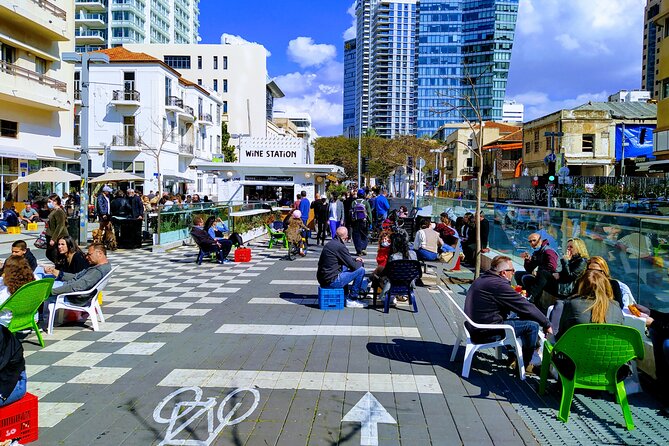
The final stop is Sarona, with about 45 minutes set aside. Its past is more complicated than its current role as one of Tel Aviv’s popular places for food, shops, bars, and restaurants.
German Templars founded Sarona as an agricultural settlement in the second half of the 19th century. During the 1930s, many German residents displayed swastika flags, creating tension with both British authorities and Jewish residents. During World War II, most were expelled to Australia.
In 1948, Sarona became the headquarters of the Israeli government and army. The original buildings have since been restored, and the district now includes boutique shops, restaurants, bars, and the indoor Sarona Market.
That sharp change is what makes Sarona worth including. You finish the tour in a place that works as a dining and shopping district, but the guide can explain the difficult political history beneath the polished restoration.
The tour ends here, which is practical. You can browse the market, find a meal, or continue on your own instead of returning to your hotel with the group. Food and drinks are not included, so budget separately if you want to eat.
The guide makes or breaks the experience
The strongest praise is directed at the guide. One assessment describes a wonderful guide with fluent English and strong command of the subject. That matters on this route because the tour covers several religions, immigrant communities, political changes, and architectural movements in one day.
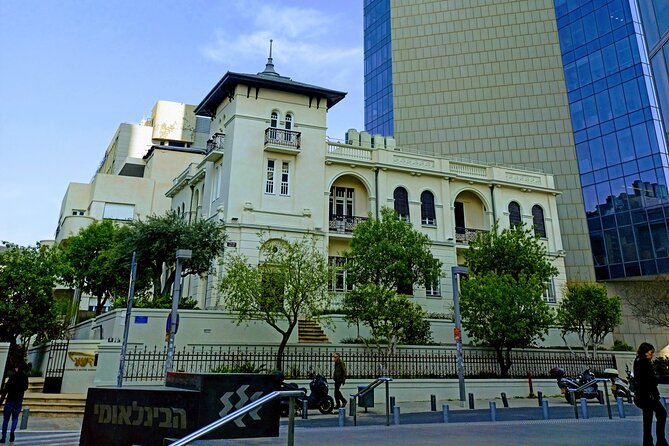
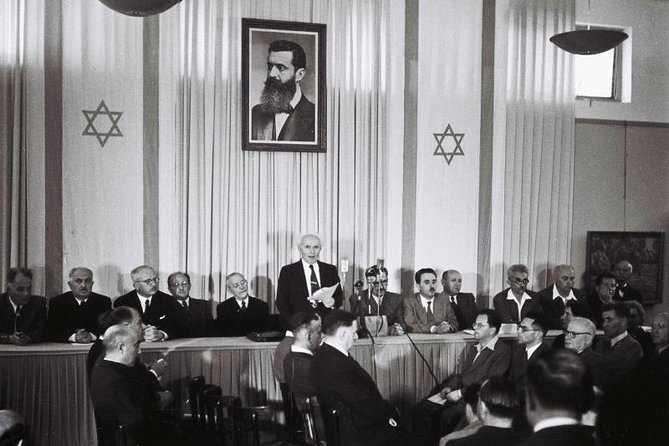
The less favorable account is also useful. A guide spent 25 minutes or more discussing UN resolutions and why they were wrong while the group sat near Independence Hall. Even if you share the guide’s political view, that is a long time to spend on a lecture when the point of the outing is to see the city.
I would handle this simply. At the start, tell your guide what interests you most and ask for a balanced presentation. You can say that you want political context, but also want enough time for architecture, local stories, and the actual sights. A private tour gives you room to make that request directly.
The tour provider is Booqify, also identified as Amazing Jerusalem. No guide name is supplied, so you should not book based on a particular individual. Book it for the private structure and route, then use the opening conversation to set the tone.
Price, transport, and timing
The cost is $525 per group of up to three people. For three people, that works out to $175 each for six hours of private guiding, with hotel pickup by taxi to Jaffa included. For two people, the per-person cost rises to $262.50. For one person, it is a costly way to see the city unless private attention is especially important to you.
The included transport is limited. A taxi from your hotel to Jaffa is provided with your guide. Transportation between later stops is not included, although you can take taxis between sites. The route may work well on foot, but you should clarify the exact transport plan when arranging the day, especially if anyone in your group prefers to limit walking.
Morning and afternoon starts are available, and the day can be customized. That flexibility helps if you have a flight, meeting, or another Tel Aviv plan. The final stop at Sarona Market also gives you a natural place to eat afterward.
A mobile ticket is provided. Confirmation usually arrives at booking, but bookings made within seven days of the tour may be confirmed within 48 hours, subject to availability. Cancellation is free up to 24 hours before the start time. Within 24 hours, you receive no refund, and changes are not accepted.
Who should book this private Tel Aviv tour?
I would recommend it most strongly to a small group of up to three people who want a broad introduction to Tel Aviv and Jaffa in one day. It suits first-time visitors who want help connecting old ports, Jewish neighborhoods, modernist buildings, and restored commercial spaces.
It is also a good fit for families or friends who value control over the pace. You can ask questions without holding up a large group, spend more time on architecture, or move along when a shopping district is not your priority.
History fans should enjoy the range, though you need to be comfortable with sensitive political subjects. The route touches on Jewish settlement, British rule, German Templars, World War II, Israeli government history, and UN resolutions. That material deserves careful handling, so speak up if the discussion becomes too long or one-sided.
This is less suitable if you want a cheap, quick overview or a tour built around food tastings. Food and drinks are not included, and the day’s value comes from the guide rather than from tickets or special access.
My verdict: a useful private introduction with one clear caveat
Book this tour if you want one long, flexible day that explains how Jaffa became part of greater Tel Aviv and how the modern city grew around it. I especially like the route’s progression from ancient port to fashionable neighborhood, planned boulevard, UNESCO-listed architecture, and restored market district.
The $525 fee makes sense for three people who want a private guide and hotel pickup. It is harder to justify for a solo visitor, particularly because taxis between stops and all food remain extra.
The key question is the guide’s balance. Most of the praise centers on clear English and strong historical explanations, but the political complaint should not be ignored. Ask for the kind of tour you want at the start, then enjoy the city’s many layers without letting one subject take over the day.
FAQ
How long is the private tour?
The tour lasts approximately six hours.
How many people can join the tour?
The private tour is priced for a group of up to three people. Only your group participates.
Is hotel pickup included?
Yes. Taxi transportation from your hotel to Jaffa with your guide is included.
Is transportation between the tour stops included?
No. Transportation between attractions is not included, but taxis can be taken between sites.
What places does the tour visit?
The route includes Jaffa Old City, Neve Tzedek, Rothschild Boulevard, the White City, and Sarona.
Does the tour include food or drinks?
No. Food and drinks are not included. The tour ends at Sarona Market, where you can buy a meal or browse the food stalls and shops.
Can the tour start in the morning or afternoon?
Yes. Morning and afternoon tours are available, and the schedule can be customized.
Are admission tickets included?
There are no admission charges listed for the stops in this route. The tour includes a professional guide, but food, drinks, and transport between attractions are separate.
What is the cancellation policy?
You can cancel at least 24 hours before the local start time for a full refund. Cancellations or changes made less than 24 hours before the start time are not refunded or accepted.
Just added around Tel Aviv
- 4-Day Christian Israel Tour from Tel Aviv★ 5.0 · 3 reviews
- Palm Sunday in Jerusalem: Mass at Bethpage and Via Dolorosa Procession with Transport from Tel Aviv★ 5.0 · 3 reviews
- Tel Aviv to Tel Aviv Airport (TLV) – Departure Private Transfer★ 5.0 · 3 reviews
- Masada and Dead Sea from Tel Aviv★ 4.5 · 3 reviews
- Private Transportation From / To Ben Gurion Airport to Tel Aviv Hotels★ 5.0 · 3 reviews
- Jerusalem and Dead Sea Tour from Tel Aviv★ 4.5 · 3 reviews
- Tel Aviv: Carmel Market & Neighborhood Guided Walking Tour★ 4.7 · 3 reviews
- Holyland Tour :Jerusalem & Bethlehem from Jerusalem or Tel Aviv★ 5.0 · 3 reviews
Jaffa Old Port Tours, compared.


Browse the lists this tour appears in