
Review · JERUSALEM OLD CITY TOURS
From Tel Aviv: City of David & Underground Jerusalem Tour
Ancient Jerusalem rewards steady feet. This full-day outing from Tel Aviv brings you to the City of David excavations, the Western Wall, Mount Zion, the Cardo, and several important sites around the Old City. I like the range of places covered in one day, and I especially like the chance to see excavated homes, mosaic floors, a mikveh, and a 2,700-year-old wall connected to biblical Jerusalem. The main drawback is the pace: three hours of walking is advertised, but the stairs, slopes, and long stretches on foot can feel like much more.
I also like having an English-speaking guide to explain how the sites fit together, rather than trying to make sense of Jerusalem’s layers alone. Guides such as Gabi have earned praise for being patient and well informed. Still, large groups and Tel Aviv traffic can reduce your time at the sites, and anyone with knee, leg, or heart problems should think carefully before booking.
In This Review
- Key points to know before you book
- Why the City of David gives this day its purpose
- From Tel Aviv to Jerusalem: a long day on the road
- The Temple Mount viewpoint starts the story
- Along the Kidron Valley toward Mount Zion
- Mount Zion and the Tomb of David
- Through Zion Gate into the Old City
- The Byzantine Cardo and the Jewish Quarter
- A short but meaningful stop at the Western Wall
- Leaving the Old City for the oldest layers
- What the guide adds to a crowded schedule
- Walking, stairs, heat, and what to pack
- Is $99 a fair price?
- Who should book this Jerusalem day trip?
- FAQ
- How long is the City of David and Underground Jerusalem tour?
- Is hotel pickup included?
- What language is the tour conducted in?
- Are entry fees included in the $99 price?
- How much walking is involved?
- Is the tour suitable for wheelchair users or young children?
- Should you book it?
Key points to know before you book
- The City of David is the day’s main prize: See ongoing excavations and some of Jerusalem’s oldest remains outside the Old City walls.
- The route covers several faiths and eras: Expect Jewish, Christian, Roman, Byzantine, and biblical sites in one packed schedule.
- Three hours of walking is the minimum expectation: Stairs, uneven ground, slopes, and quick transitions make good shoes essential.
- The Western Wall stop is brief: You have time to approach the Kotel and place a note between its stones, but this is not a long visit.
- The $99 price includes transport and a guide: Entry fees, food, and drinks cost extra, so check what your day’s admissions require.
- A pickup email matters: Bein Harim sends the final pickup time and hotel details, so read the confirmation carefully.
Why the City of David gives this day its purpose
Jerusalem can feel like several cities built on top of one another. This tour makes that idea visible, moving from open views and sacred landmarks to excavated streets, homes, walls, and waterworks.
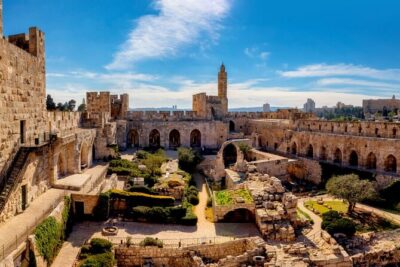
The City of David is especially worthwhile because the excavations are still under way. You are not simply looking at a finished museum display. You see an active archaeological area connected with the earliest known settlement zone of Jerusalem, just outside today’s Old City walls.
The site is described as roughly 3,000 years old, which gives the visit a different feel from the later Ottoman and Byzantine buildings elsewhere on the route. The Old City is famous, but the City of David helps explain where biblical Jerusalem began and how the city expanded.
I would save your strongest attention for this portion of the day. The earlier stops provide useful context, but the City of David gives you the clearest sense of Jerusalem’s age and physical layers.
More City Tours in Jerusalem
- Jerusalem: Guided Walking Tour of the Old City
★ 4.7 · 386 reviews - Full Day City Tour of Jerusalem
★ 4.1 · 367 reviews - From Jerusalem Small group tour Old&New City ENTRY FEES INCL
★ 4.0 · 135 reviews
From Tel Aviv to Jerusalem: a long day on the road
The tour lasts about 11 hours, including pickup and return to Tel Aviv. That makes this a serious day trip rather than a quick city visit.
The air-conditioned coach is a practical benefit, especially in warm weather. You do not need to manage the route, parking, or the journey between Tel Aviv and Jerusalem. On the other hand, traffic between the two cities can be slow. One booking experience specifically criticized lost time in congestion, and that is a fair concern for a schedule already packed with stops.
I would not book this tour if you want a relaxed day with long café breaks or unhurried time at each monument. I would book it if you want to see a large portion of historic Jerusalem in one organized outing and accept that the timetable may be affected by road conditions.
There is also a small transport-cost warning. A past participant reported paying 7 shekels for a compulsory transfer between points. That charge may depend on the day’s arrangements, so carry some local currency and confirm whether any short shuttle or transfer fee is separate.
The Temple Mount viewpoint starts the story
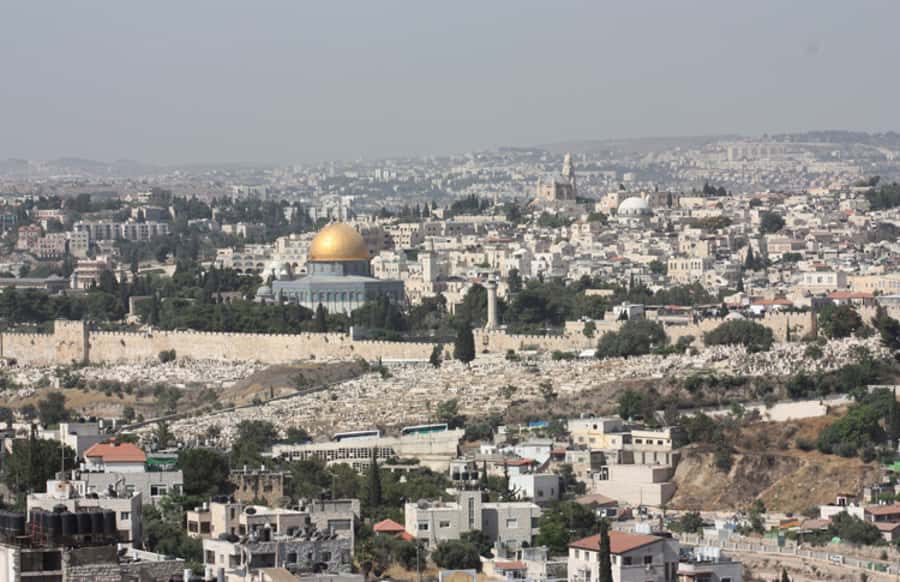
The day begins with a view of Jerusalem from the Temple Mount area. Even when you cannot enter every part of the complex, the setting gives you an immediate sense of why this hill has shaped the city’s religious and political history.
Your guide can point out the major features and help you orient yourself. That matters in Jerusalem, where a few minutes of explanation can save you from confusing one wall, gate, or ridge with another.
This is a viewing stop rather than a long interior visit. Keep your camera ready, but do not expect the whole morning to unfold at one landmark. The tour moves quickly because it has a lot of ground to cover.
Along the Kidron Valley toward Mount Zion
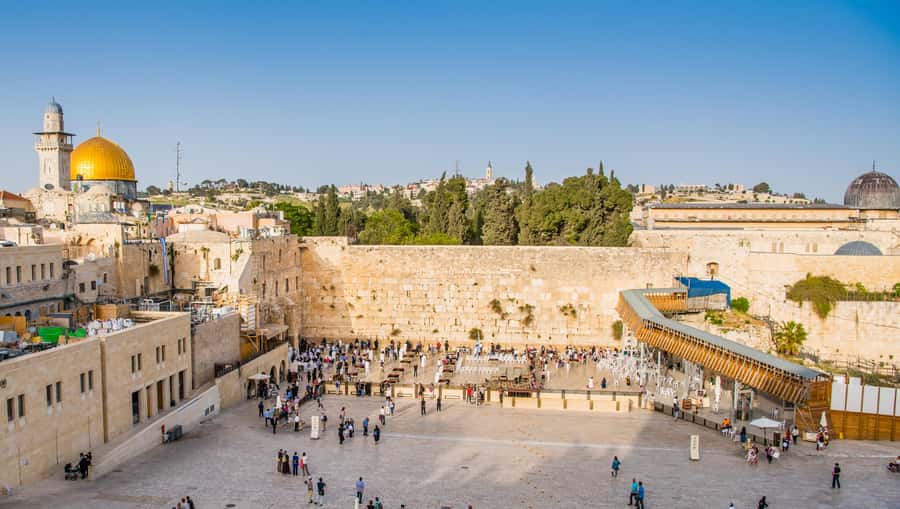
The coach continues along the Kidron Valley toward the Zion Gate. From this route, you get views toward the Mount of Olives and the Jewish cemetery. The cemetery stretches across the slope and gives the valley a solemn, unmistakable character.
At the base of the Mount of Olives, the itinerary points out several ancient burial monuments: Yad Avshalom, the Tomb of the Sons of Hezir, and the structure sometimes identified as the Tomb of Zechariah. The wording around the last tomb reflects the uncertainty that often surrounds very old sites. Your guide may explain the traditions and the limits of what can be proven.
You also pass the Garden of Gethsemane and the Church of All Nations. These are important Christian sites, but this tour does not promise an extended church visit. Think of this part as a moving introduction to the valley and its monuments rather than a detailed church tour.
More walks through the Old City:
- Best seller! Jerusalem old city four quarters tour
★ 5.0 · 123 reviews - Private Tour Jerusalem Old City
★ 5.0 · 118 reviews - All Inclusive Walking Tour Old City Jerusalem
★ 5.0 · 83 reviews - Jerusalem Half Day Tour: Holy Sepulchre and Western Wall
★ 4.5 · 80 reviews
Mount Zion and the Tomb of David
On Mount Zion, the group stops at the Tomb of David. The site is important to Jewish tradition, though the historical identification of the tomb is not simple or certain.
That tension is part of what makes Jerusalem interesting. Sacred traditions, later buildings, archaeology, and modern belief often overlap here. A good guide helps you understand the difference between a site’s religious importance and what historians can establish.
The stop is relatively focused, so listen closely while the guide explains the setting. In a large group, it can be easy to drift to the back and miss details. Stay near the guide when moving between sites.
Through Zion Gate into the Old City
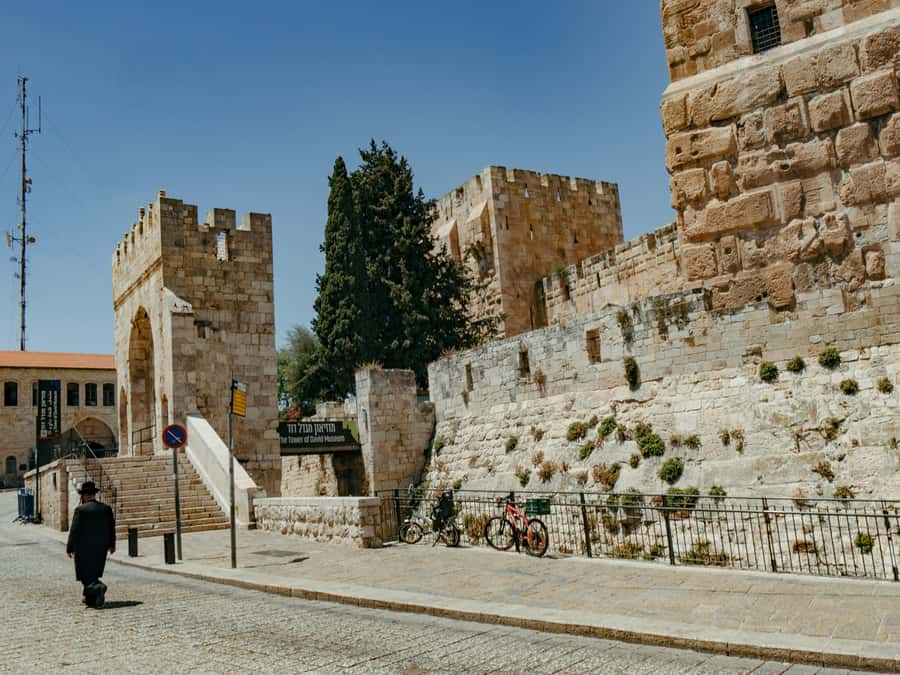
The group enters the Old City through Zion Gate, one of Jerusalem’s historic entrances. From there, the route heads toward the Jewish Quarter and the Cardo.
Along the way, you stop at four restored Sephardi synagogues. These buildings date from the seventeenth and early eighteenth centuries. Their story includes a painful modern chapter: during the 19 years when Jordan controlled the Old City, the synagogues were used to house animals.
That detail makes the stop more than a pretty architectural pause. It shows how buildings can shift from places of worship to neglect and then return to religious use. I find this kind of human-scale history more memorable than a list of dates.
The restored interiors are a good example of why a guide helps. You can see the buildings, but the explanation gives meaning to what happened to them and why the restoration matters.
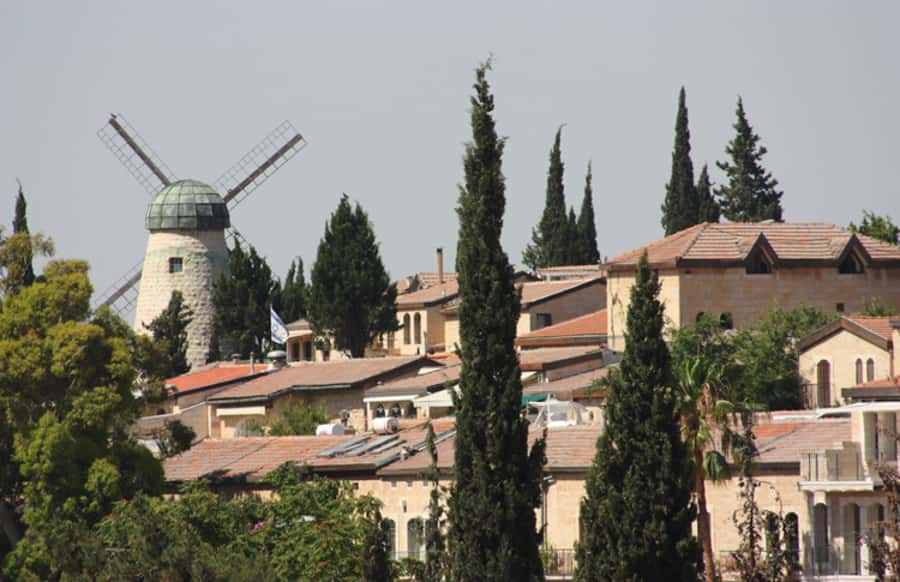
The Byzantine Cardo and the Jewish Quarter

The Cardo was the main street of Byzantine Jerusalem, dating from about 1,500 years ago. Parts of the ancient street have been excavated and exposed, allowing you to walk through a visible section of the city’s Roman and Byzantine past.
Do not expect a complete ancient street stretching across the quarter. The experience is about seeing a preserved section and understanding the street plan beneath the modern Old City.
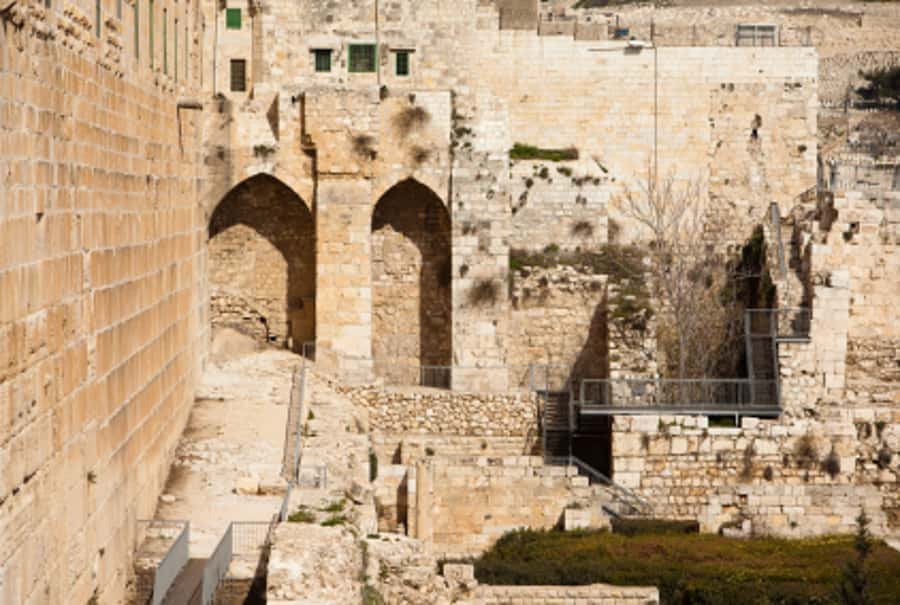
The route then reaches the remains of a wall built during the reign of King Hezekiah, about 2,700 years ago. The exposed foundation lets you see the scale and construction of biblical Jerusalem more directly than a museum label can.
After descending a few meters, you reach a roughly 2,000-year-old complex of homes. Original mosaic floors and a mikveh remain visible. These details are among the strongest on the Old City portion because they bring ordinary life into the story. You are not only seeing palaces or famous religious buildings. You are looking at domestic spaces, floors, and ritual facilities used by people who lived here long ago.
The descent and later climbs are where the physical demands begin to show. Take the steps at your own pace if the group allows, and do not assume the advertised walking time tells the whole story. Two past participants felt the stairs and uphill sections went well beyond what they expected.
A short but meaningful stop at the Western Wall
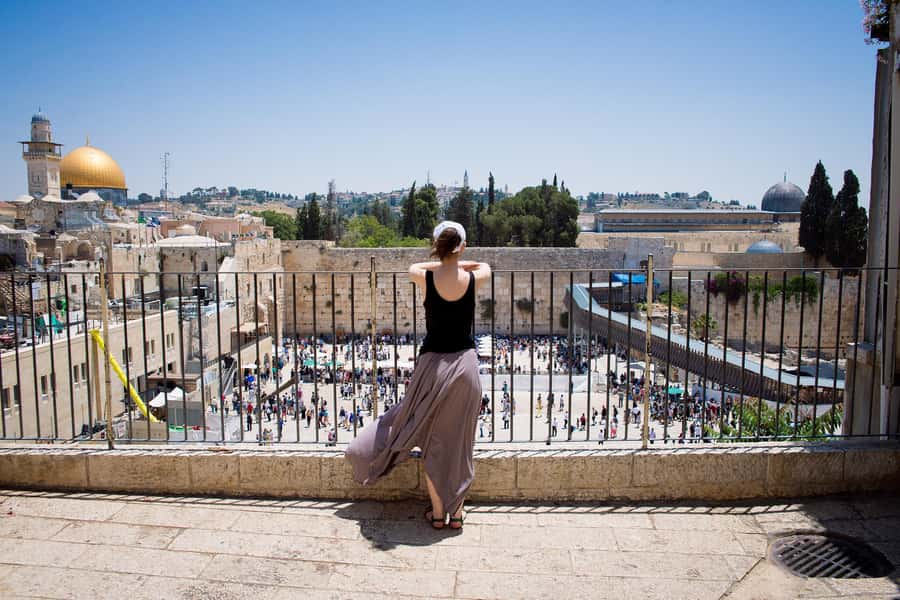
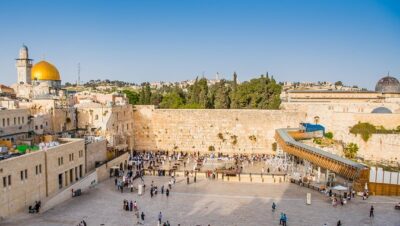
The Western Wall, or Kotel, receives a brief visit. You have the opportunity to approach the stones and place a note between them.
Because the stop is short, you may not get a long period for reflection. Still, even a few minutes can be meaningful, especially if this is your first visit to Jerusalem.
Dress and behavior should respect the religious setting. Keep your belongings organized and stay aware of the group’s meeting point. The tour continues through the Old City and later leaves through the Dung Gate, so there is little room for wandering off on your own.
Leaving the Old City for the oldest layers
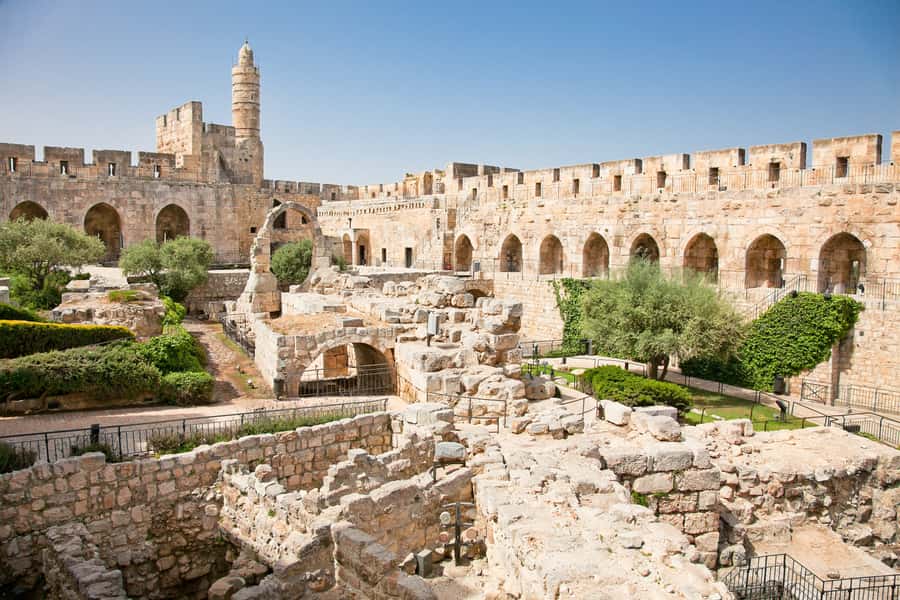
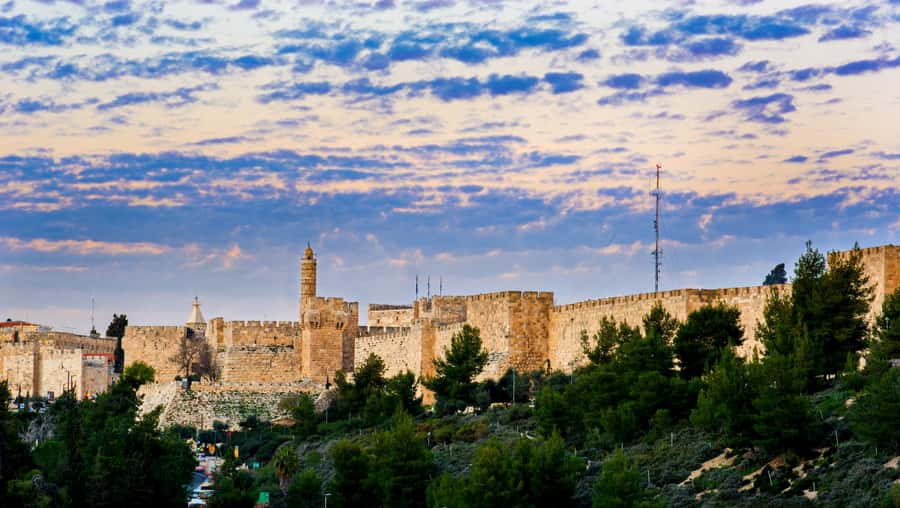
After exiting through the Dung Gate, the tour reaches the City of David excavations. This transition is one of the most effective parts of the route.
Inside the Old City, you have seen later walls, a Byzantine street, restored synagogues, and homes from the Roman period. At the City of David, the focus shifts back toward the earliest periods of Jerusalem. The sequence helps you understand that the Old City is not the whole story. Some of the city’s oldest remains lie just beyond its present walls.
The excavation visit is the highlight for many people who want archaeology rather than only religious landmarks. Expect uneven surfaces and more walking. If you are interested in Hezekiah’s water tunnel, ask the supplier or guide before the day begins whether it is part of your particular schedule. A past booking experience noted that the possibility of walking through it was not clearly explained, and suitable shoes and shorts would be needed for that option. Do not assume the tunnel walk is included.
What the guide adds to a crowded schedule
The strongest praise for this experience centers on the guides. Gabi was singled out for patience, courtesy, and clear answers, while another guide was praised for explaining the area and responding to questions.
That matters because the tour covers thousands of years in a single day. Without explanation, you could see a gate, wall, tomb, synagogue, street, and excavation without understanding how they connect.
The group size can change the quality of the visit. One past participant found that a large group made it harder to hear all the information at the City of David. Stay close to the guide, especially in narrow streets and crowded archaeological areas.
A fast guide can also be a problem. One person had to leave the tour because the pace and stairs became too difficult. I would tell the guide at the start if you need regular pauses. The tour may not be able to slow down for everyone, but early notice gives the guide a chance to help.
Walking, stairs, heat, and what to pack
The official description allows for about three hours of walking. In practice, you should prepare for more physical effort because the route includes steps, descents, climbs, uneven surfaces, and standing at multiple sites.
This is not suitable for wheelchair users, and children under four cannot join. The route is also a poor match for anyone with serious knee, leg, or heart problems unless a medical professional has confirmed that the effort is appropriate.
Wear firm, comfortable shoes. Bring water, sun protection, and clothing suitable for religious sites. The supplied information does not give a dress code, but the Western Wall, synagogues, churches, and tombs all call for respectful clothing.
Food and drinks are not included. Since the day is long and the schedule is full, carry what you need rather than relying on finding a convenient meal break. The coach is air-conditioned, but the outdoor walking sections can still feel hot.
Is $99 a fair price?
At $99 per person, the tour offers a reasonable package for visitors who want transport from Tel Aviv, an English-speaking guide, and a full day of structured sightseeing.
The value comes from the distance covered and the amount of explanation. A private taxi or self-arranged day would require more planning, and you would need to build your own route through sites spread around Jerusalem. Here, pickup, return, and coach transport are included.
The price does not include entry fees, food, or drinks. Those extras can change the final cost, especially if your schedule includes a paid archaeological site or optional feature. Ask what admissions are required for your departure date before assuming $99 is the complete amount.
I consider the tour good value for a first Jerusalem visit, provided you want breadth rather than freedom. It is less attractive for repeat visitors who already know the Old City and want to spend several hours at one excavation or religious site.
Free cancellation up to 24 hours before departure and reserve-now, pay-later booking make the arrangement more flexible. The practical point is to watch for the final supplier email. Bein Harim sends the confirmed pickup time and hotel, and you should contact [email protected] if that message does not arrive.
Who should book this Jerusalem day trip?
I would recommend it to first-time visitors staying in Tel Aviv who want an efficient introduction to Jerusalem’s major historic areas. It also suits people who prefer a guide’s explanation to independent research and who value having transport handled from start to finish.
It is a particularly good fit if the City of David is high on your list. The excavations, ancient homes, mosaic floors, wall foundations, and surrounding biblical setting give the day a strong archaeological focus.
I would hesitate if you want a leisurely pace, long meals, or free time for shopping. I would also choose a gentler plan if stairs are difficult for you. The tour’s high overall rating reflects strong guiding and a broad itinerary, but the physical demands are not a minor footnote.
FAQ
How long is the City of David and Underground Jerusalem tour?
The tour lasts about 11 hours, including pickup and drop-off from Tel Aviv.
Is hotel pickup included?
Yes. Pickup and drop-off are included. Bein Harim sends a confirmation email with the final pickup time and pickup hotel.
What language is the tour conducted in?
The live tour guide speaks English.
Are entry fees included in the $99 price?
No. Entry fees, food, and drinks are not included.
How much walking is involved?
The itinerary includes about three hours of walking, with stairs, slopes, and uneven sections. Some past participants found the actual effort greater than expected.
Is the tour suitable for wheelchair users or young children?
The tour is not suitable for wheelchair users or children under four years old.
Should you book it?
Book this tour if you want one demanding but informative day covering Jerusalem’s major historical layers, from Mount Zion and the Western Wall to the Cardo and the 3,000-year-old City of David.
Before paying, make sure you are comfortable with long hours, stairs, heat, and a potentially quick pace. If that sounds manageable, the combination of organized transport, strong English-language guiding, and access to the City of David makes $99 a sensible choice. If your priority is rest, independence, or detailed time at one site, plan Jerusalem at a slower pace instead.
Just added around Jerusalem
- Private Walking Tour in Jerusalem’s Old City★ 5.0 · 3 reviews
- jerusalem classic tour★ 5.0 · 3 reviews
- Jerusalem and the Dead Sea★ 5.0 · 3 reviews
- Jerusalem Running Tour-Experience the unique vibes of Jerusalem in your sneakers★ 5.0 · 3 reviews
- Jerusalem of 3 Religions in Russian★ 4.4 · 3 reviews
- From Jerusalem: Masada Sunrise, Ein Gedi & Dead Sea★ 5.0 · 3 reviews
- Christian Jerusalem in Russian★ 5.0 · 3 reviews
- Hebron & Ramallah Full-Day Guided Tour from Jerusalem★ 5.0 · 3 reviews
Jerusalem Old City Tours, compared.



Jerusalem Half Day Tour: Holy Sepulchre and Western Wall
Read our review →
Jerusalem Half-Day Tour from Tel Aviv: Holy Sepulchre and Western Wall
Read our review →
City of David and Underground Jerusalem Day Tour
Read our review →Browse the lists this tour appears in