

Review · HISTORICAL TOURS
Kabbalah Heritage Walk
Safed’s stones carry serious spiritual weight. This 90-minute Kabbalah walk connects the city’s old lanes with the teachings of Rabbi Moshe Cordovero, the Alkabetz, the Holy Ari, and Rabbi Yosef Karo. I like the small-group format, capped at 15 people, and I like that Rabbi Shmuel Kopel leads the experience as a Talmudic scholar rather than offering only a general city tour.
The main consideration is the narrow focus. If you want a broad sightseeing tour of northern Israel, this is not it. You should also confirm the departure time carefully, since the regular schedule differs between Sunday through Thursday and Friday, while the stated duration is approximately 1 hour 30 minutes.
In This Review
- Key points to know before you book
- Why Safed matters to Kabbalah
- Starting at Kikar HaMeginim in Safed
- Meeting the scholar who guides the walk
- Historic synagogues and the people connected to them
- From mystical teaching to everyday Jewish law
- What the 15-person limit means
- Choosing the right departure time
- Who will appreciate this walk most
- Access, transport, and practical comfort
- Is $45 a fair price?
- Cancellation and booking flexibility
- Should you book the Kabbalah Heritage Walk?
- FAQ
- Where does the Kabbalah Heritage Walk take place?
- Where do I meet the guide?
- Where does the activity finish?
- How long does the walk last?
- What time does the tour usually start?
- Can I request another departure time?
- Who leads the experience?
- How large is the group?
- How much does the walk cost?
- Can I cancel for a refund?
Key points to know before you book
- Safed, not Tiberias, is the walking setting: Meet at Kikar HaMeginim in Safed, where the route begins and ends.
- Rabbi Shmuel Kopel leads the walk: His explanations cover both Kabbalistic thought and the practical effect of major rabbis on Judaism today.
- Several important sages shape the route: Expect attention to Rabbi Moshe Cordovero, the Alkabetz, Isaac Luria, and Rabbi Yosef Karo.
- Historic synagogues are part of the experience: The walk includes places connected with rabbis who prayed and taught in Safed.
- The group remains small: A maximum of 15 people allows room for questions and personal attention.
- The timing needs checking: The usual departure is 1:30 p.m. Sunday through Thursday and 11 a.m. Friday, with other times possible by advance arrangement.
Why Safed matters to Kabbalah
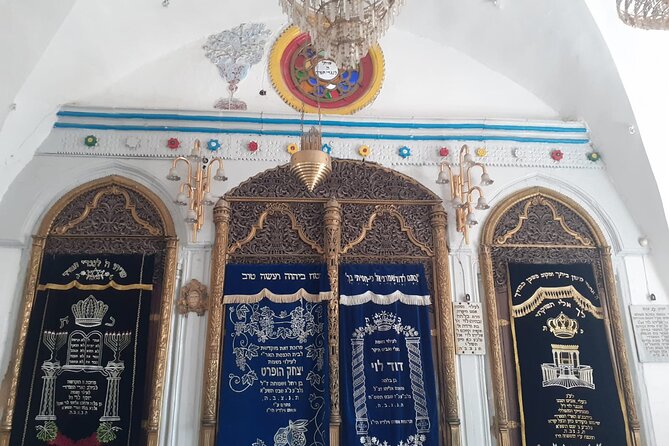
Safed, also called Zefat or Tsfat, is one of Judaism’s four sacred cities. Its importance is not limited to beautiful stone streets or old religious buildings. In the 16th century, Safed became the best-known center for Kabbalistic teaching, a mystical and once-secretive side of Judaism.
That setting gives this walk its purpose. You are not simply looking at old walls. You are hearing why particular homes, synagogues, burial places, and streets matter to Jewish thought.
The walk focuses on several major figures. Rabbi Moshe Cordovero, often known as the Ramak, was one of Safed’s leading Kabbalists. The Alkabetz is associated with important Jewish liturgical teaching. Isaac Luria, known as the Holy Ari, became one of the most influential figures in later Kabbalah.
The route also brings in Rabbi Yosef Karo, author of the Shulchan Aruch. That work became the most authoritative guide to Jewish religious law. His connection to Safed helps show that the city was not only a center for mystical ideas. It was also a place where Jewish law, prayer, and daily practice took organized form.
I value that balance. Kabbalah can seem remote if it is presented only as mystery and symbolism. By linking it with the laws and customs followed by Jewish communities around the world, the walk gives you a more practical sense of why Safed still matters.
More historic sites:
- Jerusalem Yad Vashem Holocaust History Museum Tour
★ 5.0 · 98 reviews - Jerusalem Christian Heritage Private Tour
★ 5.0 · 9 reviews - Full-Day Private Luxury and Cultural Tour in Tel Aviv
★ 5.0 · 5 reviews
Starting at Kikar HaMeginim in Safed
You meet at Kikar HaMeginim, a central point in Safed, and return there at the end. This simple out-and-back arrangement makes the activity easier to fit into a day of exploring the city.
The walk lasts about 1 hour 30 minutes. That is long enough for a focused introduction, but short enough to leave time for other Safed sights. You should not expect an all-day historical tour or a full survey of every quarter.
The supplied location information names Tiberias, but the meeting point and the actual walking program are in Safed. If you are planning transport from another Galilee base, use Kikar HaMeginim in Safed as your practical destination and check the confirmation details after booking.
The route is on foot, so comfortable shoes make sense. No special fitness requirement is stated, and most people can participate. Still, Safed’s old-city setting means you should be ready for walking through historic streets rather than riding between sites.
Meeting the scholar who guides the walk
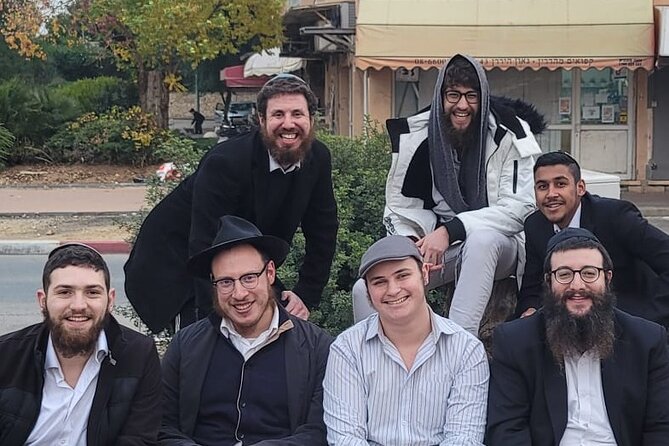
The experience is led by Rabbi Shmuel Kopel. His role is central to the value of the tour. You are not just receiving dates and names. You can ask about the ideas tied to each site and how those teachings affected Judaism beyond Safed.
A group walk with a religious scholar can be useful if you have questions that a standard sightseeing guide may not cover. You might want to ask how Kabbalistic ideas relate to prayer, how particular rabbis influenced Jewish practice, or why certain synagogues remain important.
The strongest praise for the experience centers on Rabbi Shmuel’s patience and clear explanations. That matters here because the subject can become difficult quickly. A patient guide gives you time to connect a name, a building, and a teaching without turning the walk into a lecture filled with unexplained terms.
You should also know what this format is not. It is not a private consultation or a formal academic seminar. The group may include people with very different levels of background. The benefit is the chance to ask questions in a compact setting, not a promise of an exhaustive study of Kabbalah.
Historic synagogues and the people connected to them

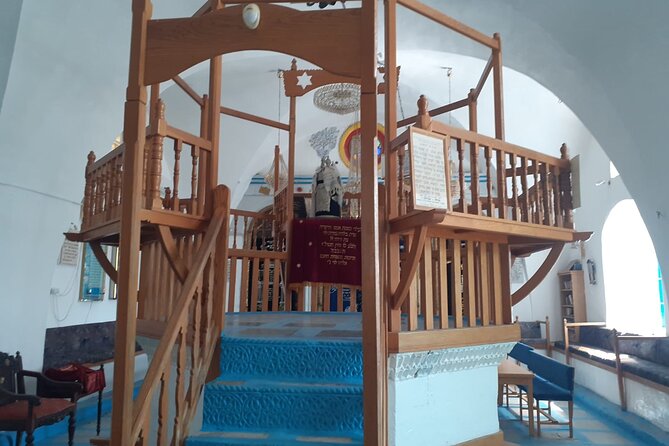
A key part of the walk is visiting several historic synagogues. The important detail is not simply that these buildings are old. You learn which rabbis prayed there and why those figures remain tied to Safed’s religious identity.
For me, this is where the abstract subject becomes easier to grasp. A teaching can feel distant when you hear it in a classroom. At a synagogue connected to a particular rabbi, the story has a physical point of reference.
The route highlights sites linked with Rabbi Moshe Cordovero, the Alkabetz, and Isaac Luria. Each name represents a different part of Safed’s Kabbalistic story, and the guide explains the relevant ideas at the place where they are most meaningful.
The information provided does not promise entry to every building, nor does it give a fixed list of synagogue names. Access can depend on local conditions and religious practice. You should book this for the interpretation of the sites, not on the assumption that every interior will be open for extended visits.
That distinction helps set fair expectations. The value is in understanding the connection between place and teaching. If your priority is photographing a long list of interiors, you may prefer a broader city sightseeing tour.
More walking tours:
- Jerusalem: Guided Walking Tour of the Old City
★ 4.7 · 386 reviews - Walking Tour of Akko (Half-day)
★ 5.0 · 84 reviews - All Inclusive Walking Tour Old City Jerusalem
★ 5.0 · 83 reviews - Tel Aviv: Jaffa Half-Day Walking Tour
★ 4.5 · 70 reviews
From mystical teaching to everyday Jewish law
One of the most useful features is the inclusion of Rabbi Yosef Karo. Karo wrote the Shulchan Aruch, the major code of Jewish religious law. His presence in the story gives the walk a second track alongside Kabbalah.
You learn that Safed shaped more than mystical speculation. The city was also home to a figure whose legal writing guided Jewish practice on a global scale. This makes the walk more useful for people who are curious about Judaism as a living tradition, not only about secret teachings from the past.
I would pay close attention when the guide explains how each sage affected Judaism in practical terms. The tour description specifically promises that connection. Instead of leaving each rabbi as a name on a plaque, the walk shows how his teaching influenced prayer, law, custom, or later religious life.
This is also a good reason to bring questions. Kabbalah is often presented in broad, vague terms. A direct question can help you understand what belongs to Kabbalistic tradition, what belongs to Jewish law, and where the two streams meet.
What the 15-person limit means
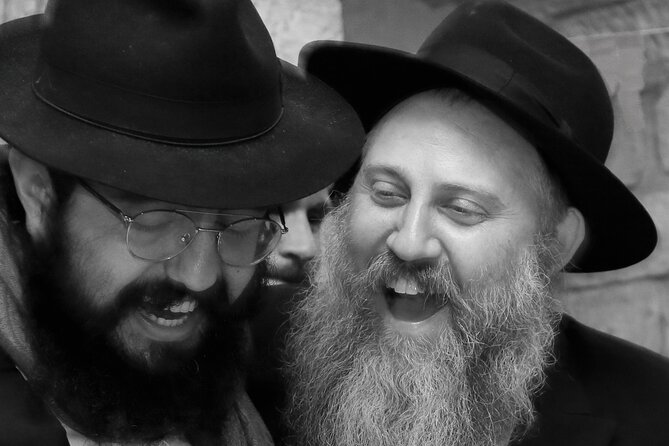
The maximum group size is 15 people. That is small enough to make questions realistic, especially on a subject that benefits from conversation.
A small group also helps you stay connected to the guide as you move through Safed. You are less likely to lose the thread of the explanation than you might in a large crowd. Rabbi Shmuel’s reported patience is especially valuable in this format.
The tradeoff is that the experience remains a group activity. You will share the guide’s attention, and the pace will reflect the needs of the whole party. If you already have a strong background in Kabbalah, you may want to ask focused questions early so the walk reaches the subjects that interest you most.
Group discounts are available, which may improve the price for families or organized parties. The standard cost is $45 per person. For a 90-minute walk, that is not the cheapest way to see Safed, but the price includes a specialized guide and a subject that general city tours may cover only briefly.
I see the value most clearly if you are genuinely interested in Jewish history, religious ideas, or Safed’s sacred identity. If you simply want a short orientation to the old city, the price may feel high compared with walking around on your own.
Choosing the right departure time
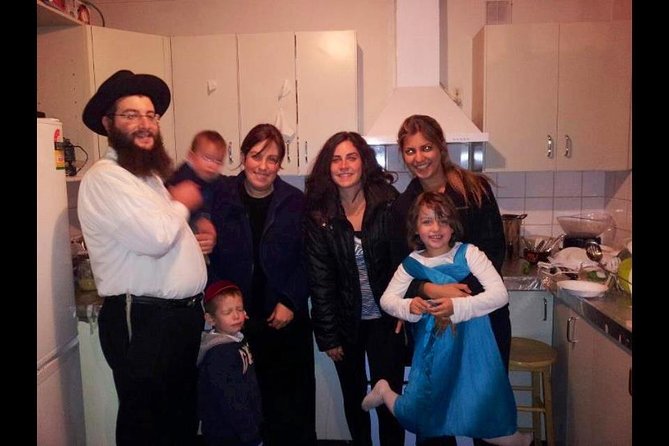
The regular operating schedule is one departure per day from Sunday through Thursday at 1:30 p.m. On Friday, the listed departure is 11 a.m. Other times can be arranged in advance if available.
That schedule affects how you plan the rest of your day. A 1:30 p.m. start leaves your morning free, while the Friday departure gives you an earlier activity before the day’s schedule changes. Since the experience involves religious sites, timing can matter, particularly around Friday and Jewish observance.
The supplied opening information also gives a Monday time of 1:30 p.m. to 2:30 p.m., which does not fully match the stated 1 hour 30 minute duration. I would treat the advertised time as approximate and confirm the exact start and finish after booking.
The activity is commonly booked about 17 days ahead. That is a useful planning clue, especially if you have fixed dates in Safed. Confirmation is provided at booking, so check the meeting point, start time, and any special instructions before setting out.
Who will appreciate this walk most
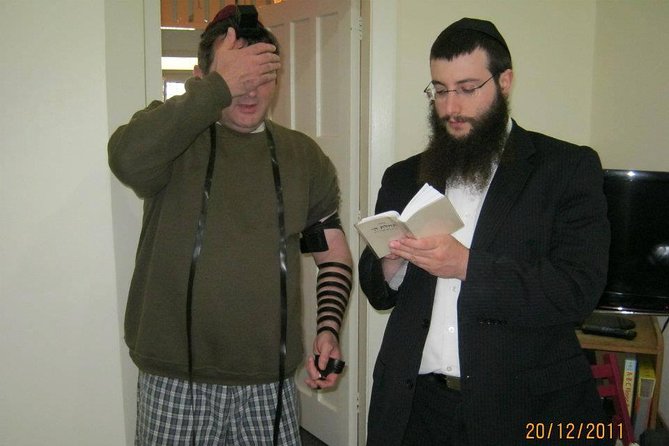
I would recommend the experience to you if you fit one or more of these descriptions:
- You want to understand why Safed is one of Judaism’s four sacred cities.
- You are curious about Kabbalah but prefer a guided introduction to studying alone.
- You want to connect historic synagogues with the rabbis who used them.
- You appreciate being able to ask questions during a tour.
- You are interested in the link between mystical teaching and Jewish religious law.
- You prefer a short, focused walk rather than a full-day excursion.
Families can also find it worthwhile, particularly if adults and older children are comfortable with religious history. One particularly favorable account describes Rabbi Shmuel working patiently with a mother and daughter, helping them learn about Safed, Kabbalah, and the city’s place in Jewish history.
You may want a different experience if your main interests are food, art galleries, shopping, or sweeping views. The focus here is intellectual and religious. Safed provides the setting, but the teaching is the main event.
Access, transport, and practical comfort
The activity is near public transportation, and service animals are allowed. Most people can participate, although the walk is on foot through Safed’s old city.
You do not need to arrange a private vehicle as part of the activity. The walk begins and ends at Kikar HaMeginim, which keeps the transportation plan straightforward. If you are coming from outside Safed, allow enough time to reach the meeting point before 1:30 p.m., or before 11 a.m. on Friday.
The listing does not provide a detailed route, elevation profile, or step-free access information. If you have mobility concerns, contact the provider before booking and ask about the exact walking conditions.
Bring your questions. That may be the most useful preparation. The tour is designed for discussion, and you will get more from it if you arrive with something you want to understand about Kabbalah, Safed’s rabbis, or the Shulchan Aruch.
Is $45 a fair price?
At $45 per person, this is a specialized experience rather than a basic orientation walk. You are paying for a small group, a scholar-led presentation, and access to a carefully chosen religious story that can be hard to piece together independently.
The cost makes more sense if you would otherwise spend time trying to identify the synagogues and understand the rabbis connected with them. A city map can show you where to walk, but it cannot easily explain why Rabbi Moshe Cordovero, the Alkabetz, Isaac Luria, and Rabbi Yosef Karo changed Safed’s place in Jewish life.
The current score is 5 out of 5 from 23 assessments, with 100 percent recommending the experience. The most praised qualities are the guide’s patience, friendly manner, strong command of the subject, and ability to explain both Safed and Kabbalah.
That record does not remove the need to choose carefully. A short religious heritage walk will not satisfy everyone, and the price may not suit a visitor who wants only general sightseeing. For the right audience, though, the focused instruction gives the fee a clear purpose.
Cancellation and booking flexibility
Free cancellation is available if you cancel at least 24 hours before the start time. You will receive a full refund under that condition.
Cancellations made less than 24 hours before the start are not refunded, and changes made within that period are not accepted. Cutoff times use local time in Israel, so keep that in mind if you are arranging plans from another time zone.
The experience can be booked with a mobile ticket, and confirmation is sent at the time of booking. I would save the meeting details on your phone and double-check the departure time, particularly if you have arranged an alternative start.
Should you book the Kabbalah Heritage Walk?
Book it if you want Safed explained through its rabbis, sacred sites, and religious ideas rather than treated as a quick photo stop. Rabbi Shmuel Kopel’s patient teaching, the small group, and the chance to ask questions are the strongest reasons to go.
I would especially choose it for a first visit to Safed when you want context for the old synagogues and the city’s place in Judaism. I would skip it if you want a broad sightseeing tour, a long route, or a program centered on secular attractions.
At $45, the walk earns its price through focus. Confirm the Safed meeting point and exact time, arrive ready to listen, and bring questions. If Kabbalah and Jewish history are on your list, this is a concise and thoughtful way to meet Safed’s spiritual past.
FAQ
Where does the Kabbalah Heritage Walk take place?
The walk takes place in Safed, also called Zefat or Tsfat, Israel.
Where do I meet the guide?
The meeting point is Kikar HaMeginim in Safed.
Where does the activity finish?
The walk ends back at the meeting point.
How long does the walk last?
The stated duration is approximately 1 hour 30 minutes.
What time does the tour usually start?
It operates once daily at 1:30 p.m. from Sunday through Thursday and at 11 a.m. on Friday.
Can I request another departure time?
Other times may be coordinated in advance, subject to availability.
Who leads the experience?
The experience provider is Rabbi Shmuel Kopel, and the walk is led by a Talmudic scholar.
How large is the group?
The group has a maximum of 15 people.
How much does the walk cost?
The listed price is $45 per person, and group discounts are available.
Can I cancel for a refund?
Yes. You can cancel at least 24 hours before the start time for a full refund. Cancellations and changes made less than 24 hours before the start are not accepted for a refund.
Just added around Israel
- 4-Day Christian Israel Tour from Tel Aviv★ 5.0 · 3 reviews
- Palm Sunday in Jerusalem: Mass at Bethpage and Via Dolorosa Procession with Transport from Tel Aviv★ 5.0 · 3 reviews
- Private Walking Tour in Jerusalem’s Old City★ 5.0 · 3 reviews
- jerusalem classic tour★ 5.0 · 3 reviews
- Jerusalem and the Dead Sea★ 5.0 · 3 reviews
- Jerusalem of 3 Religions in Russian★ 4.4 · 3 reviews
- Jerusalem Running Tour-Experience the unique vibes of Jerusalem in your sneakers★ 5.0 · 3 reviews
- Christian Jerusalem in Russian★ 5.0 · 3 reviews
Historical Tours, compared.

Jerusalem Yad Vashem Holocaust History Museum Tour
Read our review →

Browse the lists this tour appears in